Lincoln Laboratory researchers are using AI to get a better picture of the atmospheric layer closest to Earth's surface. Their techniques could improve weather and drought prediction.
A communication system whose users reveal only a few verified aspects of their identity can empower less confident participants to speak up, researchers report.
The fellowship will incubate early-career science journalists, providing them with a year of skill-building freelance experience and dedicated mentorship.
MIT Center for Transportation and Logistics Director Matthias Winkenbach uses AI to make vehicle routing more efficient and adaptable for unexpected events.
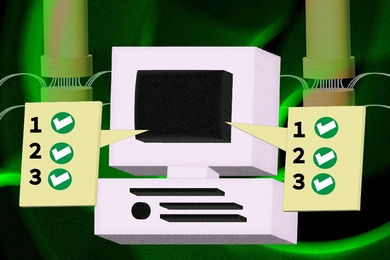
A CSAIL study highlights why it is so challenging to program a quantum computer to run a quantum algorithm, and offers a conceptual model for a more user-friendly quantum computer.
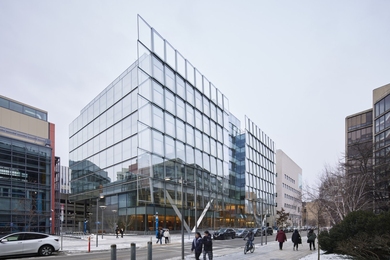
The MIT Schwarzman College of Computing building will form a new cluster of connectivity across a spectrum of disciplines in computing and artificial intelligence.
By providing plausible label maps for one medical image, the Tyche machine-learning model could help clinicians and researchers capture crucial information.
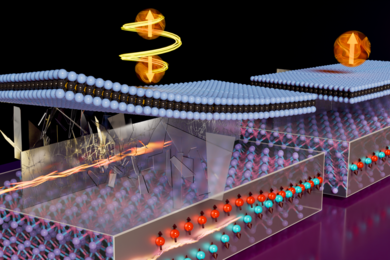
MIT scientists have tackled key obstacles to bringing 2D magnetic materials into practical use, setting the stage for the next generation of energy-efficient computers.