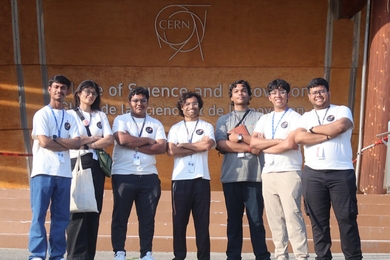
Physics PhD student Manu Srivastava helped high school students in India develop a test that could contribute to one of the world’s largest neutrino experiments.
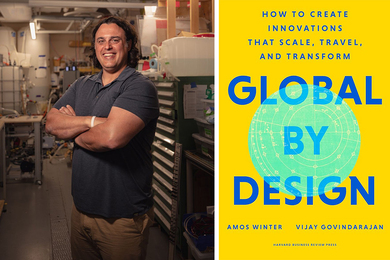
A new book coauthored by Professor Amos Winter asserts that, to solve major challenges and deliver products of value to consumers in both developed and emerging markets, innovators must think and act globally.
In its first year, INM has worked across research, workforce development, and industry engagement to help accelerate new manufacturing technologies and their real-world deployment.
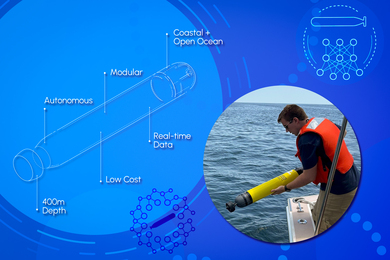
Founded by Ravi Pappu SM ’95, PhD ’01, Apeiron Labs is deploying low-cost ocean sensors to improve storm forecasts, detect endangered species, and more.
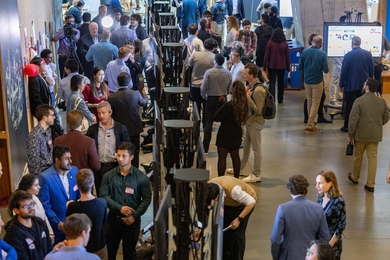
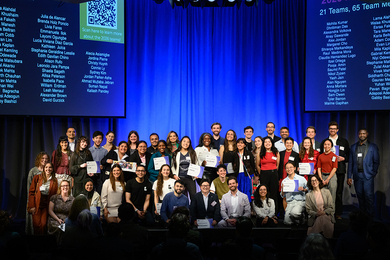
At the 25th IDEAS Social Innovation Incubator Showcase and Awards, 21 student-led ventures joined 1,200 alumni-led ventures tackling the world’s most pressing problems through social entrepreneurship.