Search Stories
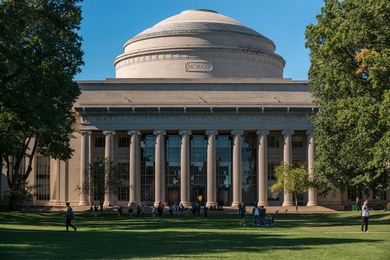
Institute launches the MIT Intelligence Quest
New Institute-wide initiative will advance human and machine intelligence research.

Bots that talk more like people
AI platform allows chatbots to draw on robust language database to better navigate human conversation.
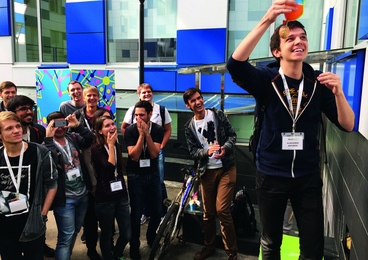
MIT Skoltech Program calls for seed fund proposals
Funding is available to MIT principal investigators for innovative projects that benefit Skoltech or the mission of the Skolkovo Foundation.
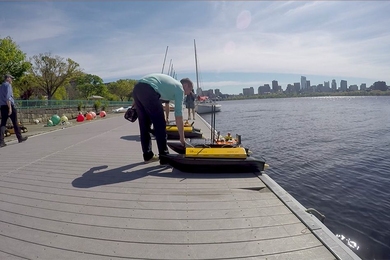
Unlocking marine mysteries with artificial intelligence
Students put their AI software for underwater vehicles to the test on the Charles River.
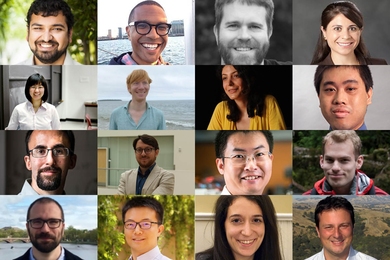
School of Engineering welcomes new faculty
Sixteen new professors join seven of the school’s departments.
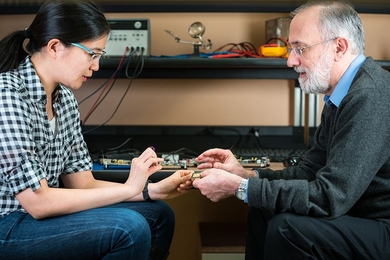
Building the hardware for the next generation of artificial intelligence
Class taught by Vivienne Sze and Joel Emer brings together traditionally separate disciplines for advances in deep learning.

How badly do you want something? Babies can tell
Ten-month-old infants determine the value of a goal from how hard someone works to achieve it.
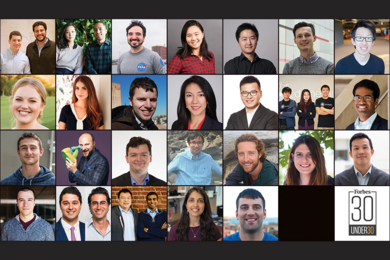
MIT brainpower highlighted in Forbes’ 30 Under 30 lists for 2018
Forbes calls this year's 30 Under 30 lists an "encyclopedia of creative disruption."

STEX25 strengthens collaboration between startups and industry
MIT Startup Exchange accelerator puts focus on establishing profitable business connections.
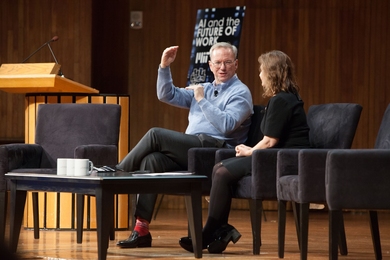
Summit discusses impact of machines on jobs, productivity, and the global economy
Two-day “AI and the Future of Work” summit at MIT focused on the artificial intelligence revolution and the workplace.

Artificial intelligence aids materials fabrication
System could pore through millions of research papers to extract “recipes” for producing materials.

Remembering and honoring the life of undergraduate Henoch Argaw
A motivated self-learner, Argaw found joy by teaching and mentoring others.

Can artificial intelligence learn to scare us?
With Shelley, the world’s first artificial intelligence-human horror story collaboration, MIT researchers aim for goosebumps.
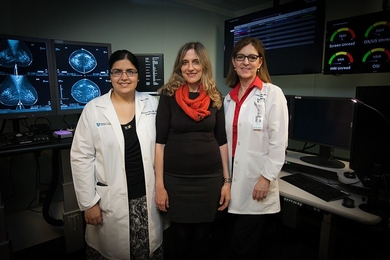
Using artificial intelligence to improve early breast cancer detection
Model developed at MIT’s Computer Science and Artificial Intelligence Laboratory could reduce false positives and unnecessary surgeries.