Akorfa Dagadu, an MIT senior in chemical engineering, learns the importance of community-engaged research and innovation through the PKG Center for Social Impact.
Associate Professor Daniel “Danny” Hidalgo, a political scientist who studies elections, democracy, and political behavior in Latin America, is honored as “Committed to Caring” for graduate student mentorship.
President Sally Kornbluth spoke in front of a packed crowd about growing challenges to the U.S. research ecosystem as funding for America’s top research universities becomes increasingly strained.
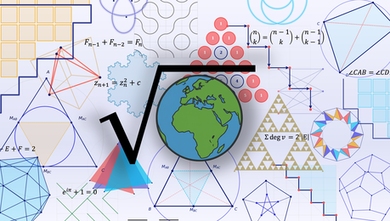
New dataset of 30,000-plus competition math problems from 47 countries gives AI researchers a harder test — and students worldwide a better training ground.
In “Priority Technologies,” MIT faculty examine key areas of innovation that can drive American prosperity and security — now and in the decades ahead.
This award-winning startup with roots at the MIT Energy Initiative is developing lightweight, flexible, high-efficiency solar energy films designed to be used on roofs, walls, and any curved surface.
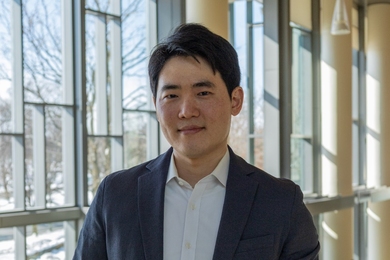
Sojun Park, a postdoc at the Center for International Studies, has learned much from his research on intellectual property as well as his interactions with students and mentors at MIT.
At MIT, former U.S. ambassador to China Nicholas Burns highlights climate change as an area for diplomatic engagement, while exploring areas including China's emphasis on STEM education.