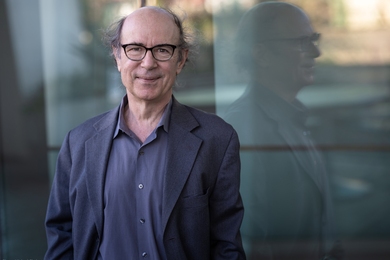
Frank Wilczek receives 2022 Templeton Prize
The MIT physicist and author is recognized for his examination into the fundamental laws of nature.
The MIT physicist and author is recognized for his examination into the fundamental laws of nature.
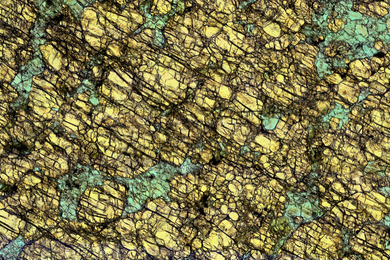
New findings may help explain how Earth’s crust forms, the location of ore deposits, and why some volcanoes are more explosive than others.
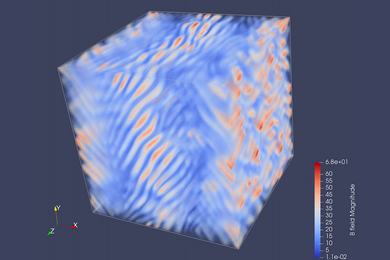
By studying the dynamics of plasma turbulence, MIT researchers are helping to solve one of the mysteries of the origins of cosmological magnetic fields.
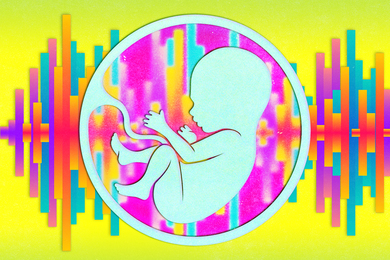
Modeling study suggests that the muffled environment in utero primes the brain’s ability to interpret some types of sound.
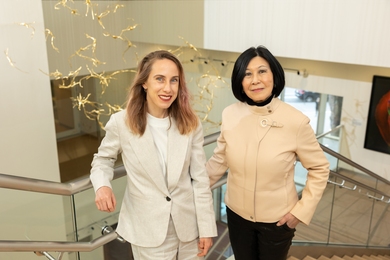
K. Lisa Yang Brain-Body Center to investigate the brain’s complex relationship with other body systems.
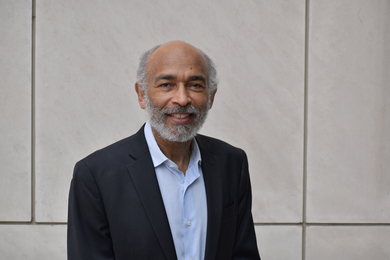
Brown and three other scientists recognized for advancing statistical, theoretical analyses of neuroscience data.
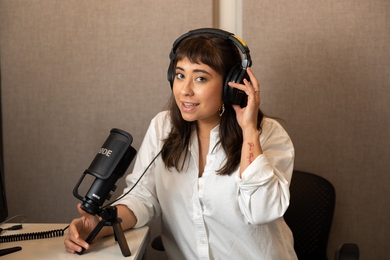
Postbac Jessica Chomik-Morales hopes to inspire the next generation of Spanish-speaking scientists with her podcast, “Mi Ultima Neurona.”
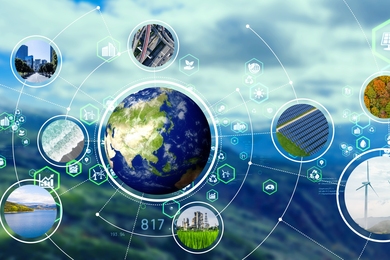
Twenty winning projects will link industry member priorities with research groups across campus to develop scalable climate solutions.
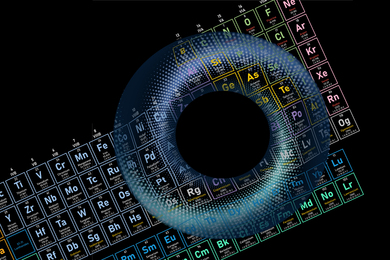
Searchable tool reveals more than 90,000 known materials with electronic properties that remain unperturbed in the face of disruption.
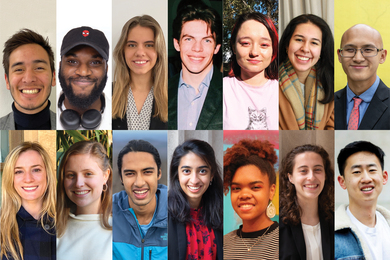
Fulbright US Student Program funds opportunities for research, graduate study, and teaching abroad.
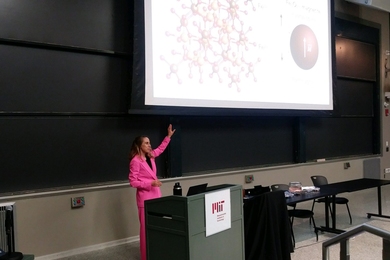
Professor Polina Anikeeva’s innovation in the treatment of neurological disorders highlights the interdisciplinary nature of her field.
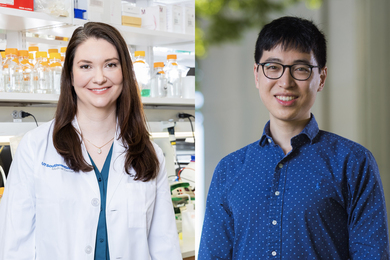
MIT cell biologist and computational neuroscientist recognized for their innovative research contributions.
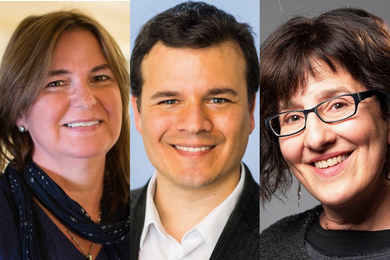
Faculty members Angela Belcher, Pablo Jarillo-Herrero, and Ronitt Rubinfeld elected by peers for outstanding contributions to research.
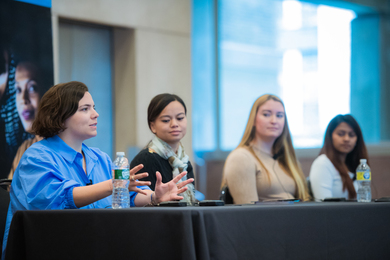
Global Semiconductor Alliance’s Women’s Leadership Initiative highlights career opportunities for women in hard technology.
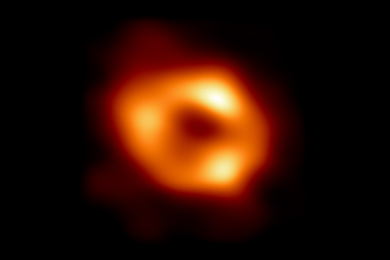
The image reveals a glowing, donut-shaped ring at the Milky Way’s heart.