

Bursting a bubble?
A generally accepted theory explaining the frequent eruptions at Italy’s Stromboli volcano is called into question by new research.


Protein linked to aging may boost memory and learning ability
Discovery could lead to new drugs to fight Alzheimer’s and other neurological diseases.
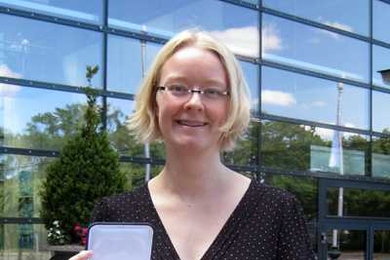
Postdoc awarded Otto Hahn medal of the Max Planck Society
Honored for thesis on neural correlates of visual illusions
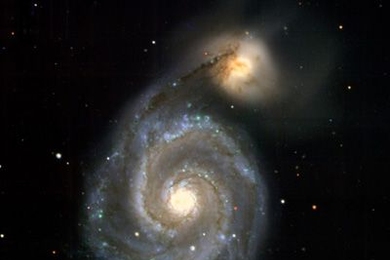
3 Questions: Richard Binzel on astronomers’ powerful new tool
Pan-STARRS, a telescope designed to reveal the ‘unexpected surprises’ in our solar system, including possible threats to Earth, just became fully operational.

The aerosols conundrum
Research shows that aerosols not only cool, but also heat the planet — a finding that may cloud the validity of climate-change models.
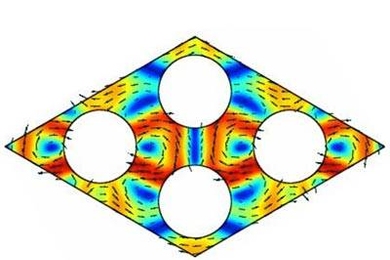
Explained: Phonons
When trying to control the way heat moves through solids, it is often useful to think of it as a flow of particles.

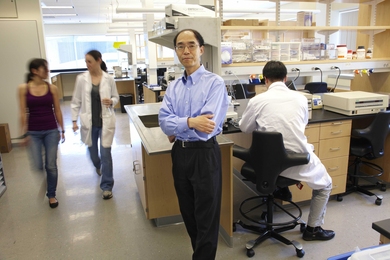

MIT’s Koch Institute in strategic partnership with Ortho-McNeil-Janssen Pharmaceuticals
Organizations will collaborate in multiple areas of oncology research and technology development.
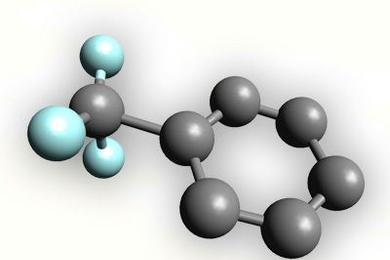
An easier way to synthesize new drug candidates
MIT chemists’ answer to long-standing problem could have a big impact on pharmaceutical business.

Li-Huei Tsai receives Glenn Foundation Award
Picower Institute director awarded grant for research in biological mechanisms of aging