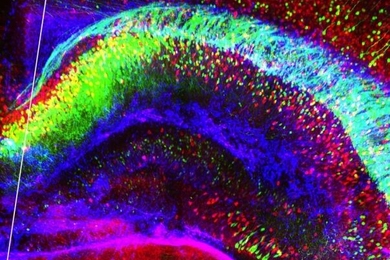
Picower and MIT scientists awarded BRAIN Initiative grants
Researchers will advance our understanding of the human mind and discover new ways to treat, prevent, and cure neurological disorders.
Researchers will advance our understanding of the human mind and discover new ways to treat, prevent, and cure neurological disorders.
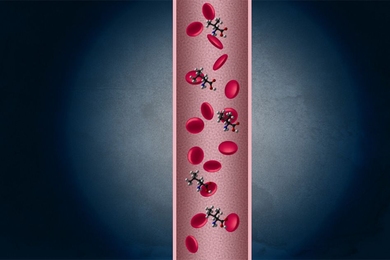
Patients show boost in certain amino acids years before diagnosis of pancreatic cancer.

Some 70 MIT students, researchers, and alumni marched in the largest climate rally in history.

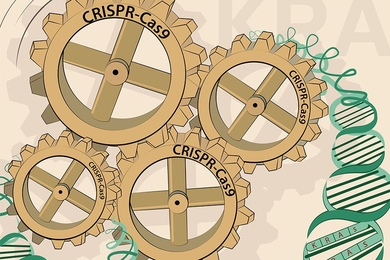
Time-saving tool takes advantage of CRISPR gene-editing technology.
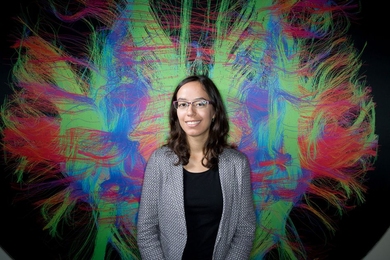
Sofia Essayan-Perez is inspired by those around her to teach in Nicaragua, conduct neuroscience research.
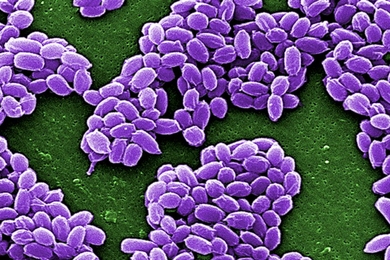
With some tinkering, a deadly protein becomes an efficient carrier for antibody drugs.
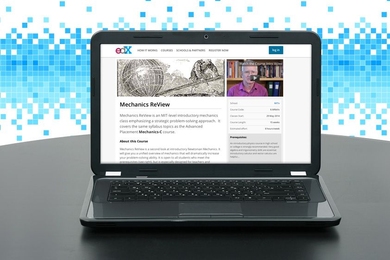
Detailed quantitative study of learning online shows success, even among those with least preparation.

Math Prize for Girls offers inspiration and mentorship to participants on MIT’s campus.
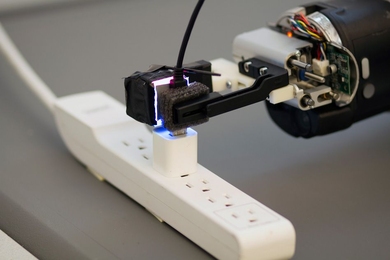
Equipped with a novel optical sensor, a robot grasps a USB plug and inserts it into a USB port.

Alpha Magnetic Spectrometer detects positrons in cosmic ray flux that hint at dark matter's origin.
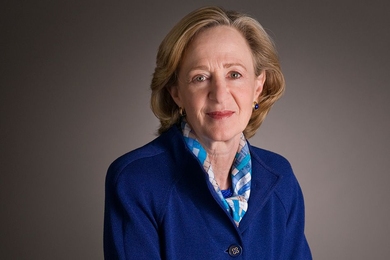
Former MIT president to shape development of new online learning initiative.

Alumni's software uses hacking tricks to catch vulnerabilities on websites before they're exploited.
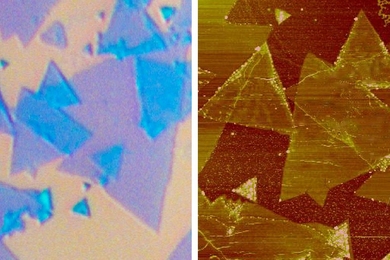
A promising light source for optoelectronic chips can be tuned to different frequencies.
