Lighting the path
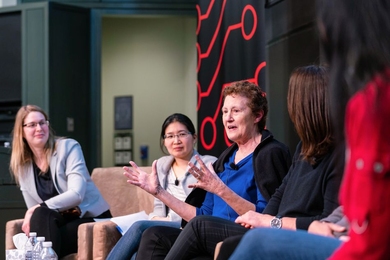
Luminaries in computing and cognition discuss their journeys and share their insights.
Luminaries in computing and cognition discuss their journeys and share their insights.
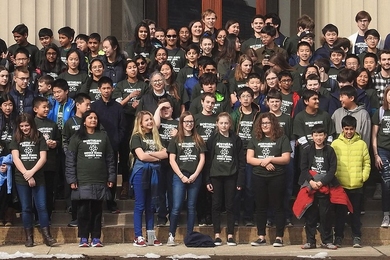
More than 100 middle school students compete at the fourth Northeast Regional Science Bowl, hosted by students at MIT and sponsored by the School of Science.
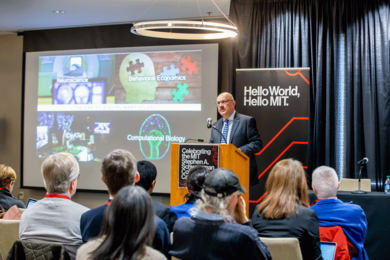
Conference celebrating new MIT Schwarzman College of Computing explores the changing face of higher ed.
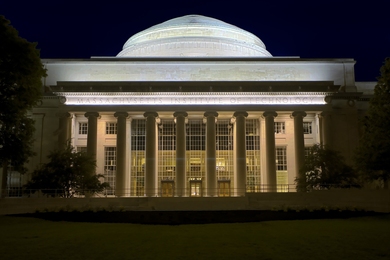
Institute ranks within the top 2 in 17 of 48 subject areas.
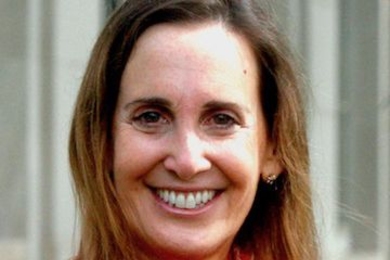
The International Society for Computational Biology Senior Scientist Award recognizes highly significant, long-term career achievement.
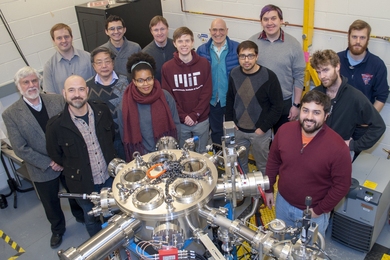
Award will support educational and research efforts in high-energy-density physics at MIT and four academic research partners.

A math professor gives his undergraduates a frustrating combinatorics problem; their solution will soon be published in a leading journal.
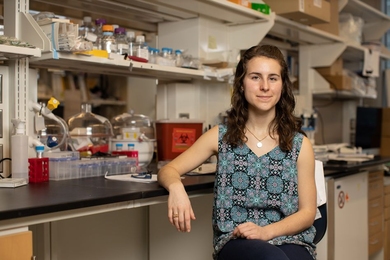
When senior Julia Ginder isn’t investigating the mystery of her own allergies, she’s volunteering to help young people reach their goals.
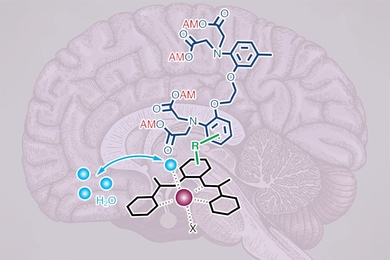
Noninvasive measurements of calcium could reveal neurons’ roles in different types of behavior.
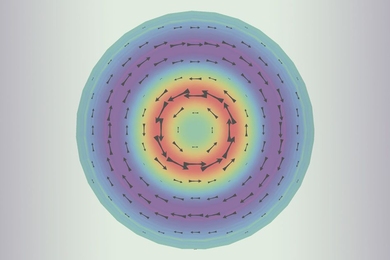
The particle’s core withstands pressures higher than those inside a neutron star, according to a new study.
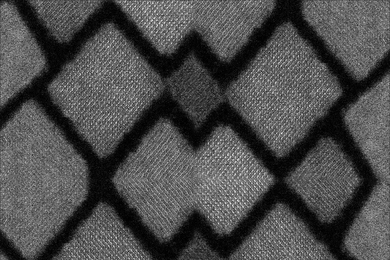
System that generates coherent single particles of light could help pave the way for quantum information processors or communications.
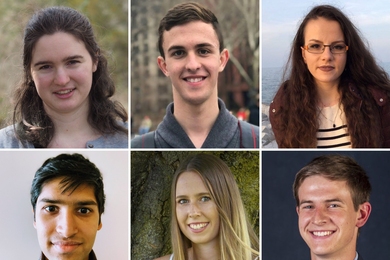
Undergraduate research projects show how students are advancing research in human and artificial intelligence, and applying intelligence tools to other disciplines.
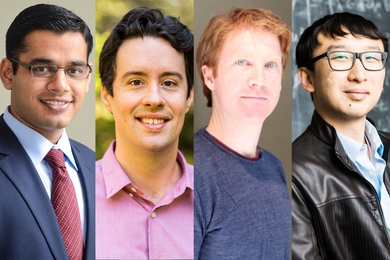
Nikhil Agarwal, Daniel Harlow, Andrew Lawrie, and Yufei Zhao receive early-career fellowships.
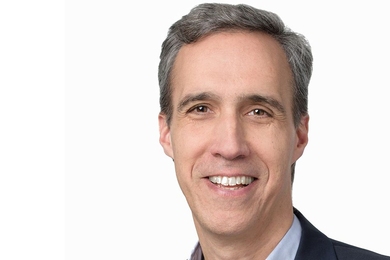
Alumnus and founding dean of Cornell Tech in New York City will return to MIT this summer.
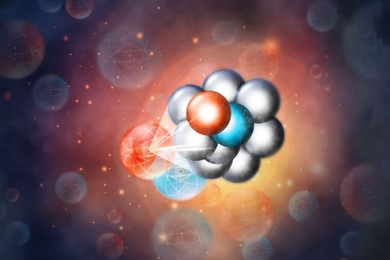
Number of proton-neutron pairs determine how fast the particles move, results suggest.