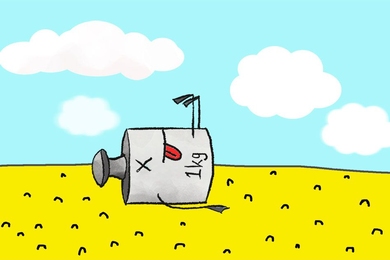
The kilo is dead. Long live the kilo!
An old artifact kept in a vault outside Paris is no longer the standard for the kilogram. Now, nature itself provides the definition.
An old artifact kept in a vault outside Paris is no longer the standard for the kilogram. Now, nature itself provides the definition.
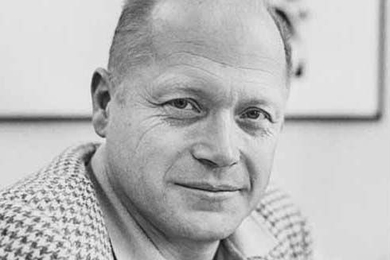
A theoretical meteorology pioneer, Phillips showed that numerical models could predict weather and developed the first general circulation model of Earth’s climate.
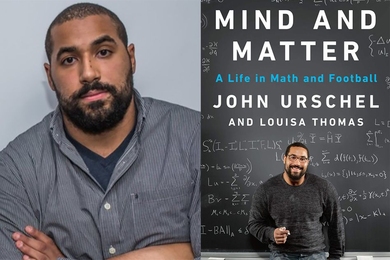
“Being capable of thinking quantitatively — it’s the single most important thing,” says the former NFL lineman.
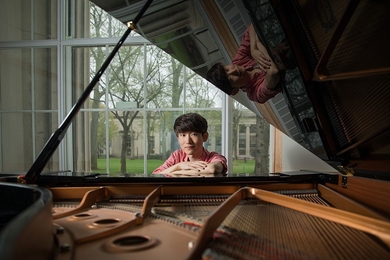
At the piano and in the lab, double major Tony Zhang is driven by curiosity and creativity.

Region dominates the transfer of heat from the equator to the poles in both hemispheres, challenging the "great conveyor belt" model.
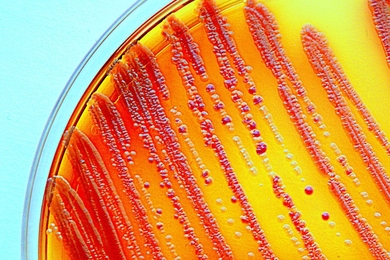
Study finds that competition between bacterial species can be upended when conditions deteriorate.
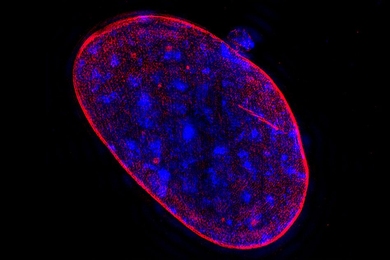
A study of prostate cancer finds “aneuploid” tumors are more likely to be lethal than tumors with normal chromosome numbers.
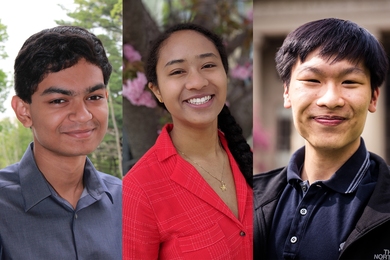
Three MIT undergraduates honored for their academic achievements.
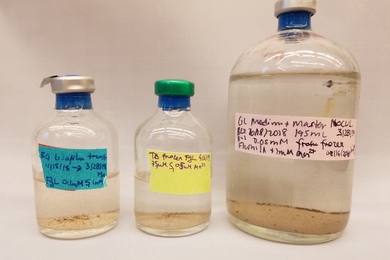
New research demonstrates how to make the rock dolomite, preserving fine microbial textures in marine environments and solving the dolomite problem.
Professor of physics will use U.S. Department of Defense fellowship to study the quantum world in search of new states of matter.
After nearly 60 years of teaching at MIT, this math professor surpasses 10 million views on OCW, earns top reviews for his teaching style, and publishes his 12th book.
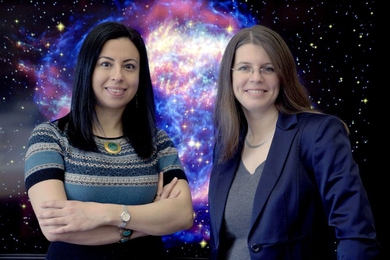
Instead of ballooning into spheres, as once thought, early supernovae ejected jets that may have seeded new stars.
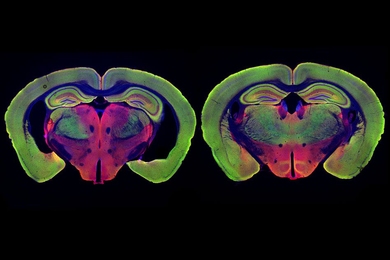
New findings help explain the surprising discovery that exposure to flickering light reduces amyloid plaques in mice.
Convergence research at MIT and beyond seeks new solutions for global challenges.

Results may help researchers interpret ancient monsoon variations, predict future activity in the face of climate change.