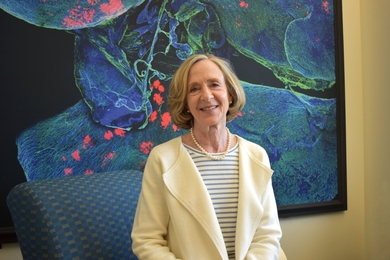
“The Age of Living Machines” honored by the American Institute of Physics
Author Susan Hockfield, MIT president emerita and professor of neuroscience, receives 2020 Science Communication Award.
Author Susan Hockfield, MIT president emerita and professor of neuroscience, receives 2020 Science Communication Award.
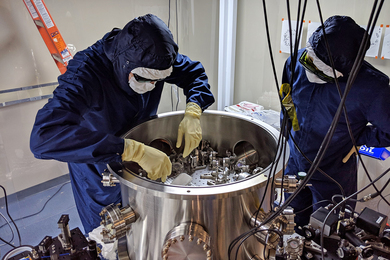
Nicholas Demos, a first-generation college graduate and MathWorks Fellow in MIT’s Kavli Institute, is improving our ability to listen to the cosmos.
Unexpected findings in chemokine receptors once believed to be non-functional open up new fields of scientific inquiry.
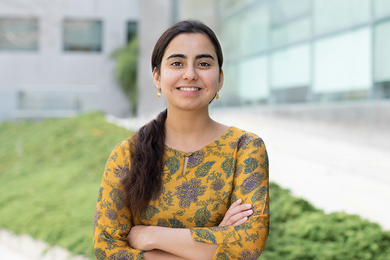
Gurrein Madan, brain and cognitive sciences graduate student and MathWorks Fellow, studies gut–brain signaling with implications for human health.
Research on mice suggests aging affects a brain circuit critical for learning to make some types of decisions.
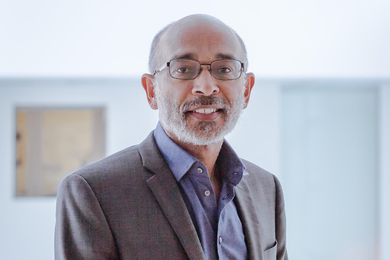
Award cites major contributions to statistical analysis of brain activity and advancing the neuroscience of anesthesia.
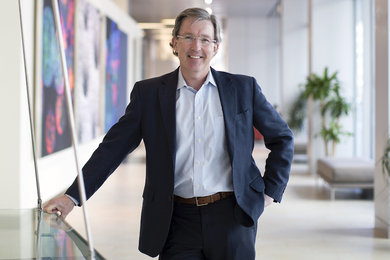
A search committee chaired by Institute Professor Phillip Sharp will work to identify a new director for MIT’s pioneering cancer research center.
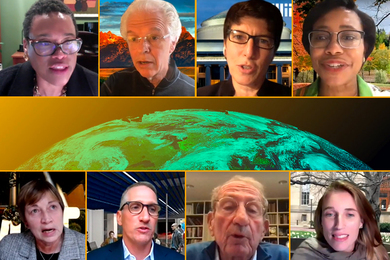
An online symposium explores roles for research universities and outlines the Institute’s efforts to be a testbed for research and policy innovations.
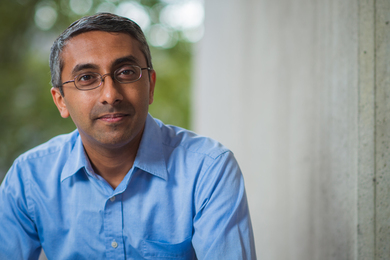
By developing novel electrochemical reactions, he hopes to find new ways to generate energy and reduce greenhouse gases.
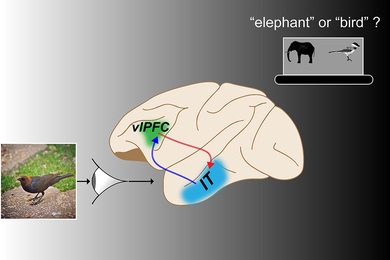
Recurrent processing via prefrontal cortex, necessary for quick visual object processing in primates, provides a key insight for developing brain-like artificial intelligence.
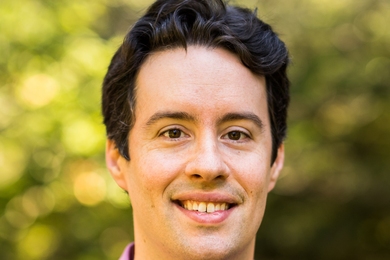
Physics professor receives one of the most prestigious nongovernmental awards for early-career scientists.
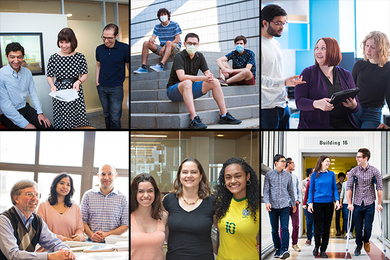
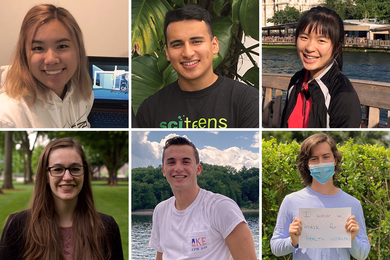
Despite the disruption caused by the pandemic, MIT students have carved out meaningful hands-on experiences.
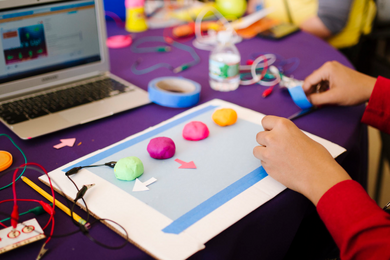
Website created in response to Covid-19 yields unexpected insights into what’s possible for reaching learners at a distance.
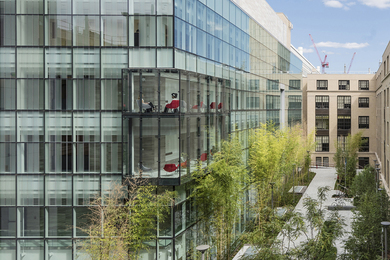
Optical communication device and electrical equipment manufacturing company to advise, collaborate with MIT researchers.