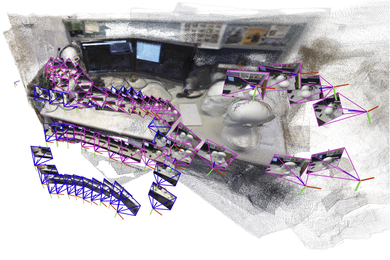
Teaching robots to map large environments
A new approach developed at MIT could help a search-and-rescue robot navigate an unpredictable environment by rapidly generating an accurate map of its surroundings.
A new approach developed at MIT could help a search-and-rescue robot navigate an unpredictable environment by rapidly generating an accurate map of its surroundings.
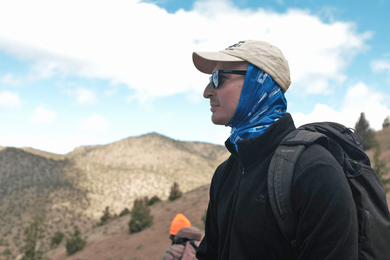
MIT PhD student and CSAIL researcher Justin Kay describes his work combining AI and computer vision systems to monitor the ecosystems that support our planet.

The FSNet system, developed at MIT, could help power grid operators rapidly find feasible solutions for optimizing the flow of electricity.
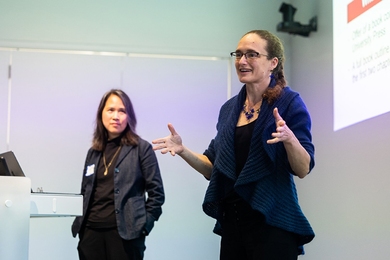
A presidential initiative, the MIT Human Insight Collaborative is supporting new interdisciplinary initiatives and projects across the Institute.
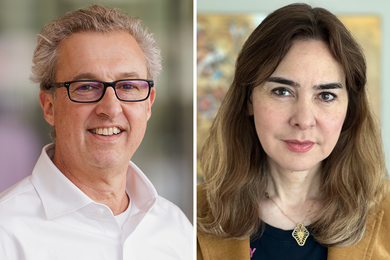
Professors Facundo Batista and Dina Katabi, along with three additional MIT alumni, are honored for their outstanding professional achievement and commitment to service.

Researchers find that design elements of data visualizations influence viewers’ assumptions about the source of the information and its trustworthiness.

How the MIT-IBM Watson AI Lab is shaping AI-sociotechnical systems for the future.
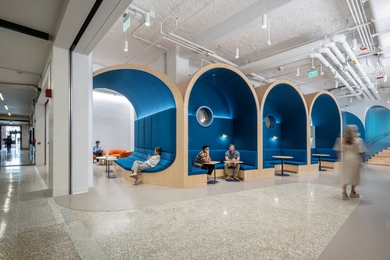
The Undergraduate Advising Center’s new home in Building 11 creates a bright, welcoming, and functional destination for MIT undergraduate students.
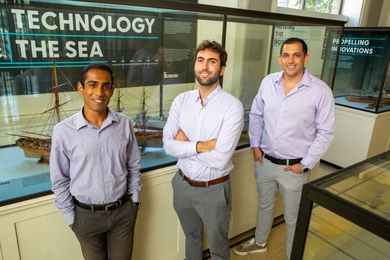
First-of-its-kind handbook serves as a guide for design safety for civilian nuclear ships.
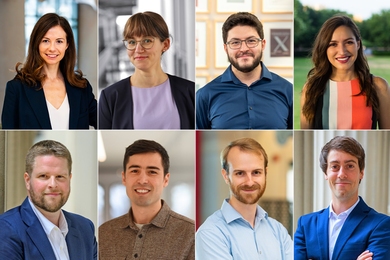
The newest MIT engineering faculty are conducting research across a diverse range of subject areas.
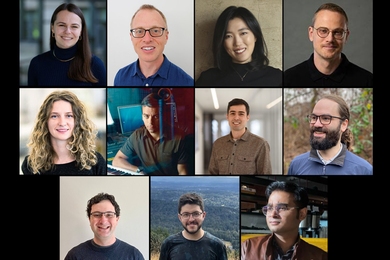
The faculty members occupy core computing and shared positions, bringing varied backgrounds and expertise to the MIT community.

To reduce waste, the Refashion program helps users create outlines for adaptable clothing, such as pants that can be reconfigured into a dress. Each component of these pieces can be replaced, rearranged, or restyled.

After being trained with this technique, vision-language models can better identify a unique item in a new scene.
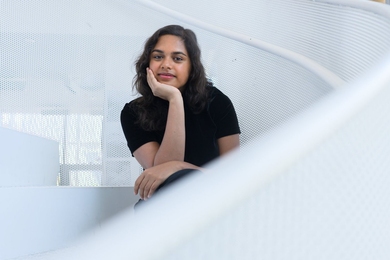
Media Lab PhD student Kimaya Lecamwasam researches how music can shape well-being.
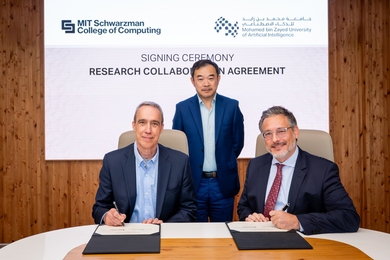
The MIT–MBZUAI Collaborative Research Program will unite faculty and students from both institutions to advance AI and accelerate its use in pressing scientific and societal challenges.