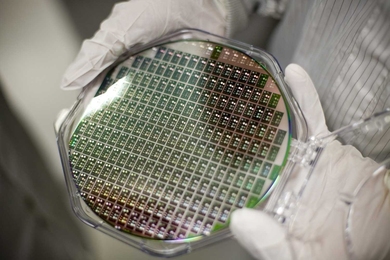
First germanium laser
New results from MIT’s Electronic Materials Research Group bring us closer to computers that use light instead of electricity to move data.
New results from MIT’s Electronic Materials Research Group bring us closer to computers that use light instead of electricity to move data.
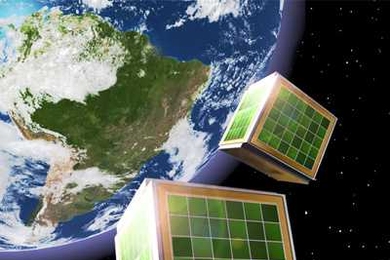
An electric propulsion technology for miniature satellites aims to give them more mobility — and may eventually allow them to take on deep-space missions.

Surprisingly, old-style television sets and computer screens are still in demand — to make new TV sets
Tissue engineers have successfully infected liver cells in the laboratory, allowing a better way to test new drugs.
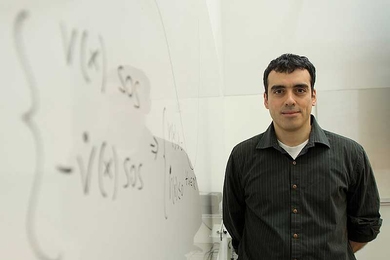
With techniques for translating complicated equations into ‘sums of squares,’ Pablo Parrilo helps make sense of previously insoluble problems.

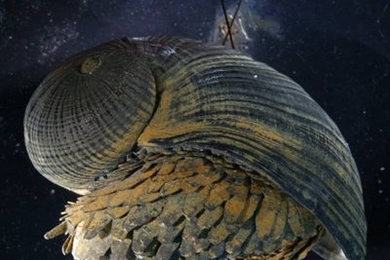
Analysis of unique deep-sea mollusk offers insights into design of armor for soldiers and vehicles.
Jack Wozencraft, considered one of the pioneers of coding theory in the nascent field of information theory, died peacefully August 31, 2009.
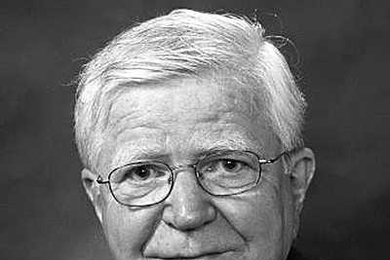
In 1993, scientists achieved the maximum rate for data transmission — only to find they’d been scooped 30 years earlier by an MIT grad student.
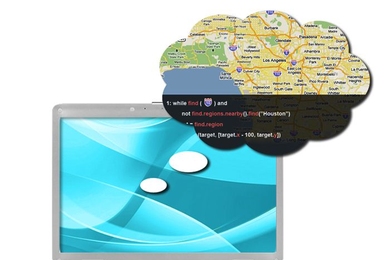
New research could enable computer programming based on screen shots, not just code
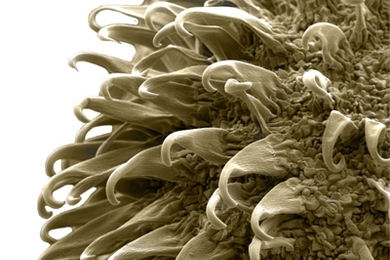
Targeted nanoparticles can home in on damaged vascular tissue and may be used to deliver drugs that help clear arteries
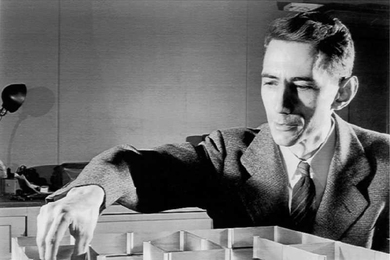
A 1948 paper by Claude Shannon SM ’40, PhD ’40 created the field of information theory — and set its research agenda for the next 50 years.
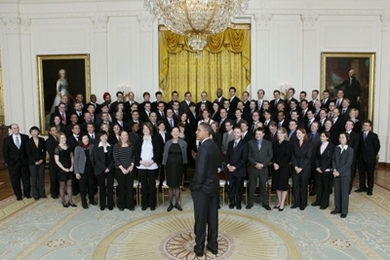
Presidential awards to Buehler, Dawson and Sheffield were presented this week at a White House ceremony