


National Engineers Week: A Q&A with Nancy Leveson
On system safety and the book "Engineering a Safer World:Systems Thinking Applied to Safety"
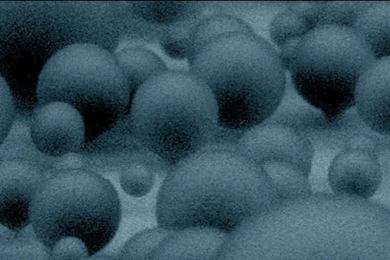
Making droplets drop faster
New nanopatterned surfaces could improve the efficiency of powerplants and desalination systems.

National Engineers Week: A Q&A with Olivier de Weck
On engineering systems and the book Engineering Systems: Meeting Human Needs in a Complex Technological World
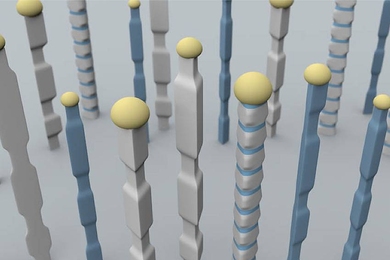
A new twist on nanowires
Technology developed at MIT can control the composition and structure of these tiny wires as they grow.

Companies looking at a more regional approach to manufacturing
China no longer the obvious choice for manufacturing functions of large U.S.-based companies, paper says
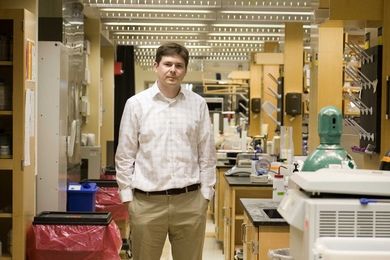
Toying with biological systems
By swapping microbial genes, Chris Voigt designs cells with novel functions.

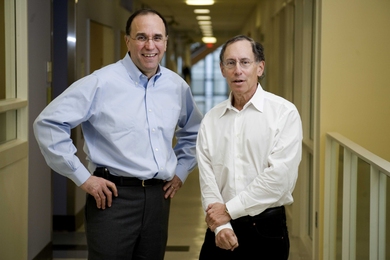
Successful human tests for first wirelessly controlled drug-delivery chip
Clinical trial of the programmable, implantable device shows promise in treating osteoporosis.
Three MIT researchers win Sloan Research Fellowships
Gedik, Matusik and Pathak among 126 researchers selected.
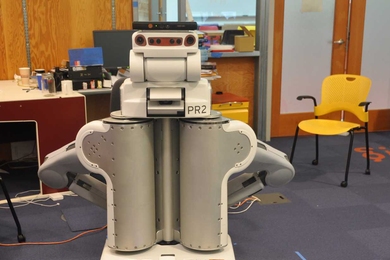
New system allows robots to continuously map their environment
Algorithm to build 3-D maps requires a low-cost camera, no human input.
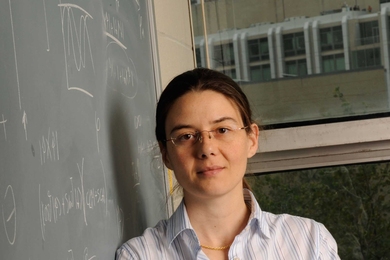
Paola Cappellaro wins AFOSR Young Investigator Award
Department of Nuclear Science and Engineering assistant professor is investigating a bottom-up approach to quantum information devices.
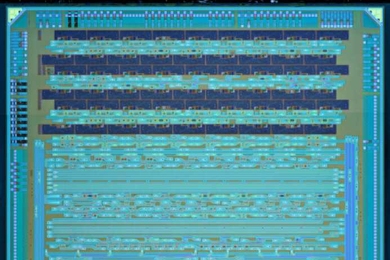
Microchips’ optical future
To keep energy consumption under control, future chips may need to move data using light instead of electricity — and the technical expertise to build them may reside in the United States.