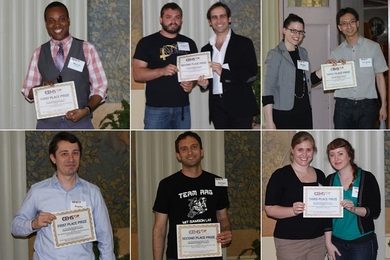
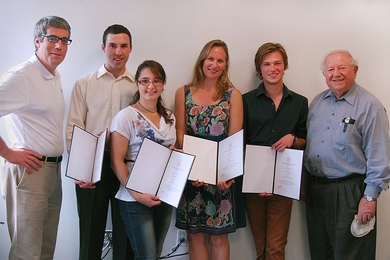
Students recognized for environmental health research
Grads and postdocs presented work at poster session held by Center for Environmental Health Sciences
Grads and postdocs presented work at poster session held by Center for Environmental Health Sciences
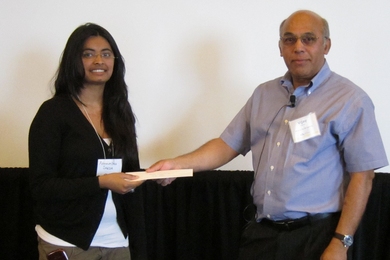
Grand prize in 2013 competition goes to an online exploration tool to aid students in planning their selection of classes.
Sam Shaner recognized for contributing to spirit of entrepreneurship at the Institute
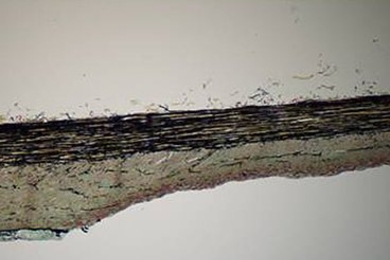
Computational model offers insight into mechanisms of drug-coated balloons.
Selected on the basis of academic or professional achievement, as well as demonstrated leadership potential in their fields
An MIT team that proposed a new, more-practical scheme for using quantum physics to secure data transmission has now demonstrated it experimentally.
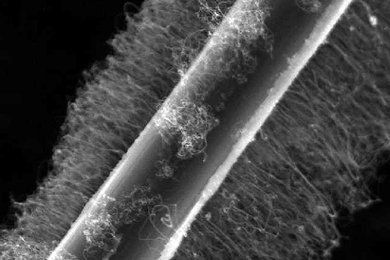
New technique advances carbon-fiber composites.
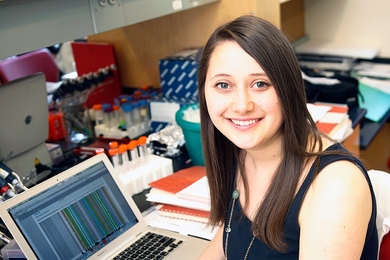
Red blood cells, dengue fever and greenhouses have been on MIT senior Paula Trepman’s mind as she tackles problems in global health care.
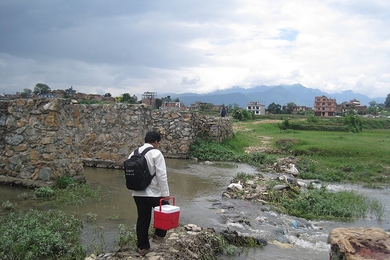
Shawn Wen ‘13, Kevin Cedrone SM ’10 PhD ‘13 and Sumana Shrestha MBA ‘13 to join the Phase I Fellowship Program
Startup accelerator includes eight MIT student teams as well as teams from six international universities.
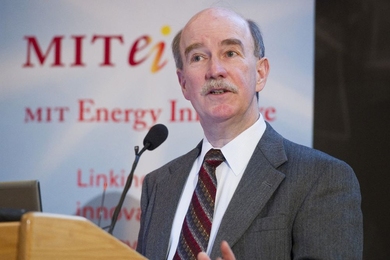
Outgoing director Ernest Moniz confirmed as U.S. Secretary of Energy.
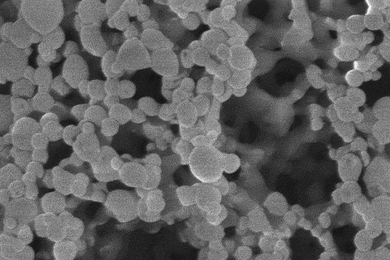
Injectable nanogel can monitor blood-sugar levels and secrete insulin when needed.

In mechanical engineering department’s toy-design class, teams design creative board games, plush toys and puzzles.