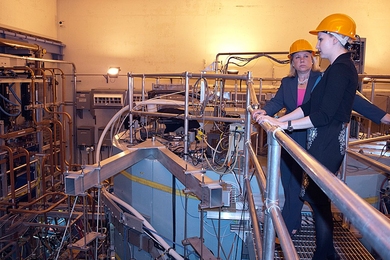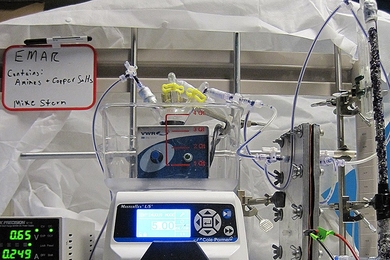
Getting the carbon out of emissions
Proposed method could be more efficient than previous systems and easier to retrofit in existing power plants.
Proposed method could be more efficient than previous systems and easier to retrofit in existing power plants.

The most efficient car-sharing, researchers find, also includes shuttle services.
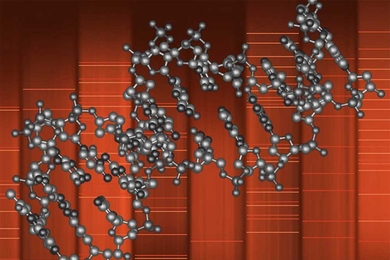
MIT biologists reveal how cells control the direction in which the genome is read.
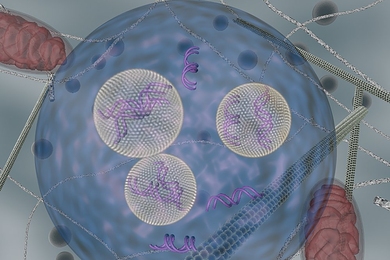
Helping RNA escape from cells’ recycling process could make it easier to shut off disease-causing genes.
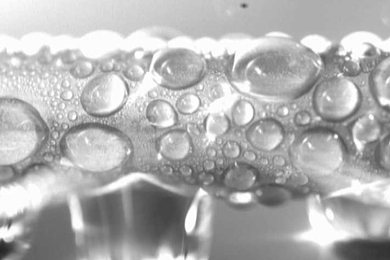
Improved system for power plants uses oil-infused condenser surface to improve heat-transfer properties.
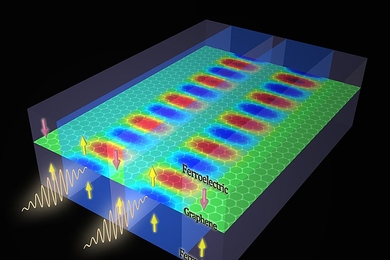
New system uses two-dimensional structures to guide plasmonic waves at ultrashort wavelength, offering a new platform for memory and computer chips.

An algorithm that can accurately gauge heart rate by measuring tiny head movements in video data could ultimately help diagnose cardiac disease.

Conference examines realities and potential of online global education
Multi-institutional center will address applied mathematics challenges in modeling and simulation for complex problems
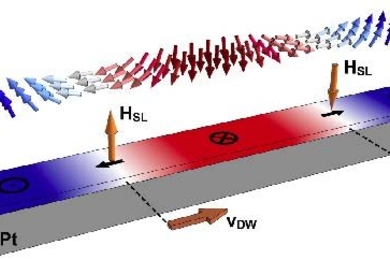
MIT researchers discover efficient control of magnetism in chiral ferromagnets.

Researchers develop method to design synthetic materials and quickly turn the design into reality using computer optimization and 3-D printing.

Chemical engineers’ new synthesis could make biofuel more appealing for mass production.

MIT graduate student David Cohen-Tanugi works to improve water filtration, desalination.
Research could help prevent millions of people from becoming infected with the next pandemic flu