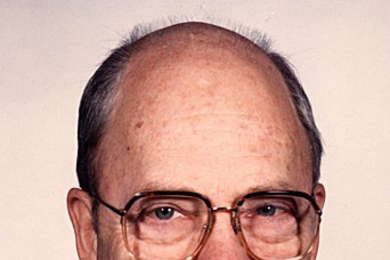
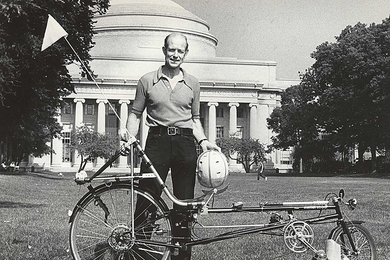
Stephen H. Crandall, professor emeritus in MechE, dies at 92
Crandall remembered for his pioneering work in the field of solid mechanics and random vibrations.
Crandall remembered for his pioneering work in the field of solid mechanics and random vibrations.
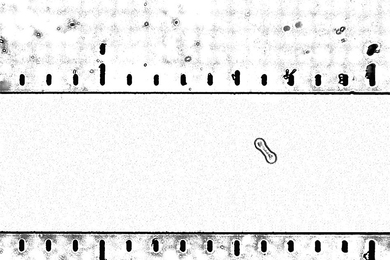
Asymmetrical particles could make lab-on-a-chip diagnostic devices more efficient and portable.
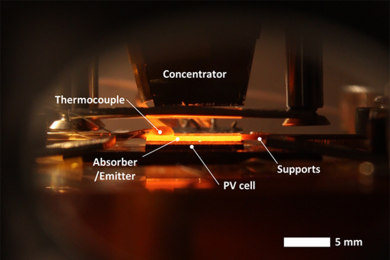
Thermophotovoltaic system converts high heat to narrow spectrum tailored to solar cell profile
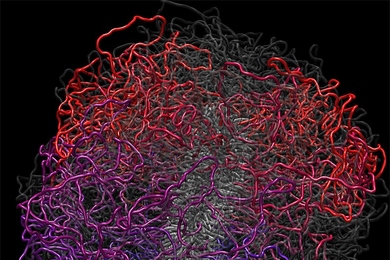
Scientists find that loops of DNA are key to tightly packing genetic material for cell division.
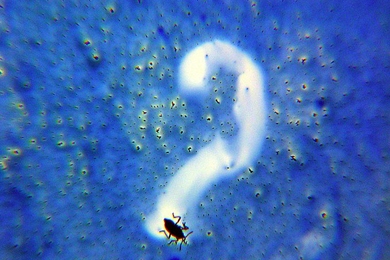
Mechanisms behind water bugs and lilies applied to culinary devices.
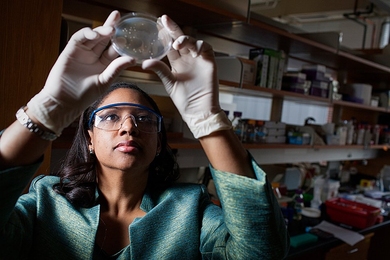
Kristala Jones Prather engineers cells to produce useful compounds such as drugs and biofuels.
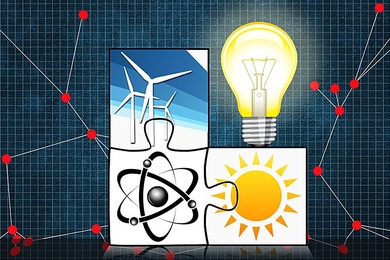
Combining nuclear with artificial geothermal, shale oil, or hydrogen production could help slow climate change, study shows.
System he hatched in the 1970s for curbing carbon emissions is finally getting some traction.
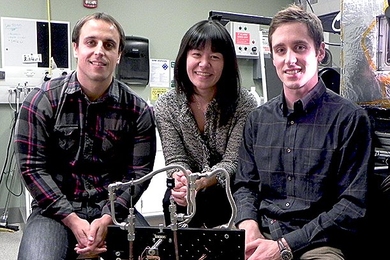
Device Research Laboratory scientists aim to control changes in phase of gases and liquids to reduce power consumption in heating and cooling systems.

A new language lets coders reason about the trade-off between fidelity of execution and power or time savings in the computers of the future.
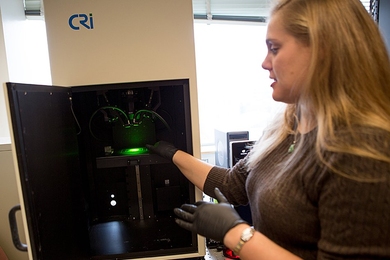
Carbon nanotubes that detect nitric oxide can be implanted under the skin for more than a year.
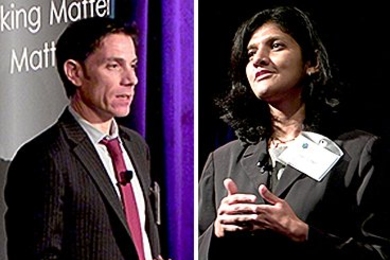
Quantum dots for lighting and television, specialty fibers for surgery, highlighted at annual MPC Materials Day
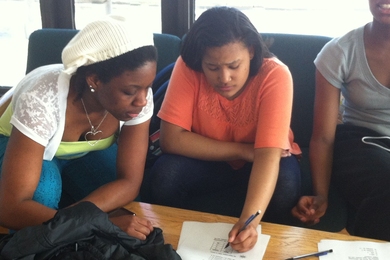
Senior Kirin Sinha has founded an after-school program to connect seventh-grade girls with MIT female student-mentors.
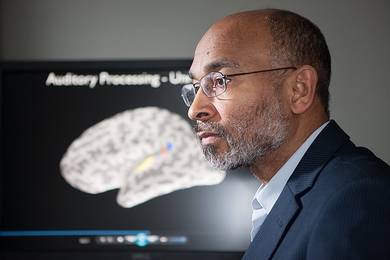
Automated system could offer better control of patients’ brain states.