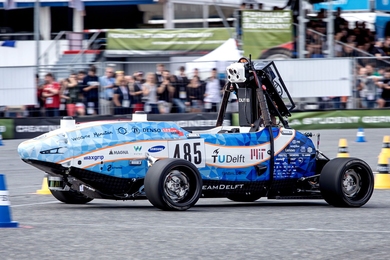
MIT-Delft University of Technology team places third in Formula Student Germany driverless competition
Teams were scored on speed, construction, performance, and financial planning at one of the world’s largest student engineering competitions.
Teams were scored on speed, construction, performance, and financial planning at one of the world’s largest student engineering competitions.
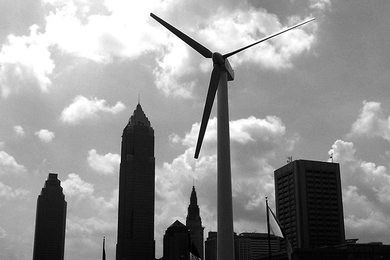
MIT research finds health savings from cleaner air exceed policy costs.
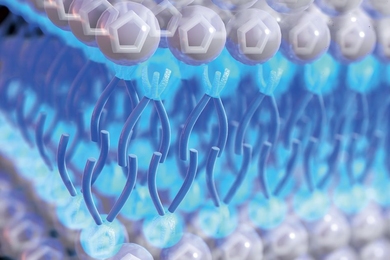
Novel class of “ionic liquids” may store more energy than conventional electrolytes — with less risk of catching fire.
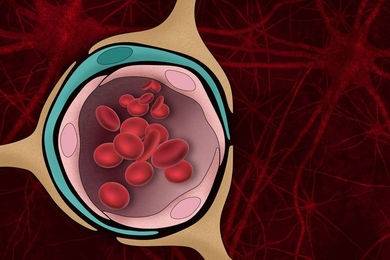
Study finds that Alzheimer’s damage allows toxins to enter the brain, further harming neurons.
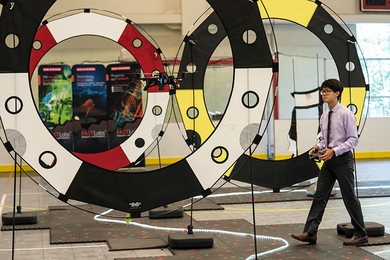
Students wow visitors with a flurry of races and demonstrations during the program's signature final event.

Shining light through household bleach creates fluorescent quantum defects in carbon nanotubes for quantum computing and biomedical imaging.
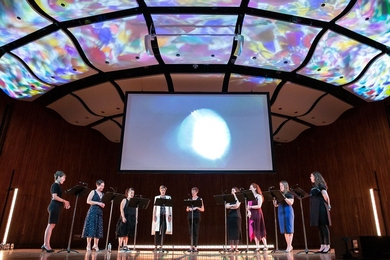
MIT hosts "Songs from Extrasolar Spaces," a musical melding of art and science inspired by the Transiting Exoplanet Survey Satellite (TESS).
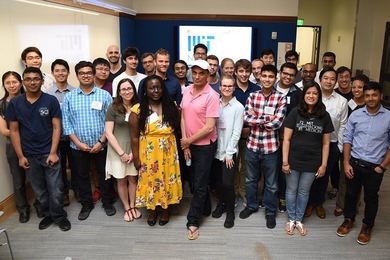
Hacking Nanomedicine kicks off a series of events to develop an idea over time.
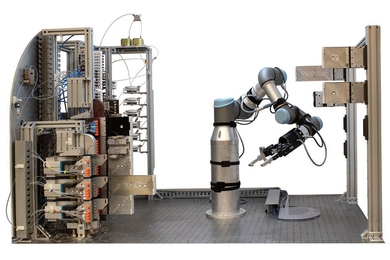
New system could free bench chemists from time-consuming tasks, may help inspire new molecules.
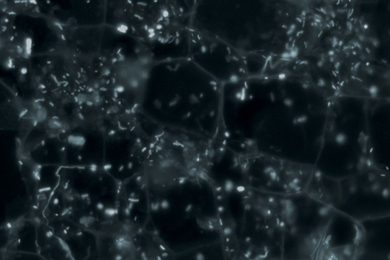
New method identifies ecologically and medically relevant bacteria groups.
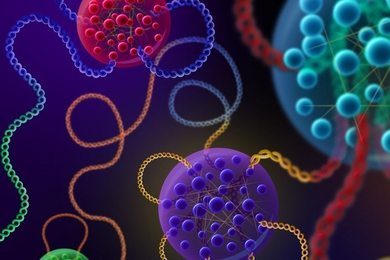
Along the genome, proteins form liquid-like droplets that appear to boost the expression of particular genes.
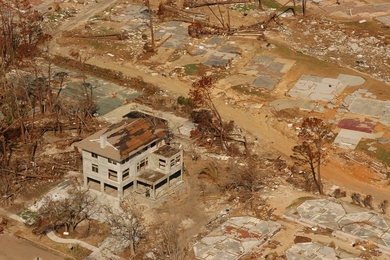
MIT Concrete Sustainability Hub scientist explains how rating systems akin to LEED for resilient construction can make communities more hazard-resistant.

In “semiautonomous” cars, older drivers may need more time to take the wheel when responding to the unexpected.
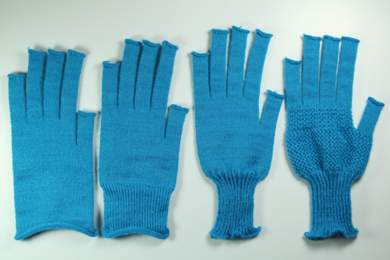
New research from the Computer Science and Artificial Intelligence Laboratory uses machine learning to customize clothing designs.

Model replaces the laborious process of annotating massive patient datasets by hand.