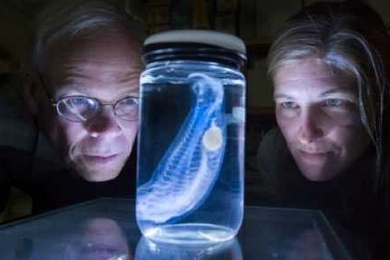
The Salp: Nature’s near-perfect little engine just got better
These efficient organisms may help remove carbon dioxide from the upper ocean
These efficient organisms may help remove carbon dioxide from the upper ocean
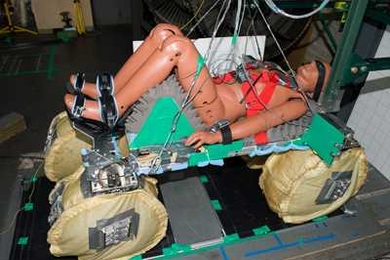
Inspired by seeds, proposed air-bag system would surround astronauts and protect them during bumpy landings

‘TR35’ to be honored at Technology Review’s EmTech@MIT conference next month.
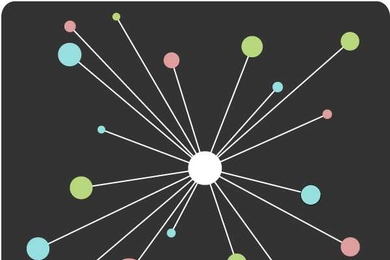
Many scientific disciplines use computers to infer patterns in data. But how much data is enough to ensure that the inferences are right?

A leader in microwave solid-state electronics for radar, he worked at the Laboratory for 41 years and became a trusted adviser and mentor to many.
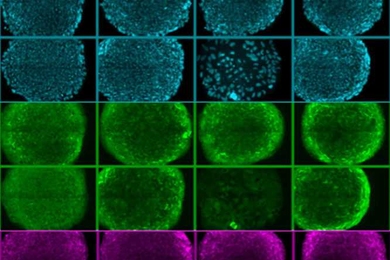
New synthetic surfaces overcome challenges posed by existing methods for cultivating stem cells.
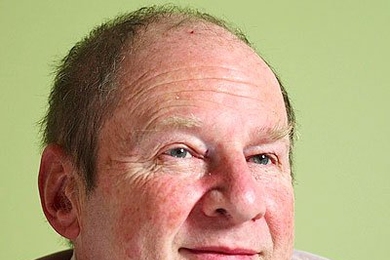
Google’s App Inventor, which lets people with no previous programming experience build applications for mobile phones, draws on decades of MIT research.

U.S. News and World Report ranks MIT Sloan’s undergraduate program second among peer institutions.
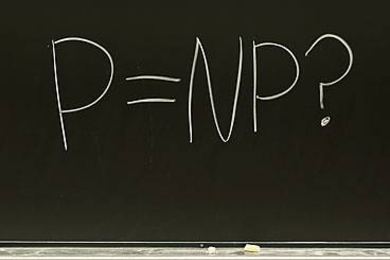
After glancing over a 100-page proof that claimed to solve the biggest problem in computer science, Scott Aaronson bet his house that it was wrong. Why?
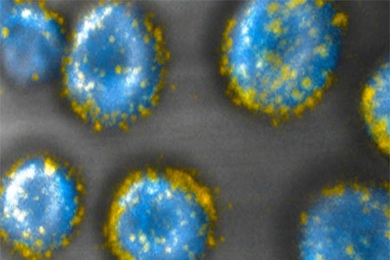
Drugs encapsulated in new MIT nanoparticles can hitch a ride to tumors on the surface of immune-system cells.
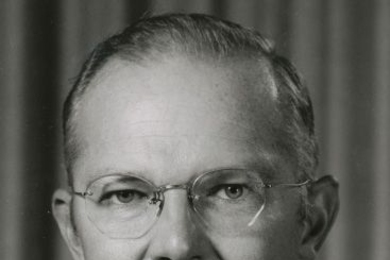
Worked on the atomic bomb at Los Alamos

Ability to recharge rapidly could make electric cars more acceptable to consumers, says MIT student team

Internationally respected journal honors work from Institute, Lincoln Laboratory

Among 150 students nationwide awarded fellowships in program's first year
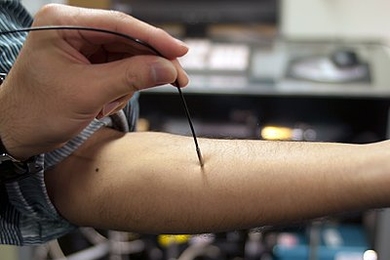
Device from MIT lab could help diabetic patients monitor their blood glucose levels without finger pricks.