Department snapshot: Aeronautics and Astronautics
AeroAstro takes off in new directions — prompting a 50 percent spike in new undergraduate enrollments.
AeroAstro takes off in new directions — prompting a 50 percent spike in new undergraduate enrollments.
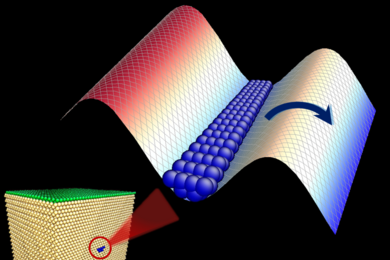
Analysis of molecular-level fracture and stress mechanisms could have broad implications for understanding materials’ behavior.
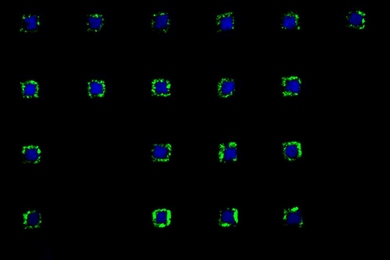
Research examines how to control spatial distribution of cells in microenvironments
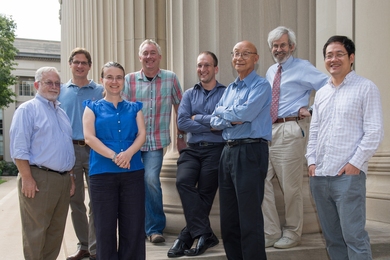
Department of Nuclear Science and Engineering takes an interdisciplinary approach
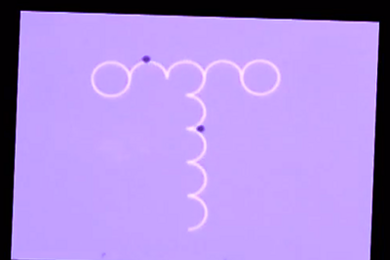
MIT team finds way to manipulate and measure magnetic particles without contact, potentially enabling multiple medical tests on a tiny device.
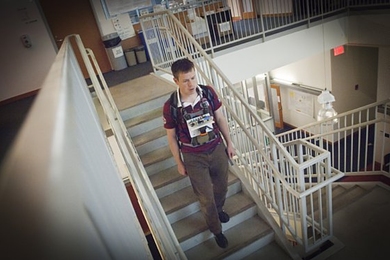
A prototype sensor array that can be worn on the chest automatically maps the wearer’s environment, recognizing movement between floors.
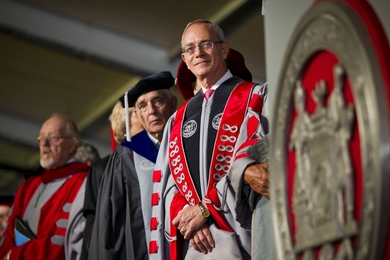
In his inaugural address, President L. Rafael Reif aims MIT on a course to shape new directions in education.

OttoClave aims to deliver world-class sterilization technology to rural health clinics.

Director of MIT's Office of Educational Innovation and Technology (OEIT) discusses some of the key concepts propelling the open education movement.

Innovation symposium touches on a dizzying array of topics, with themes of interdisciplinary collaboration, energy and innovation for the developing world.
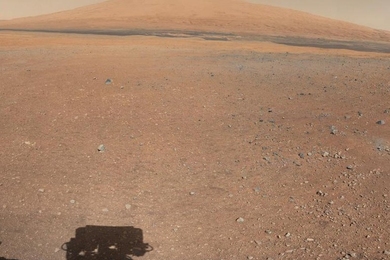
Curiosity is the most ambitious planetary rover mission ever, but it’s just one of the many exploratory projects JPL is undertaking.

Steven Pinker delivers nuclear engineering's first lecture on 'Communicating Science and Technology in the 21st Century.'

As electronic and optical devices get ever faster, terms for ever-smaller increments of time are coming into wider use.