
Two from MIT named 2026 Knight-Hennessy Scholars
The prestigious fellowship funds graduate studies at Stanford University.
The prestigious fellowship funds graduate studies at Stanford University.
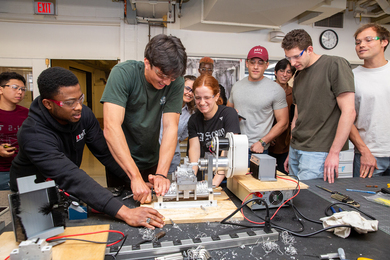
In 2.72/2.270 (Elements of Mechanical Design), “if it doesn’t break the laws of physics, it’s possible; you just have to figure out how to engineer it.”

Akorfa Dagadu, an MIT senior in chemical engineering, learns the importance of community-engaged research and innovation through the PKG Center for Social Impact.

The professor of medical engineering and science is honored for medical research that has led to better treatments for cardiovascular disease.
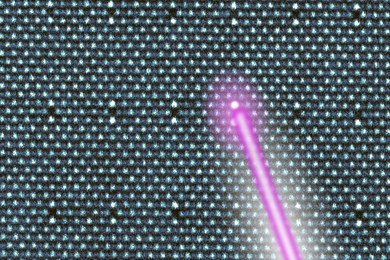
A new method for precisely moving columns of individual atoms within a material could give rise to exotic quantum properties.

Using immune-remodeling mRNA molecules, researchers generated T cells that can slow tumor growth and, in some cases, eradicate tumors.
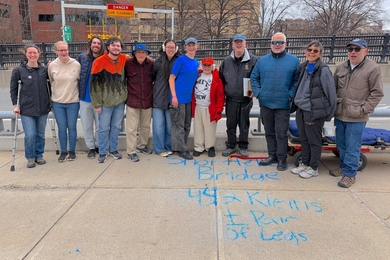
In a nod to the prank that first introduced the smoot, an MIT team rolls out the “klein” in homage to Martin Klein ’62 and playfully renames a beloved Charles River span the “Shortfellow Bridge.”
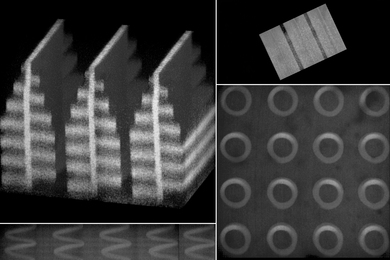
MIT researchers created tiny 3D photonic devices with features small enough to channel visible light.
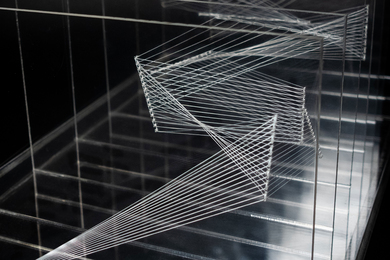
A new technique helps scientists measure a phenomenon that can cause quantum circuits to perform differently than expected, increasing the error in computations.

When it comes to emissions, individual driving patterns matter as much as how “green” the regional electricity mix is, MIT researchers report.
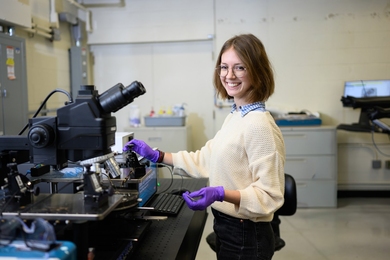
Camille Cunin PhD ’26 is transforming rigid circuitry into stretchable, signal-amplifying devices built for real-world biomedical use.

The Udall Foundation identifies and rewards future leaders in tribal public policy, Indigenous health policy, and the environment.
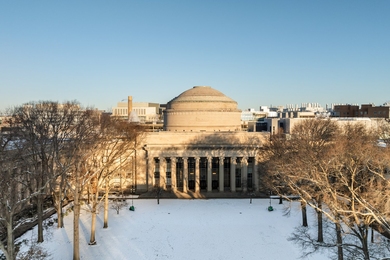
Faculty members and researchers were honored in recognition of their scholarship, service, and overall excellence.

With a novel design, MIT researchers overcame a stubborn problem that has limited the effectiveness of chip-based systems for lidar.

The “MetaEase” technique provides a heads-up to potential scenarios that could cause long wait-times or outages.