
New approach enables physically consistent AI models of chaotic systems
Enforcing physics-based constraints prevents AI models from generating unreliable predictions for complex nonlinear systems in weather, climate, and turbulent flows.
Enforcing physics-based constraints prevents AI models from generating unreliable predictions for complex nonlinear systems in weather, climate, and turbulent flows.
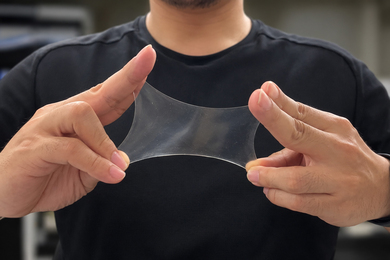
A new dry material could replace the traditional goopy gel for wearable ultrasound patches.
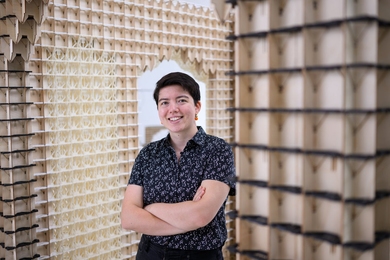
Miana Smith designs self-correcting blocks that simple robots can use to construct large, sustainable structures.

Faculty members and researchers were honored in recognition of their scholarship, service, and overall excellence.
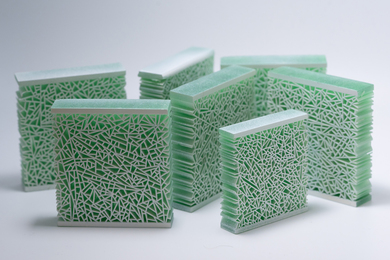
The new design approach could improve impact absorption for helmets, packaging, and armor.

The newest MIT engineering faculty are conducting research across a diverse range of subject areas.
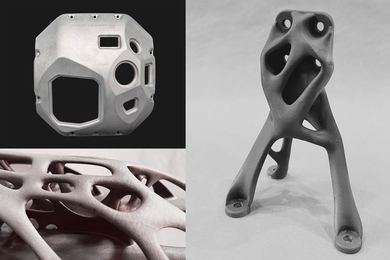
Founded by MIT alumni, Fabri uses 3D printing and software to eliminate many of the steps that slow down traditional metal casting.
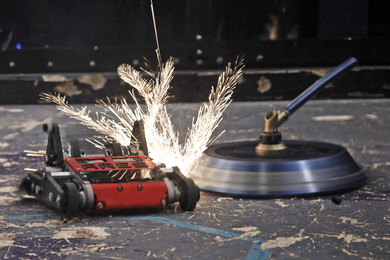
Members of the student-run MIT Combat Robotics Club learn through destruction.
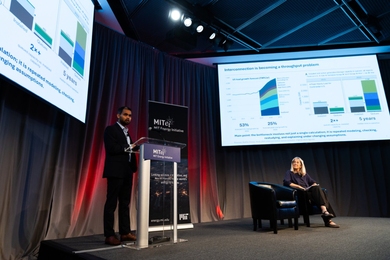
From a nuclear revival to qubits, the MIT Energy Initiative’s annual research conference tracked deployment of today’s technologies to discovery of tomorrow’s breakthroughs.
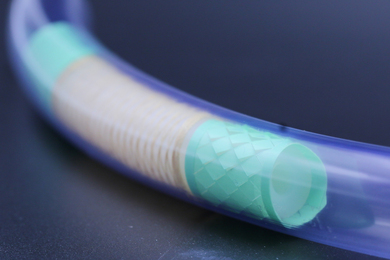
MIT engineers designed a robotic enteroscope that can inch through the hard-to-reach small intestine, making biopsies and drug delivery easier.

A cross-section of the MIT community convened discussions on topics ranging from data centers and super pollutants to agriculture and education.
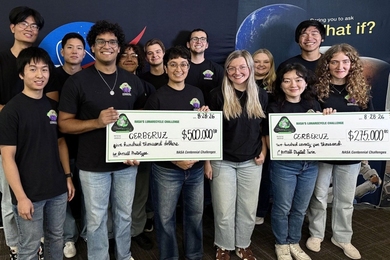
The team took first prize in both the Prototype and Digital Twin tracks for its lunar waste recycling system.

SanaHeal has developed a biologically compatible adhesive that sticks to wet tissues to simplify a variety of surgeries.
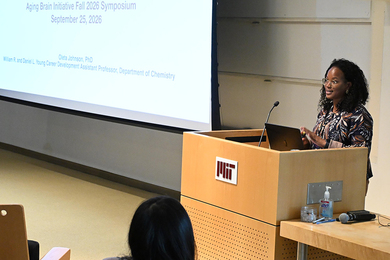
In six talks, researchers from across MIT described projects aimed at advancing the understanding of and interventions against neurodegenerative diseases such as Alzheimer’s, Parkinson’s, and ALS.
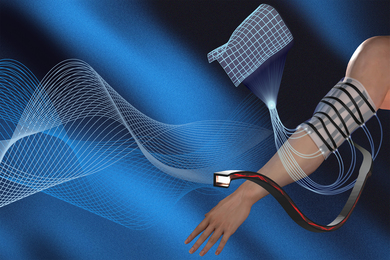
Developed by MIT engineers, this flexible material could be used as a wearable, motion-monitoring “skin” in physical therapy, virtual reality, and gaming.