
Pressurized experiments could help wind farms generate more power
A new way of simulating wind turbines in the field shows how tweaking turbine operation could unlock tens of thousands of dollars per turbine every year.
A new way of simulating wind turbines in the field shows how tweaking turbine operation could unlock tens of thousands of dollars per turbine every year.
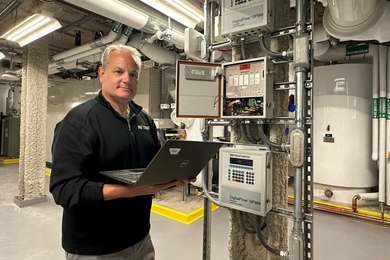
Innovative strategies, technologies, and collaborations are helping MIT advance solutions on campus and beyond.
MIT researchers find that where new energy projects are built could be key to avoiding blackouts in a future with hotter weather and other challenges.

A new study suggests flexibility in the timing of electricity consumption could lower consumer costs.
Pablo Duenas-Martinez, a MITEI research scientist, describes the “death spiral” of events that caused the 12-hour Iberian peninsula power outage in 2025, and five lessons learned.
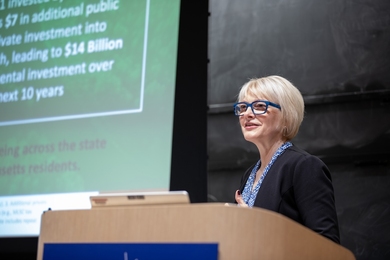
Massachusetts Clean Energy Center CEO MBA ’12 Emily Reichert highlights the state government’s unique approach to fostering and keeping clean energy innovation.

Global Change Outlook report for 2025 shows how accelerated action can reduce climate risks and improve sustainability outcomes, while highlighting potential geopolitical hurdles.

A study by MIT researchers illuminates choices about reliability, cost, and emissions.
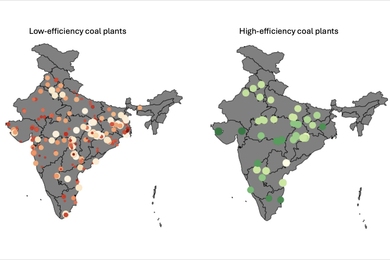
A detailed MIT analysis identifies some promising options but also raises unexpected concerns.

New research finds liquid air energy storage could be the lowest-cost option for ensuring a continuous power supply on a future grid dominated by carbon-free but intermittent sources of electricity.

Station A, founded by MIT alumni, makes the process of buying clean energy simple for property owners.
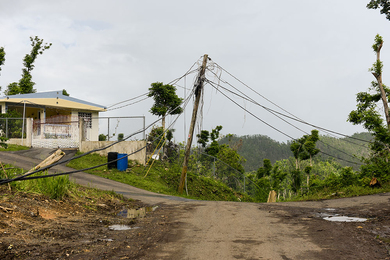
Using the island as a model, researchers demonstrate the “DyMonDS” framework can improve resiliency to extreme weather and ease the integration of new resources.
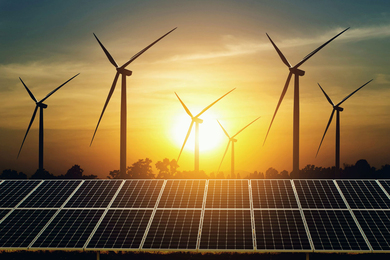
MIT engineers show how detailed mapping of weather conditions and energy demand can guide optimization for siting renewable energy installations.
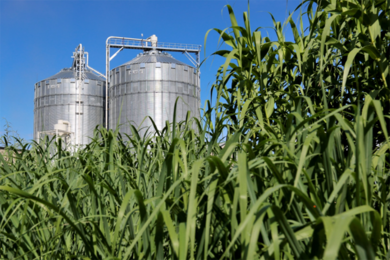
Study shows how smart policies could address competing land-use needs.
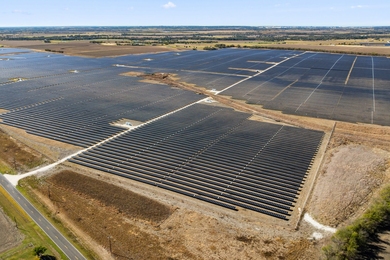
Projects in Texas and North Dakota support clean energy transition as MIT moves closer to 2026 net-zero goal.