
Innovative projects explore ways to deal with extreme heat
Low-cost personal cooling and emissions-free air conditioning among ideas studied with MIT’s Climate Project seed funding.
Low-cost personal cooling and emissions-free air conditioning among ideas studied with MIT’s Climate Project seed funding.
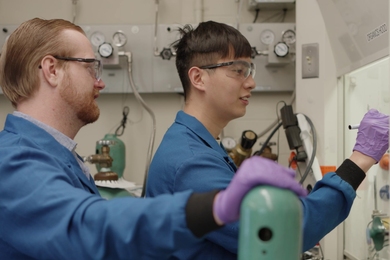
MIT researchers present a promising new approach to efficient, flexible carbon capture and removal.

Study shows the tradeoff between conservation and growth is less stark with a locally adjusted policy featuring both tradeable offsets and taxes.

The low-temperature process could unlock cleaner lithium from America’s abundant hard rock while minimizing waste.
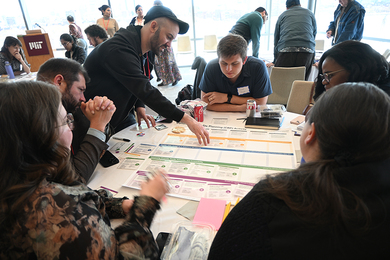
Living Climate Futures Symposium explores climate challenges and solutions at the community level.
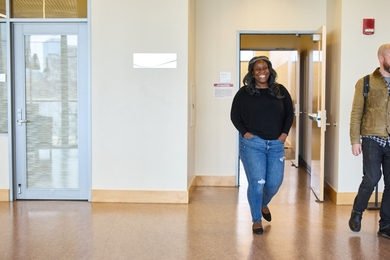
The MBA student and entrepreneur is learning to lead a more resilient future with her renewable energy company.

The initiative plans to engage industry leaders and MIT alumni with hubs in Tokyo, Dubai, and Hong Kong.
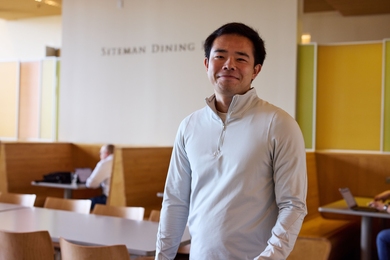
MIT Sloan’s Sustainability Initiative provides opportunities to lead in ways that will help build a more sustainable future.

When it comes to emissions, individual driving patterns matter as much as how “green” the regional electricity mix is, MIT researchers report.

Founded by Peter Godart ’15, SM ’19, PhD ’21, the company has developed technologies for extracting critical metals and making fuel out of aluminum.
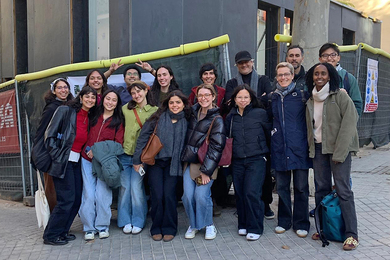
Students in a MISTI Global Classroom confronted the challenges of climate change, one farm and co-op visit at a time.
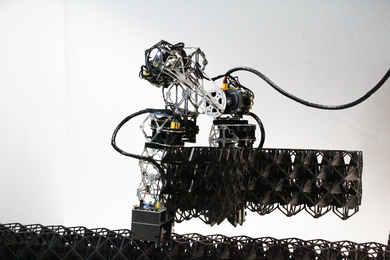
New research suggests constructing a simple building from interlocking subunits should be mechanically feasible and have a much smaller carbon footprint.

The “EnergAIzer” method generates reliable results in seconds, enabling data center operators to efficiently allocate resources and reduce wasted energy.
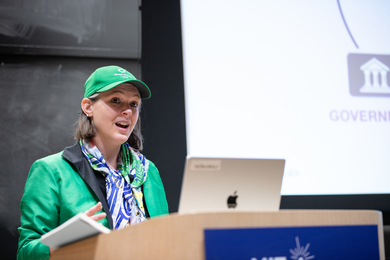
Greentown Labs CEO Georgina Campbell Flatter emphasizes the importance of collaboration in the entrepreneurship space, and the role that universities play in this landscape.
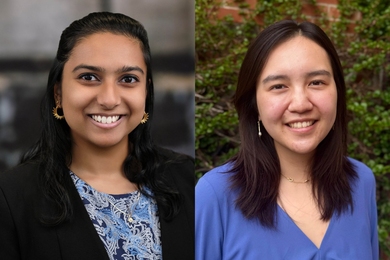
Mitali Chowdhury ’24 and Christina Kim ’24 will pursue graduate studies at Cambridge University in the UK.