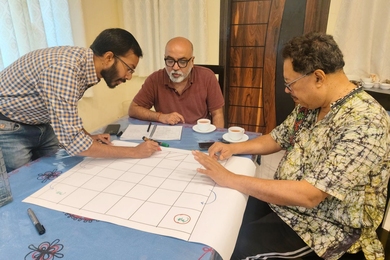
Playing against climate risk
Climate scientist Sai Ravela is using games to help coastal communities find creative adaptations to climate change.
Climate scientist Sai Ravela is using games to help coastal communities find creative adaptations to climate change.
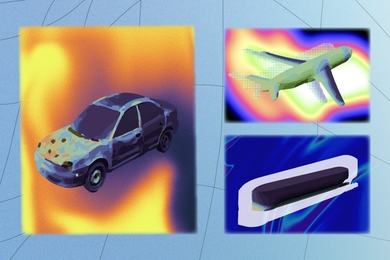
“GeoPT” helps AI models understand the basics of physics so they can simulate how objects respond to things like wind and water more efficiently and accurately.
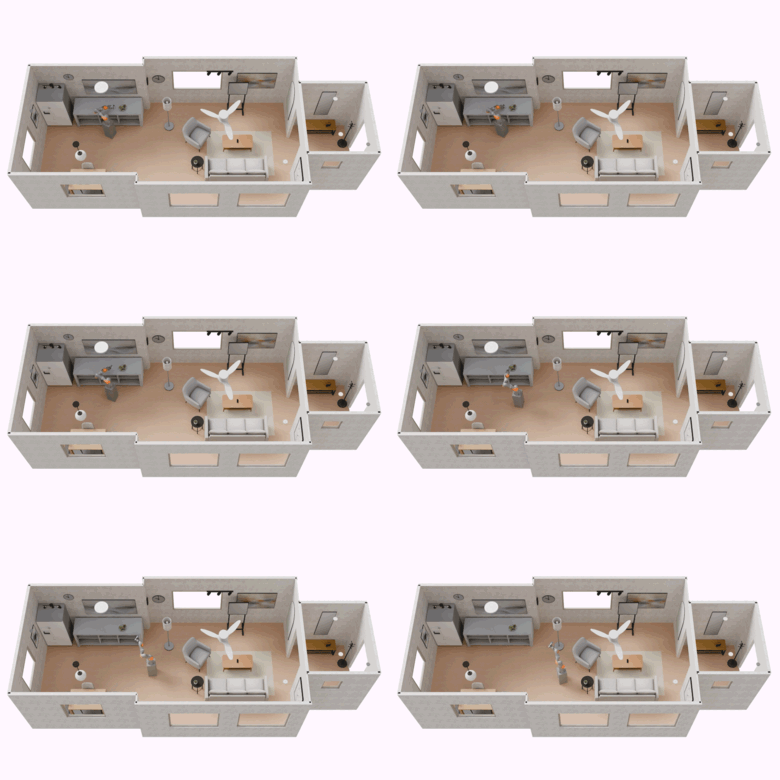
“SceneSmith” system uses collaborative AI agents to create realistic 3D environments of places like kitchens, hotels, and living rooms, where robots can simulate everyday chores.
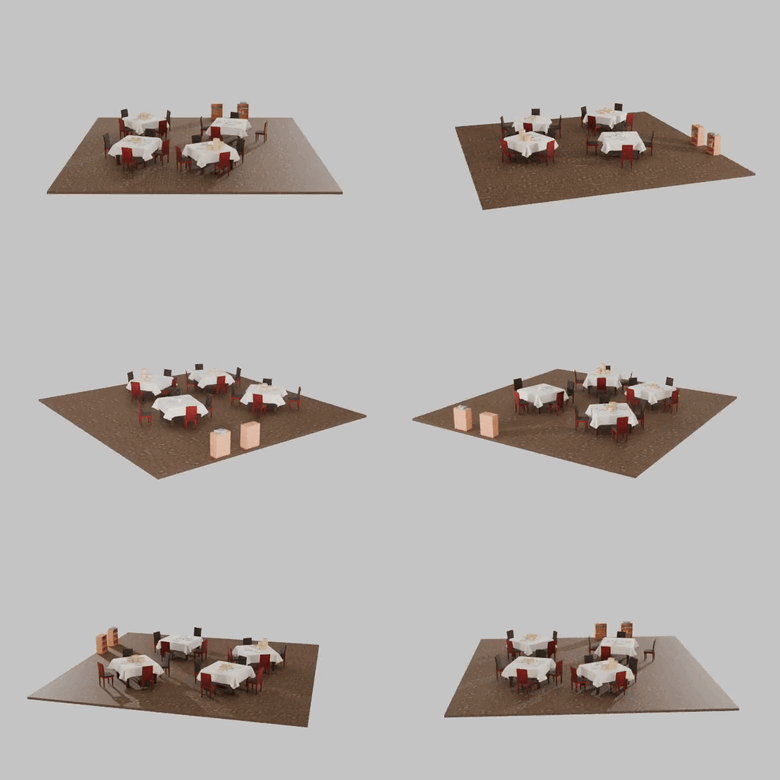
New tool from MIT CSAIL creates realistic virtual kitchens and living rooms where simulated robots can interact with models of real-world objects, scaling up training data for robot foundation models.

Researchers create a new simulation tool for robots to manipulate complex fluids in a step toward helping them more effortlessly assist with daily tasks.
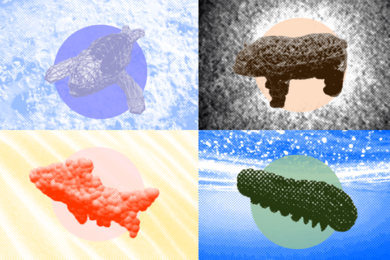
SoftZoo is a soft robot co-design platform that can test optimal shapes and sizes for robotic performance in different environments.
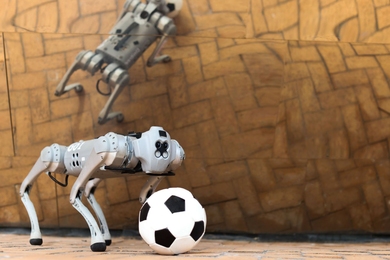
“DribbleBot” can maneuver a soccer ball on landscapes such as sand, gravel, mud, and snow, using reinforcement learning to adapt to varying ball dynamics.

John Sterman brings workshops with management flight simulators to businesses working toward environmental sustainability.
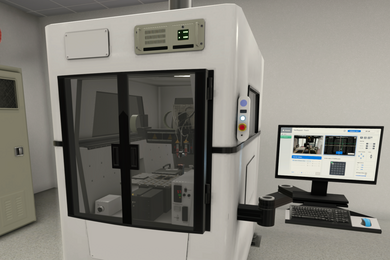
Digital twins to expand training capabilities through virtual reality.
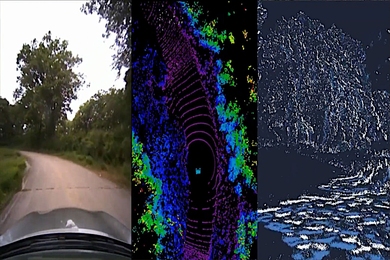
MIT scientists unveil the first open-source simulation engine capable of constructing realistic environments for deployable training and testing of autonomous vehicles.
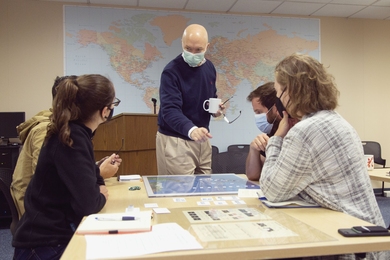
MIT Center for International Studies and Security Studies Program offer new resources for modeling human behavior and decision-making in real-world scenarios.

In collaboration with industry representatives, Momentum students tackle wildfire suppression and search-and-rescue missions while building soft skills.
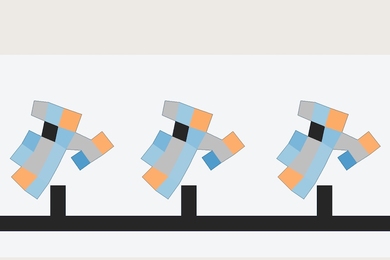
“Evolution Gym” is a large-scale benchmark for co-optimizing the design and control of soft robots that takes inspiration from nature and evolutionary processes.
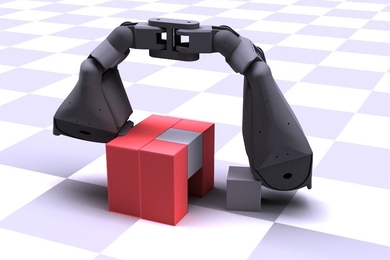
A novel method to represent robotic manipulators helps optimize complex and organic shapes for future machines.
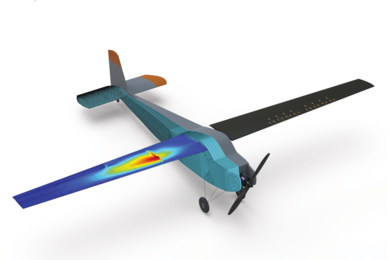
Model could help predictive virtual models become standard practice in engineering.