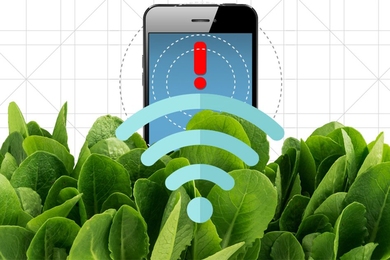
Nanobionic spinach plants can detect explosives
After sensing dangerous chemicals, the carbon-nanotube-enhanced plants send an alert.
After sensing dangerous chemicals, the carbon-nanotube-enhanced plants send an alert.
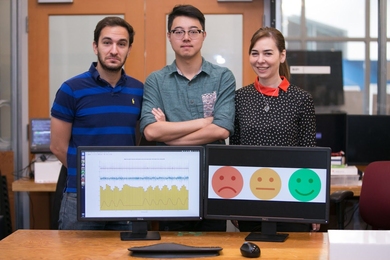
Measuring your heartbeat and breath, CSAIL device can tell if you’re excited, happy, angry, or sad.

MIT, AMS Institute will collaborate to solve complex urban problems for Amsterdam with the development of autonomous "roboats."
![“There's a lot of role models here [at MIT], and sometimes, in Chile or in Mexico or in Costa Rica, [girls] don't know that there's a graduate student or an undergrad doing these cool things at MIT,” says grad student Alicia Chong Rodriguez. “I think it's a matter of just connecting the dots.”](/sites/default/files/styles/term_page__news_article/public/images/201608/MIT-Alicia-Chong-1.jpg?itok=SHyICvo7)
Graduate student Alicia Chong Rodriguez uses her engineering skills to empower women.

New sensor could help anesthesiologists place needles for epidurals and other medical procedures.
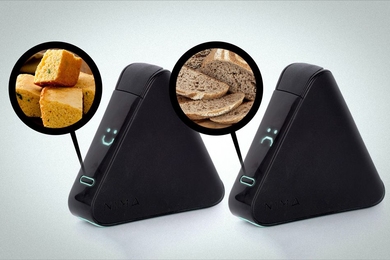
Portable sensor detects trace amounts of gluten in food at restaurants.
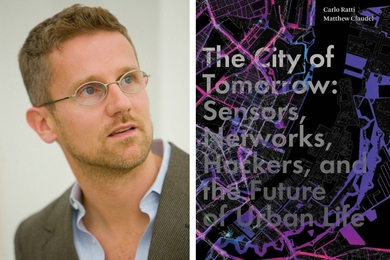
New book by Senseable City Lab researchers presents vision of data-driven urban design.
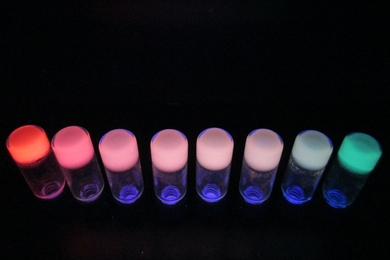
Color-changing materials could be used to detect structural failure in energy-related equipment.
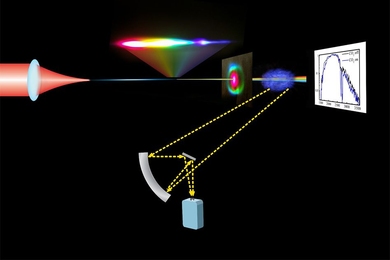
Laser pulses produce glowing plasma filaments in open air, could enable long-distance monitoring.
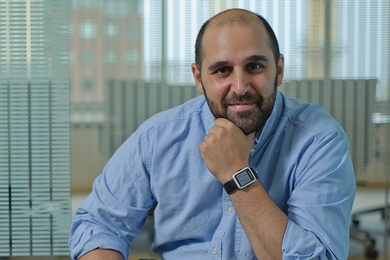
MIT spinout Neumitra brings an innovative approach to quantifying, understanding, and managing stress.
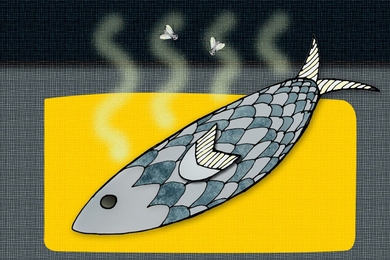
Tiny device could be incorporated into “smart packaging” to improve food safety.

The Association for Computer Machinery cites Devadas, Grimson, Morris, Rubinfeld, and Rus as having "provided key knowledge" to computing.
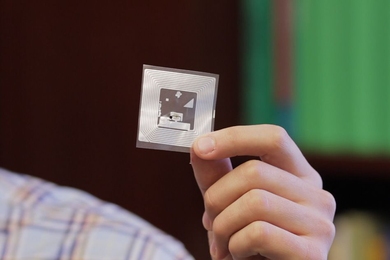
New sensor can transmit information on hazardous chemicals or food spoilage to a smartphone.

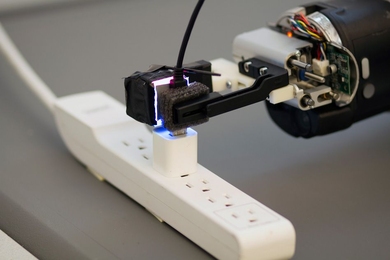
Equipped with a novel optical sensor, a robot grasps a USB plug and inserts it into a USB port.