
What has the pandemic revealed about the US health care system — and what needs to change?
Seven MIT researchers see lessons and opportunities for US health care.
Seven MIT researchers see lessons and opportunities for US health care.
Hundreds worldwide join MIT students in experiencing 21H.000 (History of Now: Plagues and Pandemics) as a public series of webinars.
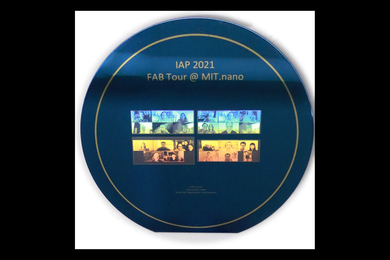
Five courses celebrate the nanoscale, highlight technologies in photogrammetry and 360-degree videography.
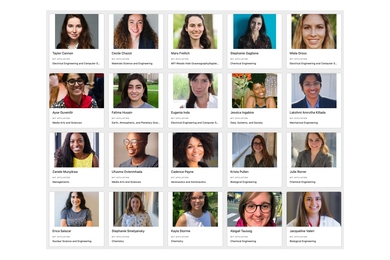
WISDM has selected 20 women to take part in a Story Collider communications skills training.
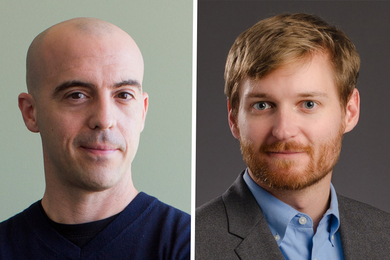
Experts say people are more willing to get the Covid-19 vaccine when told how popular it is.

MIT students Malik and Miles George gain attention on the video-sharing social network for their captivating, funny science videos.

Social media users share charts and graphs — often with the same underlying data — to advocate opposing approaches to the pandemic.

Improved public health messaging to Black, Latinx, and other communities disproportionately impacted by the pandemic can increase Covid-19 knowledge and information-seeking.
Years of volumes and hundreds of essays, published by the MIT Press since 2003, are now freely available.
To understand ourselves and our place in the universe, “we should have humility but also self-respect,” the physicist writes in a new book.

Both free resources are part of an update of the program's website.
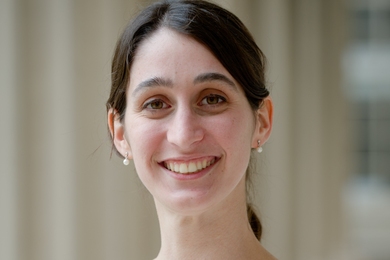
Jasmine Florentine ’11, SM ’15 combines engineering and art to illustrate educational posters related to Covid-19.
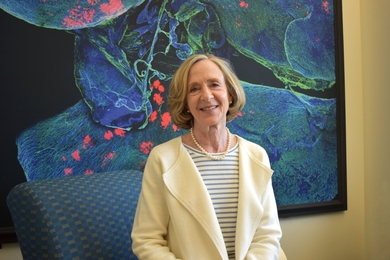
Author Susan Hockfield, MIT president emerita and professor of neuroscience, receives 2020 Science Communication Award.
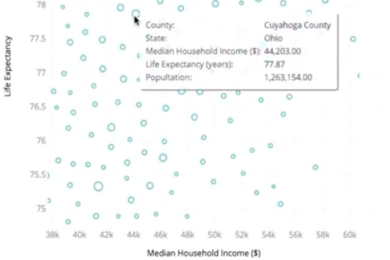
Large datasets are difficult to depict as scatterplots — but that may change with a new CSAIL project for creating interactive visualizations.
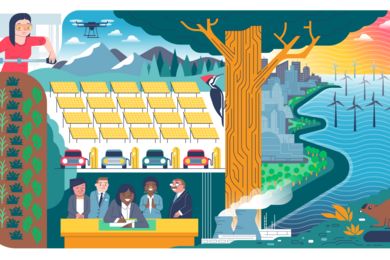
Website hosts an expanded suite of digital tools and resources to help people make sense of climate change.