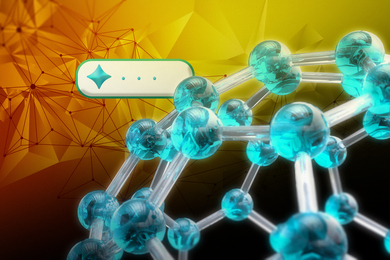
Giving AI a “crystal clear” view of the materials world
New research can help AI models understand crystalline materials in 3D and reason about their properties.
New research can help AI models understand crystalline materials in 3D and reason about their properties.
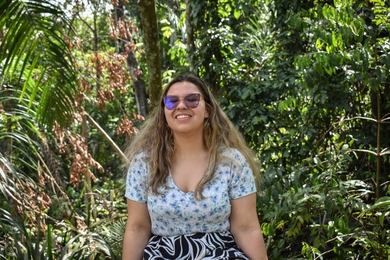
The senior in chemical engineering volunteers with the ASA as a way to advocate for students and to strengthen bridges between MIT and its student clubs and groups.
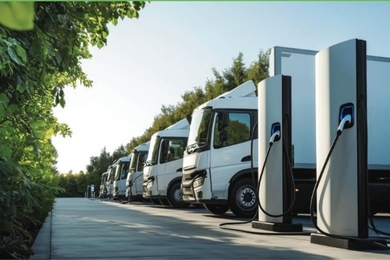
MIT's Center for Transportation and Logistics finds sustainability commitments are strong, but governance gaps and external disruptions prevent execution.

Faculty, students, staff, family, and friends gathered to remember the assistant professor and archaeometallurgist who died last month.
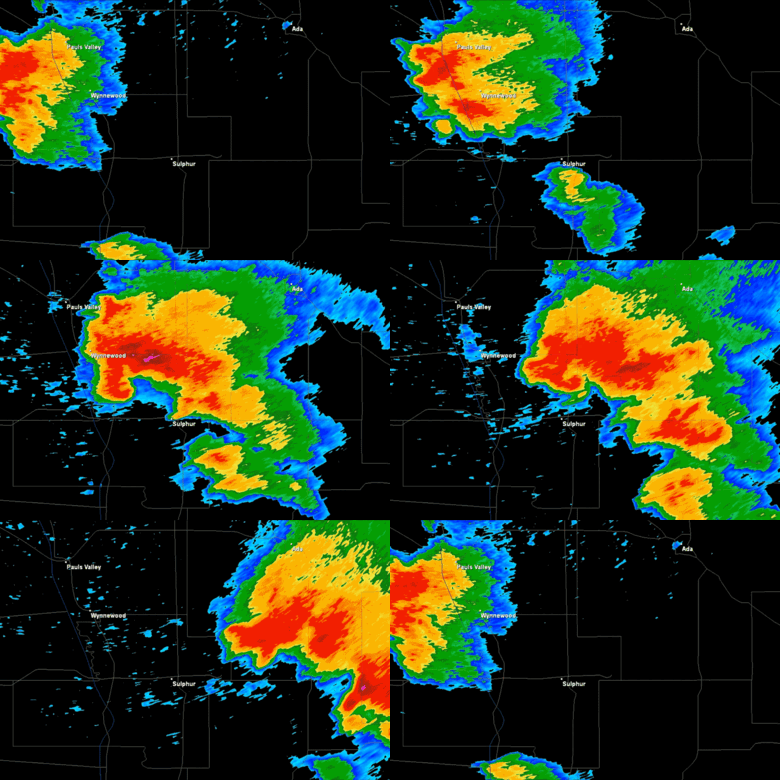
A new machine-learning approach broke records for weather forecasting for an important time frame in emergency planning.
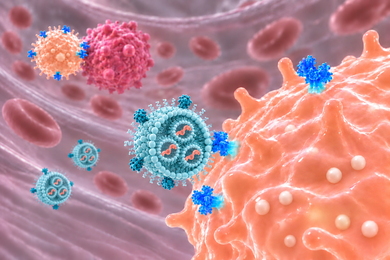
A new approach can program these cells inside the body and shows promise against diseases caused by dysfunctional T cells, including lymphoma and autoimmune hepatitis.
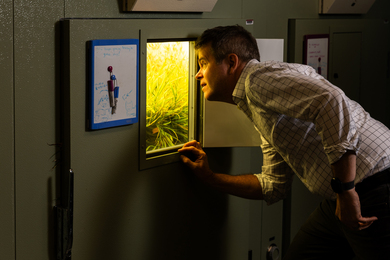
Associate Professor David Des Marais studies how plants interact with their surroundings and adapt over time.
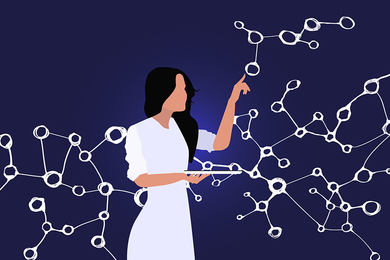
MIT Statistics and Data Science Center Director Alexander (Sasha) Rakhlin shares important considerations for departments and institutions.
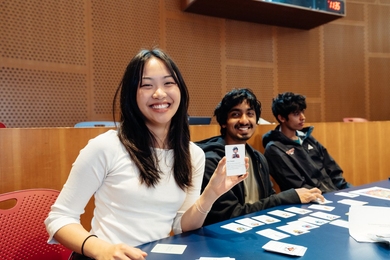
In the MIT class 6.C31 (Hack Yourself) students apply computer science strategies to personal growth goals.
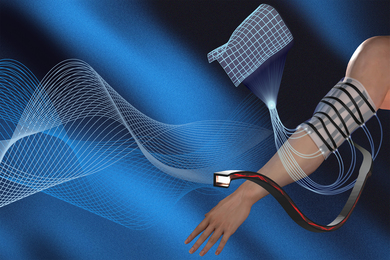
Developed by MIT engineers, this flexible material could be used as a wearable, motion-monitoring “skin” in physical therapy, virtual reality, and gaming.
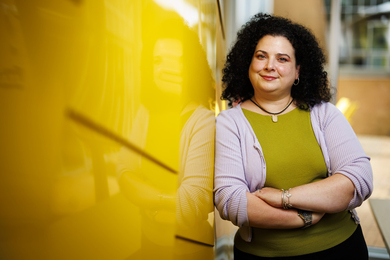
By rethinking how large cloud computing systems operate, Associate Professor Christina Delimitrou seeks to make data centers more energy efficient.

Over two decades at MIT, Hamilton forged new paths in computer science and engineering. Her groundbreaking work included leading the team that programmed the first computers that took humans to the moon.
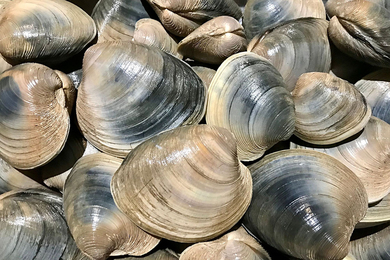
MIT researchers built a cloud-based platform to help Massachusetts coastal towns and the state manage shellfishing closures, giving thousands of permit holders a clearer view of where they can fish.
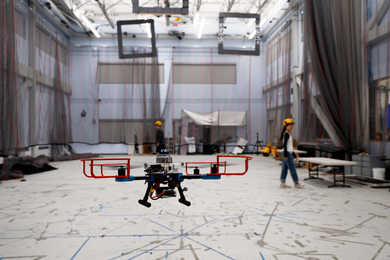
This new method, called “SANDO,” could help disaster-response robots navigate dangerous, unknown environments.

Associate Professor Cathy Wu uses reinforcement learning to help map out improvements to transportation and other multifaceted systems.