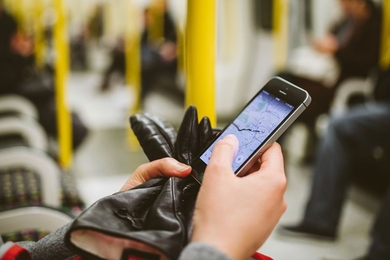
The privacy risks of compiling mobility data
Merging different types of location-stamped data can make it easier to discern users’ identities, even when the data is anonymized.
Merging different types of location-stamped data can make it easier to discern users’ identities, even when the data is anonymized.

A new MIT program in the planned Chinese city offers opportunities for observation and collaboration.
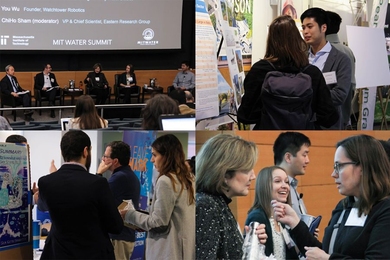
Experts gather at MIT to share insights, techniques, and strategies for building resilient urban water systems.

An artificial intelligence-powered laugh track amuses and unsettles in interactive installations by Jonny Sun.

MIT Corporation members boost plan to relocate School of Architecture and Planning into historic building.

Three leaders of the #MeToo and #MeTooSTEM movements are recognized.

Worldwide honors for 2019 span three MIT schools.

New work by Tod Machover of the Media Lab's Opera of the Future group examines ideas of heritage, politics, and artistic integrity.
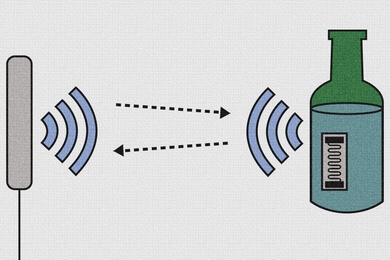
Simple, scalable wireless system uses the RFID tags on billions of products to sense contamination.

The new media arts and sciences faculty member merges social justice with design, architecture, music, performance, and technology.

Knowledge Futures Group and the MIT Press team up to highlight ways to meet increasing demands for open access content.
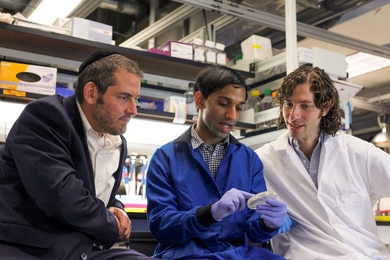
Enzyme can target almost half of the genome’s “ZIP codes” and could enable editing of many more disease-specific mutations.

Massive global survey reveals ethics preferences and regional differences.
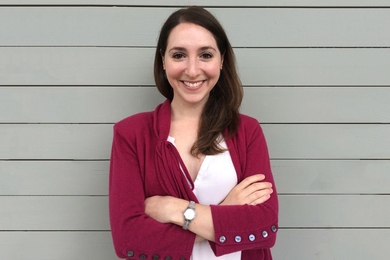
“My job is to be critical and deep as an art historian, and not as a politician,” says PhD student Nisa Ari.

Researchers and experts attend African Sustainable Development Conference at MIT.