
Nuno Loureiro, professor and director of MIT’s Plasma Science and Fusion Center, dies at 47
In his 10 years at MIT, Loureiro helped illuminate the physics occurring at the center of fusion vacuum chambers and at the edges of the universe.
In his 10 years at MIT, Loureiro helped illuminate the physics occurring at the center of fusion vacuum chambers and at the edges of the universe.
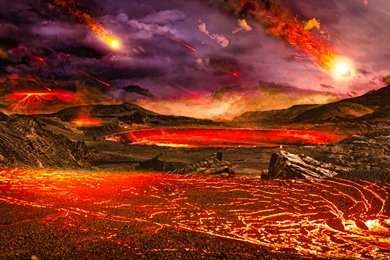
Materials from ancient rocks could reveal conditions in the early solar system that shaped the early Earth and other planets.
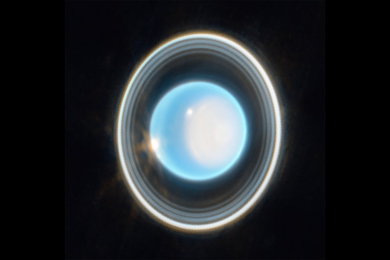
PhD student Chloe Gentgen discusses why the ice giant is such a high-priority solar system target, and how the Starship launch vehicle may hasten our explorations there.
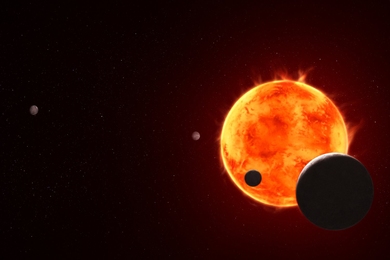
Astronomers led by EAPS postdoc Ana Glidden ruled out several atmospheric scenarios for the planet, narrowing ideas of what habitability there might look like.
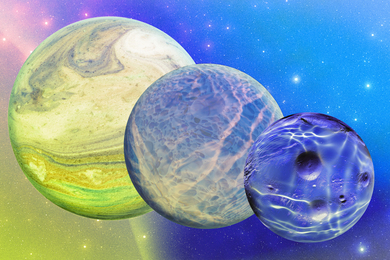
Lab experiments show “ionic liquids” can form through common planetary processes and might be capable of supporting life even on waterless planets.
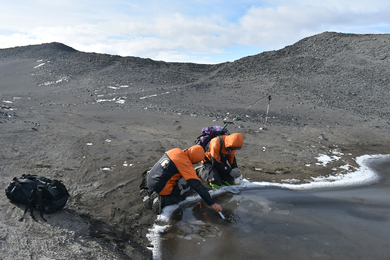
Modern-day analogs in Antarctica reveal ponds teeming with life similar to early multicellular organisms.
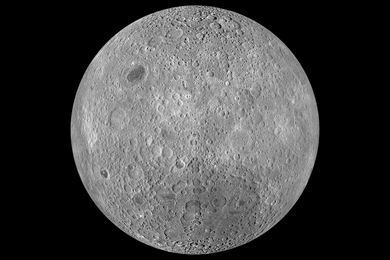
A large impact could have briefly amplified the moon’s weak magnetic field, creating a momentary spike that was recorded in some lunar rocks.
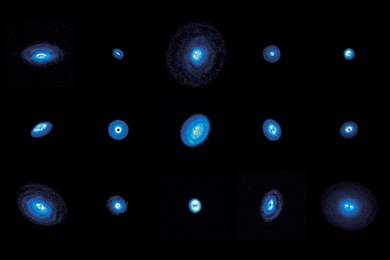
Led by Assistant Professor Richard Teague, a team of international astronomers has released a collection of papers and public data furthering our understanding of planet formation.

The small and rocky lava world sheds an amount of material equivalent to the mass of Mount Everest every 30.5 hours.

The fellowship supports research contributing to the field of planetary science and astronomy.
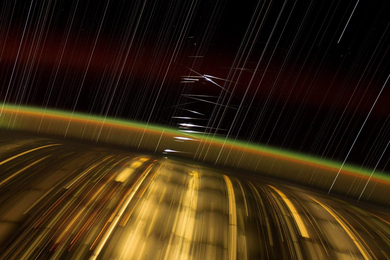
Increasing greenhouse gas emissions will reduce the atmosphere’s ability to burn up old space junk, MIT scientists report.
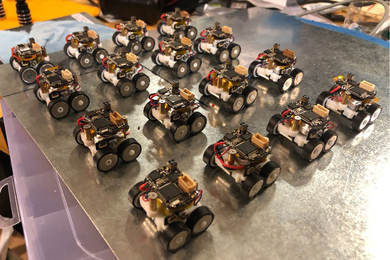
Data from the devices will help future astronauts navigate the moon’s south polar region and search for frozen water.

MIT oceanographer and biogeochemist Andrew Babbin has voyaged around the globe to investigate marine microbes and their influence on ocean health.
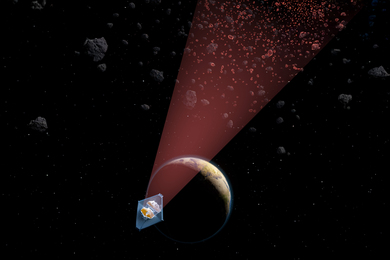
The team’s detection method, which identified 138 space rocks ranging from bus- to stadium-sized, could aid in tracking potential asteroid impactors.

New study proposes that some of the minerals seen on Mars today may have formed in liquid CO2 instead of water.