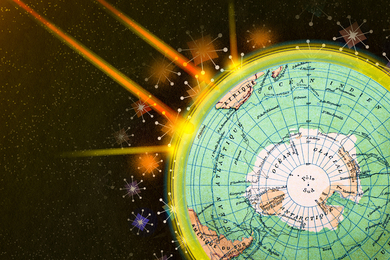
Scientists find ozone depletion began decades before discovery of ozone hole
Using modern tools, they also determined that carbon tetrachloride, used as a dry-cleaning and degreasing agent as early as the 1930s, was at the root of early ozone loss.
Using modern tools, they also determined that carbon tetrachloride, used as a dry-cleaning and degreasing agent as early as the 1930s, was at the root of early ozone loss.
The MIT professor’s groundbreaking work on atmospheric chemistry helped lay steps towards recovery of the ozone layer and demonstrated the lasting impacts of carbon emissions on Earth’s climate.
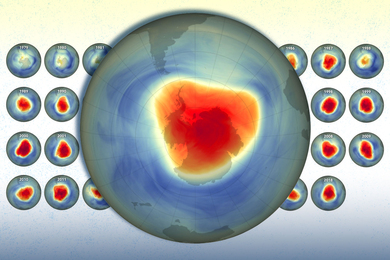
New results show with high statistical confidence that ozone recovery is going strong.
Knowing where to look for this signal will help researchers identify specific sources of the potent greenhouse gas.
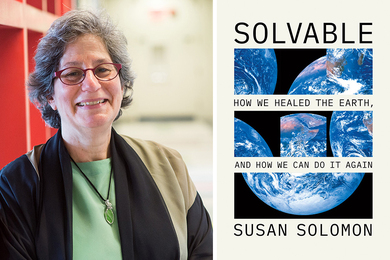
In a new book, Professor Susan Solomon uses previous environmental successes as a source of hope and guidance for mitigating climate change.
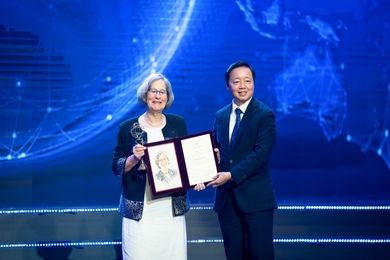
The award recognizes Solomon’s contributions to understanding ozone depletion and the creation of the Montreal Protocol.
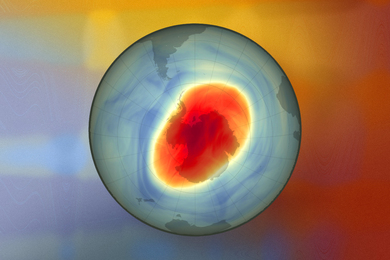
MIT chemists show the Australian wildfires widened the ozone hole by 10 percent in 2020.
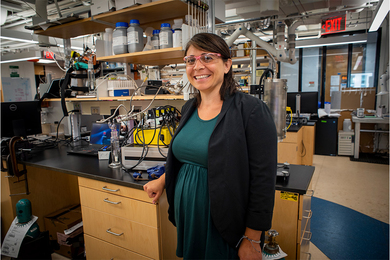
Desiree Plata's research focuses on developing technologies and strategies for environmental sustainability.
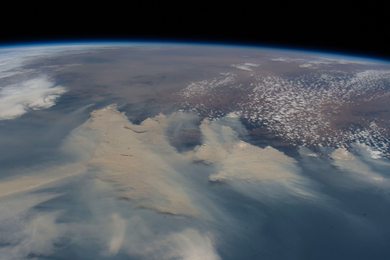
If wildfires become larger and more frequent, they might stall ozone recovery for years.

Arlene Fiore uses satellite data paired with ground observations to refine our understanding of ozone smog and interactions with meteorology and climate.
Fiore brings a breadth of expertise in climate science, atmospheric chemistry, and air pollution to MIT.
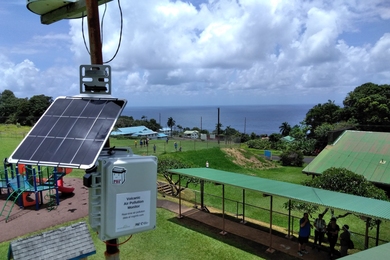
Study demonstrates the power of low-cost air quality sensors during volcanic eruption.

New results point to unexpected, illegal production of several CFCs in recent years.

As atmospheric concentrations of CFC-11 drop, the global ocean should become a source of the chemical by the middle of next century.
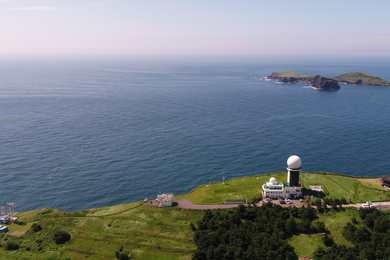
Scientists observe reduction in emissions of banned ozone-depleting chemical after unexpected spike.