
Waves that clear waste from the brain during sleep are impaired in older adults
Researchers now hope to investigate whether increasing the flow of cerebrospinal fluid during sleep could improve brain health.
Researchers now hope to investigate whether increasing the flow of cerebrospinal fluid during sleep could improve brain health.
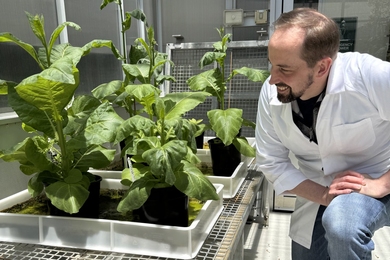
How the MIT Global Seed Funds helped Professor Matt Shoulders and his team build international collaborations that continue to shape his research more than a decade later.
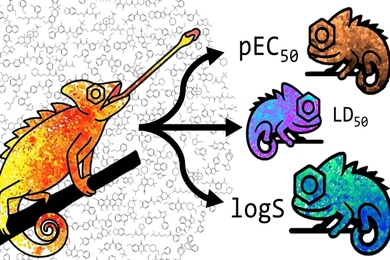
A machine-learning approach called CheMeleon provides a practical way to develop new drugs or other molecules with much less detailed, expensive experimentation.
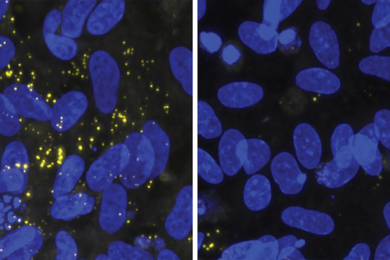
MIT researchers showed that the APOE4 gene variant suppresses molecular signaling needed for oligodendrocytes to myelinate neurons and also demonstrated a proof-of-concept fix.
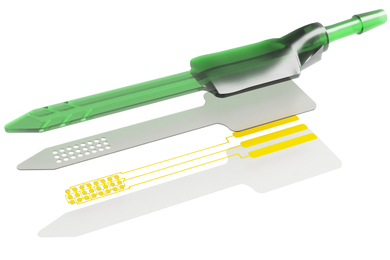
This targeted approach could offer a way to prevent the recurrence of aggressive brain tumors.
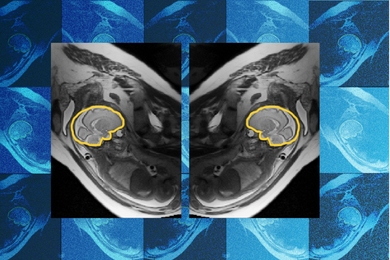
A model developed by researchers at MIT and Boston Children's Hospital adjusts scans on the fly to track fetal movement, potentially sparing families repeat hospital visits.
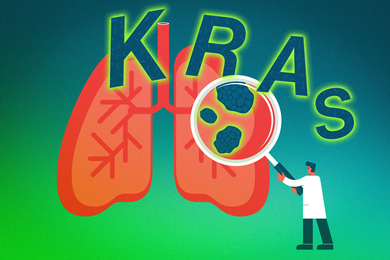
Some tumor cells develop resistance by amplifying the KRAS gene, while others change their tumor type, MIT researchers have found.
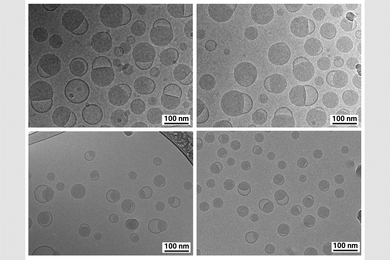
MIT chemical engineers found a way to rapidly produce lipid nanoparticles of varying sizes, which could make it easier to develop new vaccines and therapeutics.

They also found that obesity may put patients at higher risk for activation of the pathway. Drugs that block the pathway may help prevent metastasis.

Making a decision requires juggling a set of options without getting them confused or losing track of them. A new MIT study shows how neurons encode information to maximize clarity throughout the process.
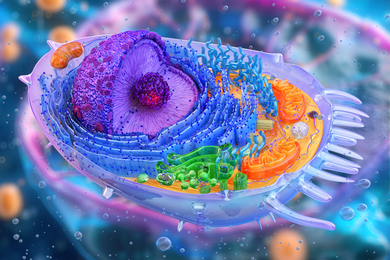
Tracking down senescent cells, which accumulate as we age, could help diagnose age-related disorders and guide researchers working on new treatments.
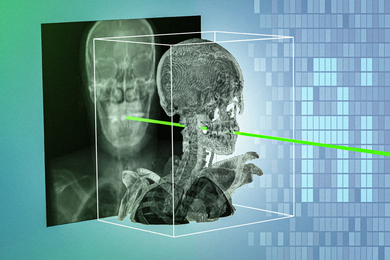
This patient-specific method, called xvr, helps doctors use X-rays for surgical navigation in fields such as orthopedics and neurosurgery.
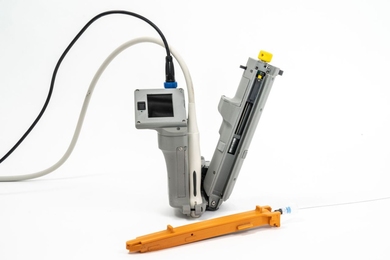
The handheld catheterization device AI-GUIDE, created by Lincoln Laboratory and Massachusetts General Hospital, promises improved health outcomes for injured service members and civilians.
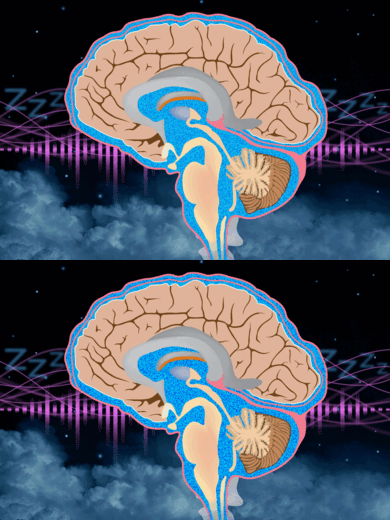
Delivered at just the right time, this type of auditory stimulus can strengthen the flow of cerebrospinal fluid, which clears debris from the brain and keeps it healthy.
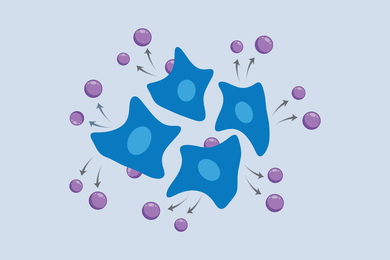
In the new method, cells package and export their RNA, enabling researchers to sequence and analyze the RNA without killing the cells.