
Tackling the housing shortage with robotic microfactories
Reframe Systems, co-founded by Vikas Enti SM '20, creates microfactories for modular home construction, reducing carbon emissions and costs.
Reframe Systems, co-founded by Vikas Enti SM '20, creates microfactories for modular home construction, reducing carbon emissions and costs.

In “Priority Technologies,” MIT faculty examine key areas of innovation that can drive American prosperity and security — now and in the decades ahead.
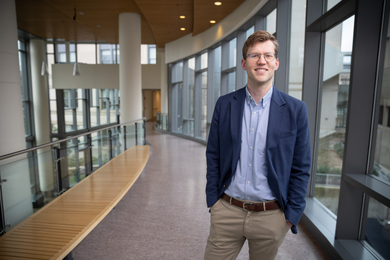
MIT economist Emil Verner’s historical detective work shows how banking-sector crises develop out of bad business practices.

Graduate engineering program is No. 1 in the nation; MIT Sloan is No. 6.
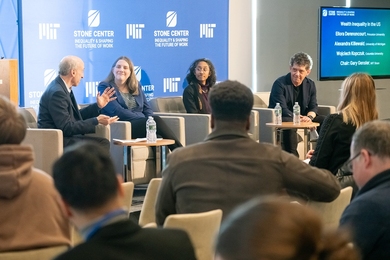
An MIT Stone Center event examined the origins, mechanisms, and political consequences of high inequality.
The Institute also ranks second in seven subject areas.

This award-winning startup with roots at the MIT Energy Initiative is developing lightweight, flexible, high-efficiency solar energy films designed to be used on roofs, walls, and any curved surface.
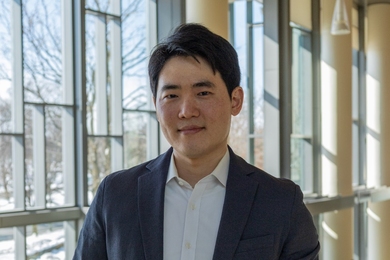
Sojun Park, a postdoc at the Center for International Studies, has learned much from his research on intellectual property as well as his interactions with students and mentors at MIT.

Operations research expert Dimitris Bertsimas delivered the annual Killian Lecture, providing a look at the past and future of his work.
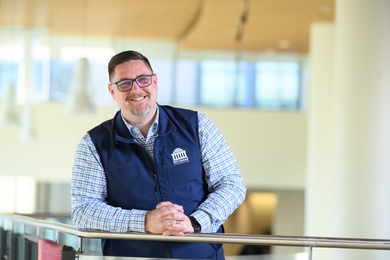
Navy veteran and EMBA student Greg Knutson is building the skills to develop uncrewed aircraft systems while pursuing innovation in advanced manufacturing.
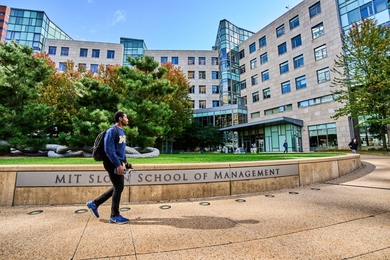
The school tops the list for the first time as MIT Sloan is recognized for preparing students to navigate today’s tech-driven workplaces.

Over 2,500 — including coaches and players from Team USA, the NBA, WNBA, and more — attended MIT’s industry-leading event, now in its 20th year.
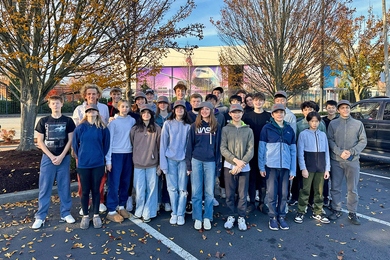
A collaboration between MIT’s Leaders for Global Operations, Boeing, and Engineering Tomorrow brings aspiring engineers from the classroom to the factory floor.
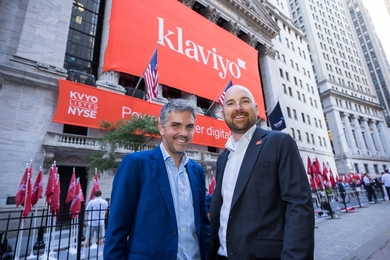
Ed Hallen MBA ’12 and Andrew Bialecki, co-founders of tech firm Klaviyo, will help to meet increased student demand for building impactful ventures.
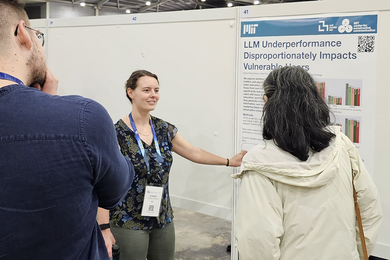
Research from the MIT Center for Constructive Communication finds leading AI models perform worse for users with lower English proficiency, less formal education, and non-US origins.