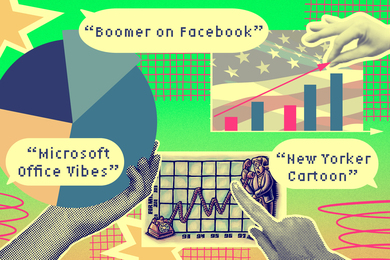
Charts can be social artifacts that communicate more than just data
Researchers find that design elements of data visualizations influence viewers’ assumptions about the source of the information and its trustworthiness.
Researchers find that design elements of data visualizations influence viewers’ assumptions about the source of the information and its trustworthiness.

How the MIT-IBM Watson AI Lab is shaping AI-sociotechnical systems for the future.
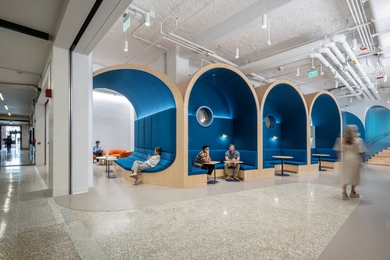
The Undergraduate Advising Center’s new home in Building 11 creates a bright, welcoming, and functional destination for MIT undergraduate students.
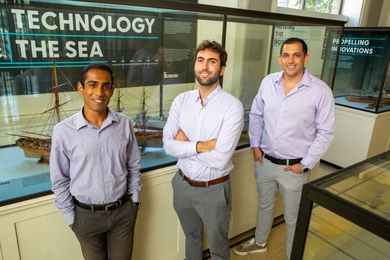
First-of-its-kind handbook serves as a guide for design safety for civilian nuclear ships.
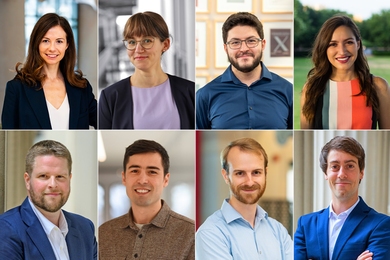
The newest MIT engineering faculty are conducting research across a diverse range of subject areas.
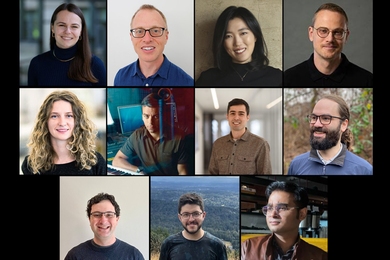
The faculty members occupy core computing and shared positions, bringing varied backgrounds and expertise to the MIT community.
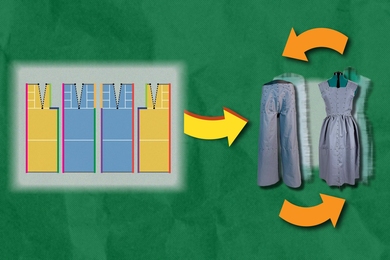
To reduce waste, the Refashion program helps users create outlines for adaptable clothing, such as pants that can be reconfigured into a dress. Each component of these pieces can be replaced, rearranged, or restyled.
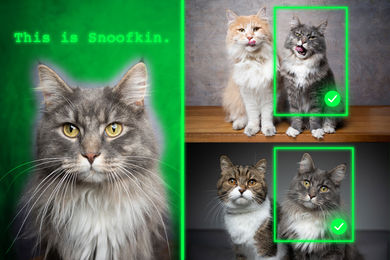
After being trained with this technique, vision-language models can better identify a unique item in a new scene.
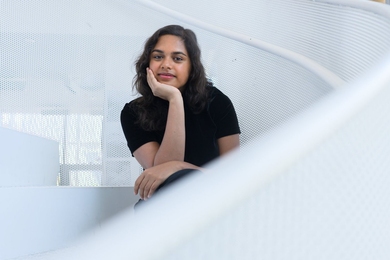
Media Lab PhD student Kimaya Lecamwasam researches how music can shape well-being.
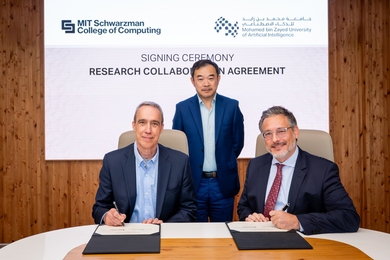
The MIT–MBZUAI Collaborative Research Program will unite faculty and students from both institutions to advance AI and accelerate its use in pressing scientific and societal challenges.
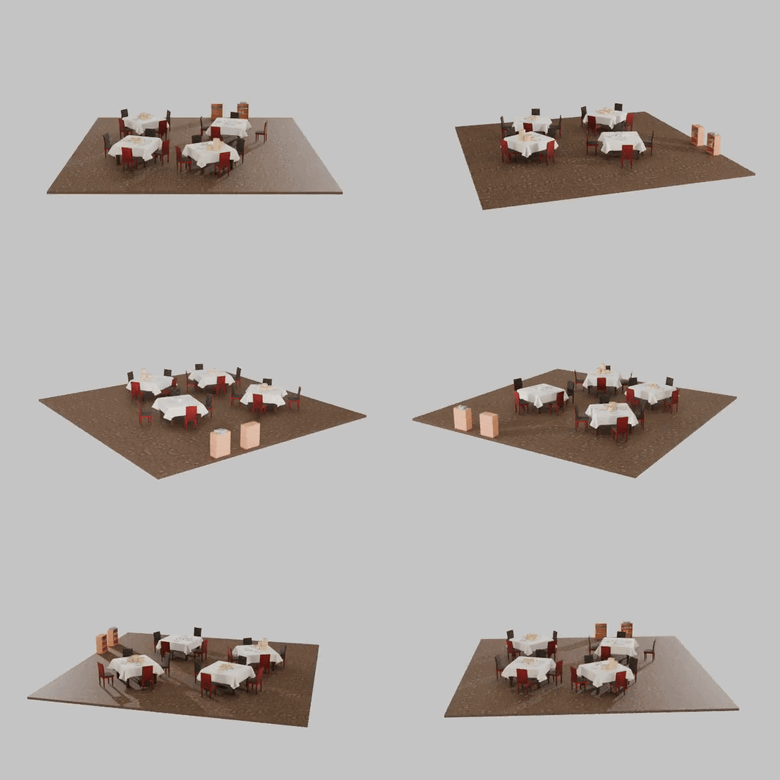
New tool from MIT CSAIL creates realistic virtual kitchens and living rooms where simulated robots can interact with models of real-world objects, scaling up training data for robot foundation models.
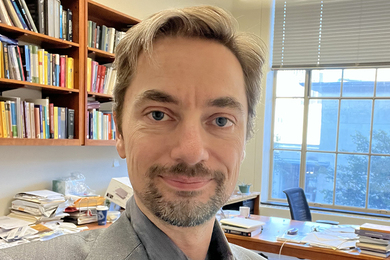
Applied mathematics professor will join fellow co-director Nicolas Hadjiconstantinou in leading the cross-cutting center.
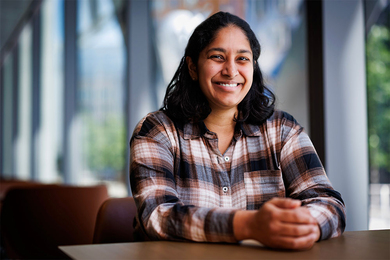
Assistant Professor Priya Donti’s research applies machine learning to optimize renewable energy.
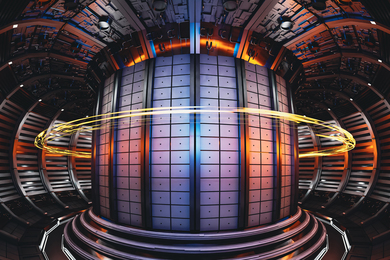
The approach combines physics and machine learning to avoid damaging disruptions when powering down tokamak fusion machines.

MIT CSAIL and McMaster researchers used a generative AI model to reveal how a narrow-spectrum antibiotic attacks disease-causing bacteria, speeding up a process that normally takes years.