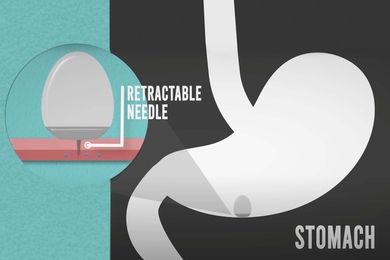
Drug delivery capsule could replace injections for protein drugs
The new pill can inject large quantities of monoclonal antibodies and other drugs into the lining of the stomach after being swallowed.
The new pill can inject large quantities of monoclonal antibodies and other drugs into the lining of the stomach after being swallowed.

Large-scale video campaign allowed physicians and public health messengers to encourage staying home over the 2020 holidays.
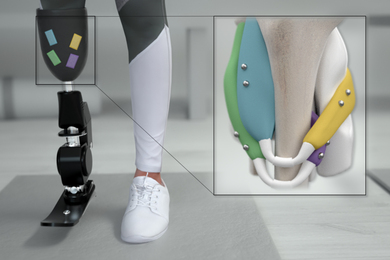
System uses tiny magnetic beads to rapidly measure the position of muscles and relay that information to a bionic prosthesis.
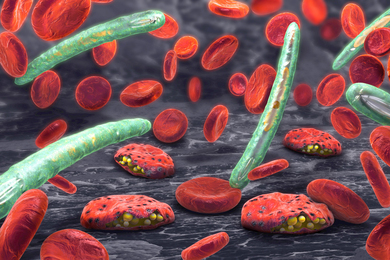
Blocking a key enzyme could kill parasites that have evolved resistance to existing drugs.
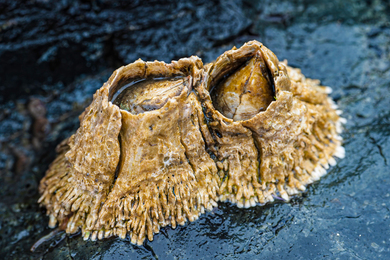
A new adhesive that mimics the sticky substance barnacles use to cling to rocks may offer a better way to treat traumatic injuries.
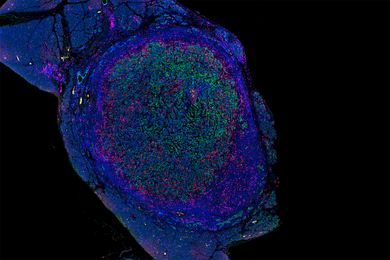
Researchers find three immunotherapy drugs given together can eliminate pancreatic tumors in mice.

A new study calculates the waste generated by N95 usage and suggests possible ways to reduce it.
Suono Bio, founded by two MIT professors and an alumnus, is using a proven technology to boost the treatment of gastrointestinal tract disorders.

Results suggest people of all races and political affiliations can be influenced with accurate and clear information conveyed by trusted experts, such as physicians.
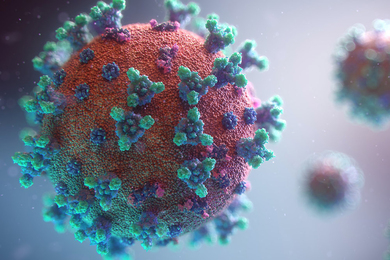
Four times faster than conventional PCR methods, new RADICA approach is highly specific, sensitive, and resistant to inhibitors.

How 3D-printed models of neuronal axons could accelerate development of new therapies to treat neurodegenerative disorders.
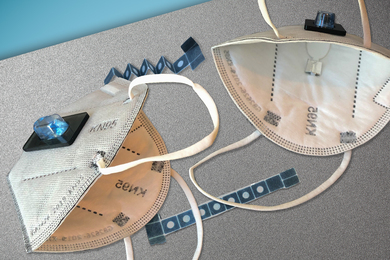
The sensor technology could also be used to create clothing that detects a variety of pathogens and other threats.
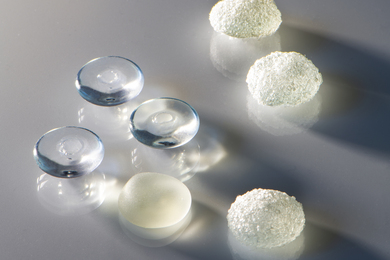
Implant surface topography can influence the development of scarring, inflammation, and other complications, researchers find.

Professor Laurie Boyer studies cardiac development, and how we might be able to mend broken hearts.
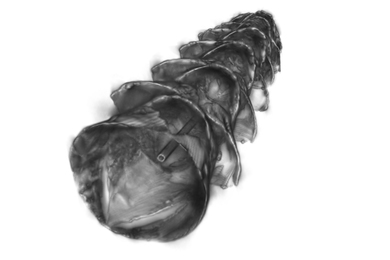
MIT engineers used kirigami-style etching to design a stent that can temporarily lodge in tubular organs to release drugs.