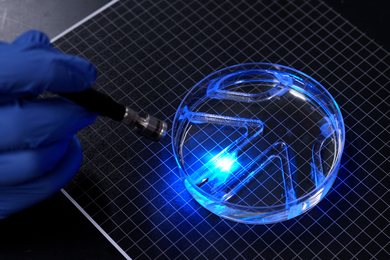
Powered by muscle cells, a paper-thin robot swims through watery maze
MIT engineers’ new aquabot offers a way to design small, efficient “biohybrid” robots.
MIT engineers’ new aquabot offers a way to design small, efficient “biohybrid” robots.
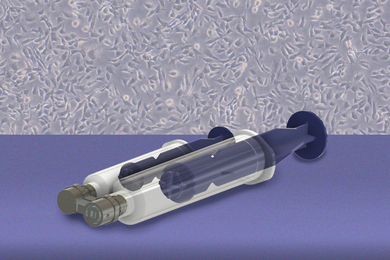
MIT researchers developed a handheld system that gently collects living cells from patient samples to aid cancer testing and development of personalized medicines.
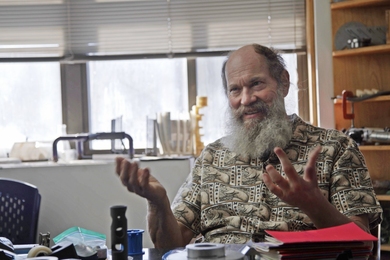
Precision, repeatability, and fun are the focus in mechanical engineering course 2.70 (Fundamentals of Precision Product Design).
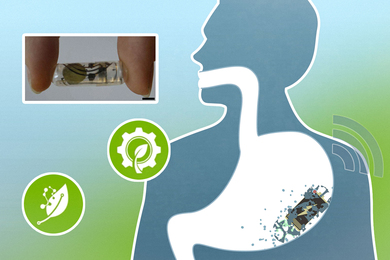
Made from “bioresorbable” materials, the new batteries could power capsules for drug delivery, sensing, and other applications.
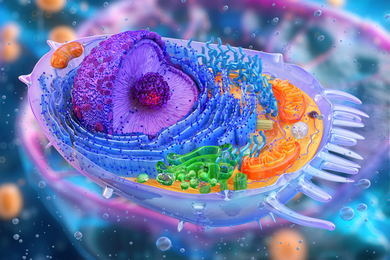
Tracking down senescent cells, which accumulate as we age, could help diagnose age-related disorders and guide researchers working on new treatments.

The Climate Grand Challenges “New World of Weather” project shows how modeling, planning tools, and infrastructure analysis are translating research into real-world resilience.
Faculty members and researchers were honored in recognition of their scholarship, service, and overall excellence.

The “HardFlow” algorithm could help generative AI models produce high-quality outputs that obey strict requirements when “pretty close” doesn’t cut it.
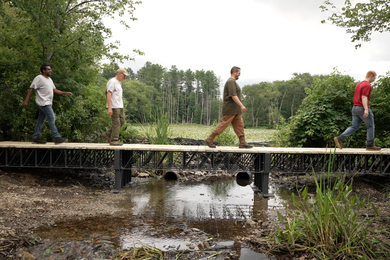
Atlas Building Composites is commercializing MIT research to turn plastic waste into parts for buildings and other infrastructure.
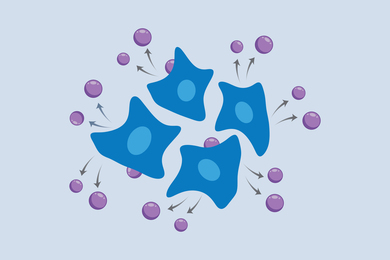
In the new method, cells package and export their RNA, enabling researchers to sequence and analyze the RNA without killing the cells.

The modified aircraft will support an ongoing US Air Force program to assess and enhance the survivability of air and space vehicles.
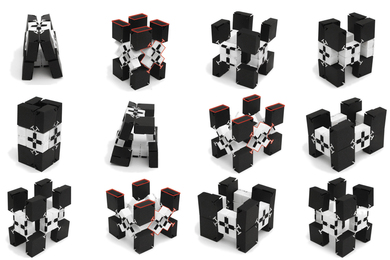
Dubbed “bifur-circuits,” these interactive building blocks could be used to develop reconfigurable robotic grippers or customized assistive devices.
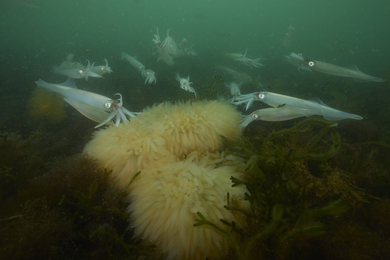
MIT Sea Grant resident artist and acclaimed underwater photographer Keith Ellenbogen captures an intimate look at courtship and communication in a hidden spawning spectacle off Cape Cod.

A new algorithm learns to anticipate the unprecedented scenarios that critical infrastructure and global supply chains are least prepared for.
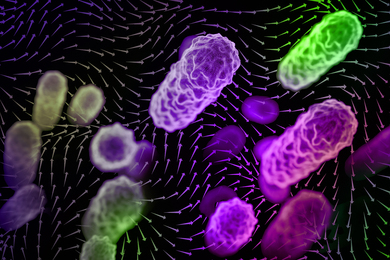
Researchers explore how a key factor can mitigate or promote tuberculosis transmission.