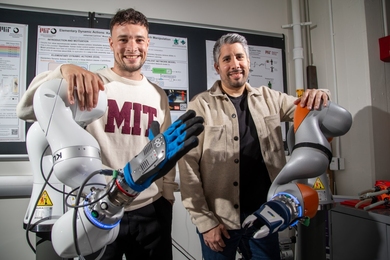
Personalized physical therapy: Stroke rehabilitation powered by AI
MIT engineers introduce an adaptive physical therapy system that uses generative AI to learn from physical therapists and interactively support stroke patients.
MIT engineers introduce an adaptive physical therapy system that uses generative AI to learn from physical therapists and interactively support stroke patients.

Members of the laboratory community reflect on technology impacts that shaped the United States and the world over the past 75 years.
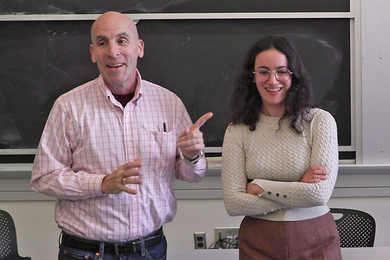
An MIT mechanical engineering course explores entrepreneurship through lessons and stories shared by alumni startup founders.
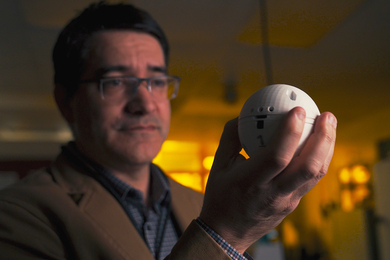
The “TOSSIT” device, developed at MIT Lincoln Laboratory, can warn service members and first responders of dangerous vapors and aerosols.
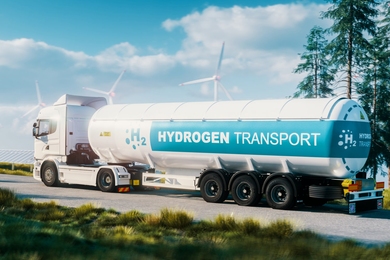
A team led by MIT Energy Initiative researchers developed the HyCAT tool, enabling decision-makers to explore the cost and carbon emissions of their options for shipping hydrogen fuel to their site.
The FUTUR-IC research program integrates electronics and photonics in microchip systems.
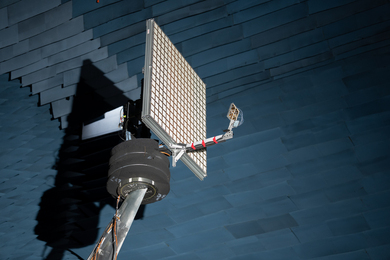
The prototype array uses a small, lightweight, low-power, and low-cost aperture.
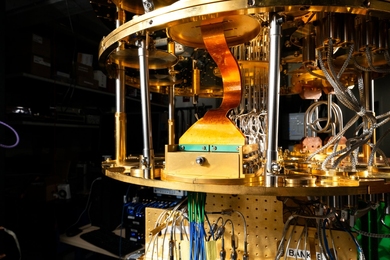
A prototype wiring system for dilution refrigerators could advance the realization of practical quantum computers.

A new study of the postwar U.S. shows which kinds of workers historically filled new tech-enabled jobs.
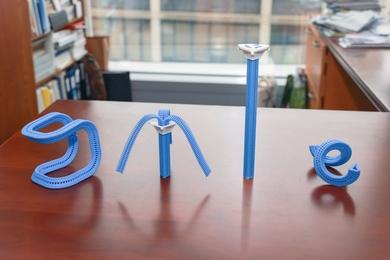
An old patent from MIT Professor Bill Freeman inspired the new “Y-zipper,” a three-sided fastener that snaps gear, robots, and art into shape at the push of a button.
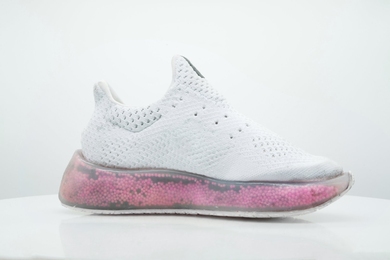
Associate Professor Skylar Tibbits discusses a new technology that uses granular convection to deliver individualized performance.

A chemical-free approach to balancing ocean acidity protects marine life and could dramatically impact the global aquaculture market.
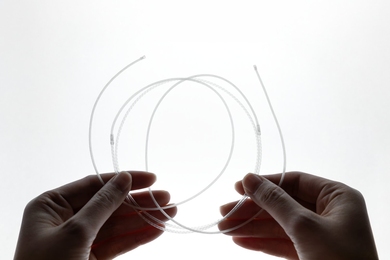
Electrofluidic fibers mimic how natural muscle fibers bundle, and could enable compact, silent robotic and prosthetic systems.
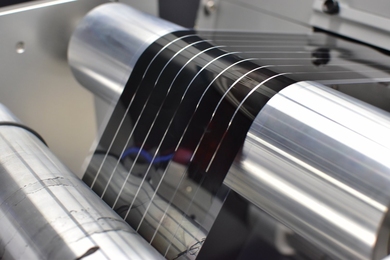
This award-winning startup with roots at the MIT Energy Initiative is developing lightweight, flexible, high-efficiency solar energy films designed to be used on roofs, walls, and any curved surface.

Geothermal innovators at MIT and elsewhere are seeking deeper and hotter rocks to generate electricity at scale.