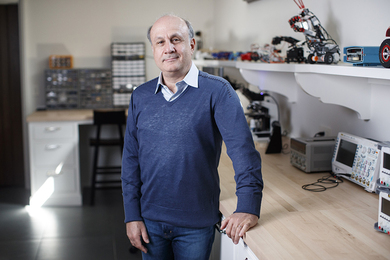
MIT welcomes David Siegel SM ’86, PhD ’91 as its next Innovation Fellow
Computer scientist, entrepreneur, and philanthropist will collaborate with the MIT Schwarzman College of Computing to advance AI and scientific discovery.
Computer scientist, entrepreneur, and philanthropist will collaborate with the MIT Schwarzman College of Computing to advance AI and scientific discovery.
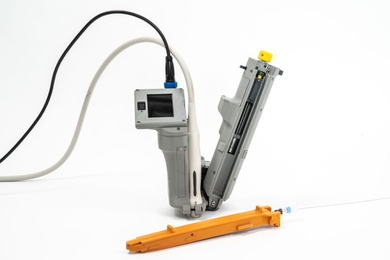
The handheld catheterization device AI-GUIDE, created by Lincoln Laboratory and Massachusetts General Hospital, promises improved health outcomes for injured service members and civilians.

The work is part of a multiyear effort to develop a distributed sensor network for relaying data collected from this critical region.

MIT affiliates engage with the MIT-IBM Computing Research Lab to bring rigorous theory to production systems.

The modified aircraft will support an ongoing US Air Force program to assess and enhance the survivability of air and space vehicles.

New MIT research could lead to better materials for a fossil-fuel-free process for making the chemical that's essential to fertilizer and other products.
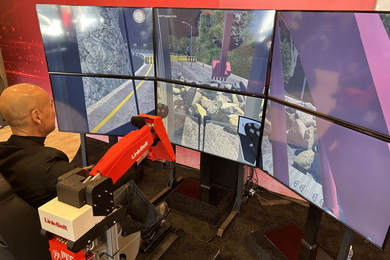
The new, more intuitive system could speed up the training process for excavator operators.
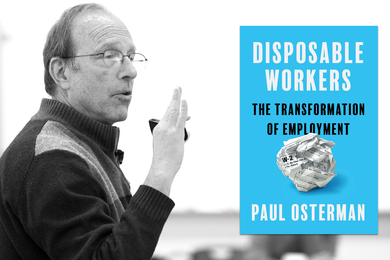
In a new book, Paul Osterman details his research finding more than one-third of the country’s workers are “disposable,” with little security or chance of job advancement.

Their new study aims to give budding industry a framework for understanding how fusion can be profitable.
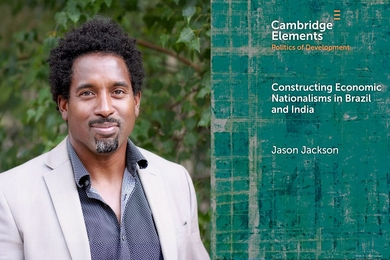
DUSP Associate Professor Jason Jackson’s latest book compares how two countries chose radically different paths to economic independence.
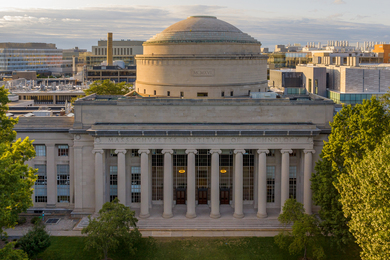
Initial research projects advance national priorities across natural resources, manufacturing, nuclear physics, and more.
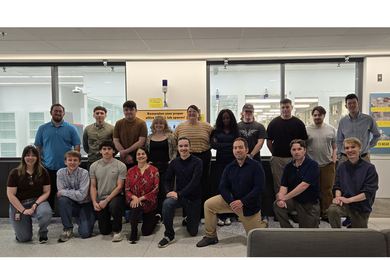
A hands-on boot camp teaches integrated photonics to community and four-year college students in the region.
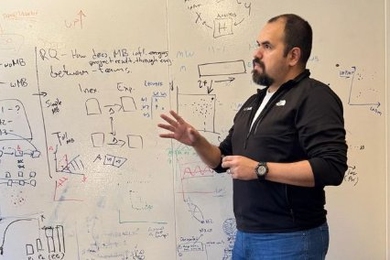
MIT Professional Education helped Ignacio Vazquez SM ’22 bridge technical mastery and strategic insight, leading to his role as MIT System Design and Management industry and certificate director.
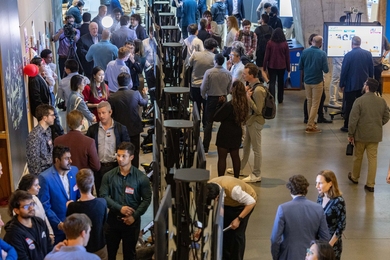
In its first year, INM has worked across research, workforce development, and industry engagement to help accelerate new manufacturing technologies and their real-world deployment.
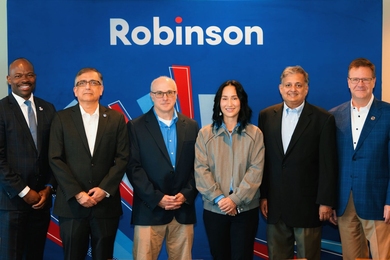
MIT RAISE and Georgia State University announce an initiative to connect universities, community colleges, industry, and government to expand industry-aligned AI training and career pathways.