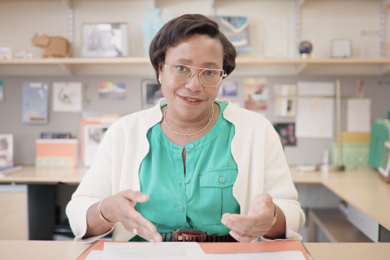
Featured video: An “MIT story” about an iconic professor
A new short film from MIT Open Learning explores the influential career of Institute Professor and School of Engineering Dean Paula Hammond.
A new short film from MIT Open Learning explores the influential career of Institute Professor and School of Engineering Dean Paula Hammond.
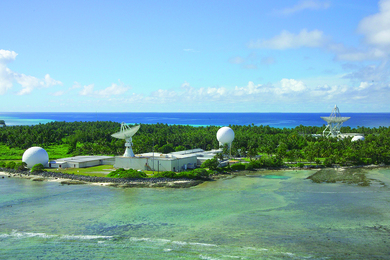
Members of the laboratory community reflect on technology impacts that shaped the United States and the world over the past 75 years.
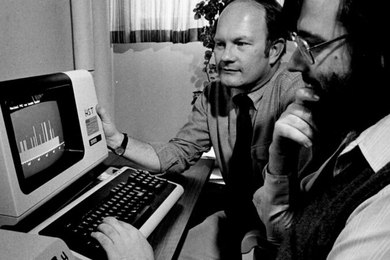
The visionary PhysioNet platform launched 25 years ago, based on a system developed at MIT in the 1970s. It has become one of the most comprehensive biomedical and clinical data repositories in existence.
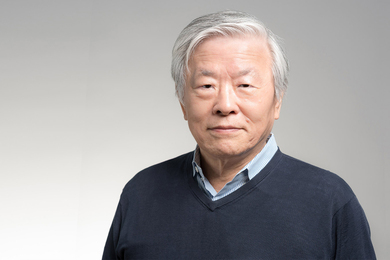
Tonegawa made landmark discoveries about how the immune system generates antibody diversity and how the brain forms memories.
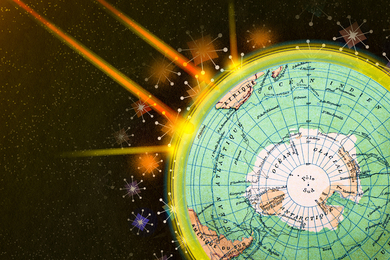
Using modern tools, they also determined that carbon tetrachloride, used as a dry-cleaning and degreasing agent as early as the 1930s, was at the root of early ozone loss.
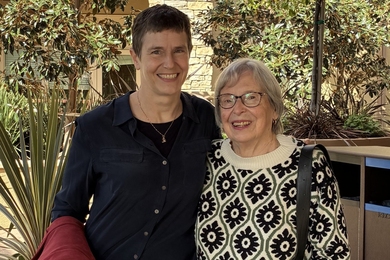
From Boston to Moscow and across the U.S., Harriet Latham Robinson SM ’61, PhD ’65 has balanced an exciting career at the forefront of molecular biology with family, friends, and adventure.
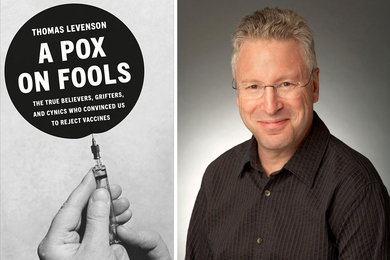
Thomas Levenson’s new book shows how arguments against vaccination reach back to the beginning of the technology itself.
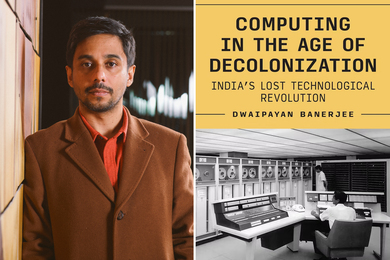
Associate Professor Dwai Banerjee’s new book examines the visionaries who wanted to turn India into a world power at making computers.
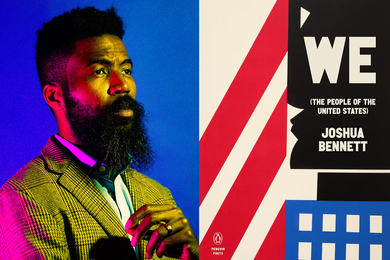
For the 250th anniversary of the US, Joshua Bennett’s epic poem set celebrates unexpected lives forged across the nation.
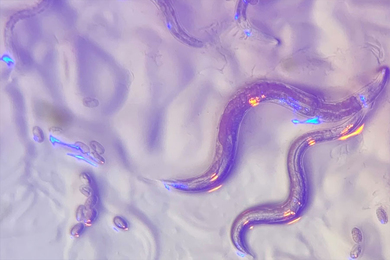
Time and again, an unassuming roundworm has illuminated aspects of biology with major consequences for human health.

A beloved member of the Department of Mechanical Engineering for nearly 60 years, Yannas helped save the lives of thousands of burn victims through his research and innovation.
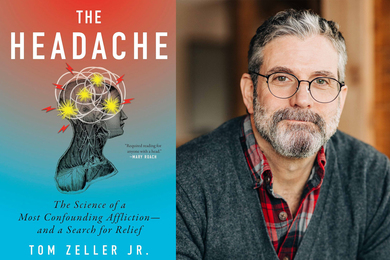
Tom Zeller’s new book, “The Headache,” sheds light on one of the world’s most confounding and agonizing ailments.

The longtime MIT professor and Nobel laureate was a globally respected researcher, academic leader, and science policy visionary who guided the careers of generations of scientists.
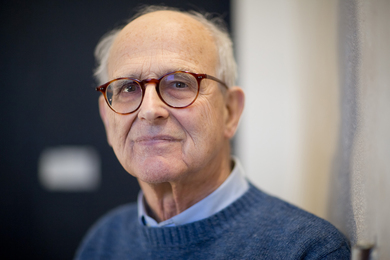
The longtime MIT professor shared a Nobel Prize for his role in developing the LIGO observatory and detecting gravitational waves.
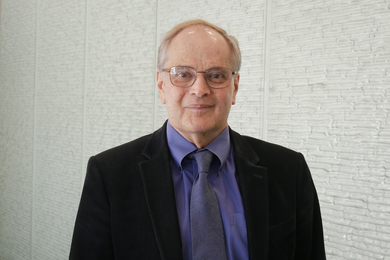
Over 50 years at MIT, the condensed-matter physicist led the development of photonic crystals, translating discoveries into wide-ranging applications in energy, medicine, and defense.