
Newfound gene may help bacteria survive in extreme environments
Resulting microbial lipids may also signify oxygen dips in Earth’s history.
Resulting microbial lipids may also signify oxygen dips in Earth’s history.

Findings suggest the surface of Saturn’s largest moon may have undergone a recent transformation.
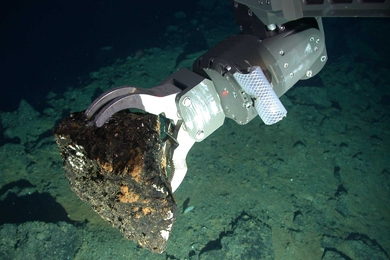

New MIT analysis shows there’s enough room to safely store at least a century’s worth of U.S. fossil fuel emissions.

Research supports theory that the moon’s molten core was likely sustained by an alternative power source.

Enormous volcanic eruptions may have triggered the worst extinction in Earth’s history.
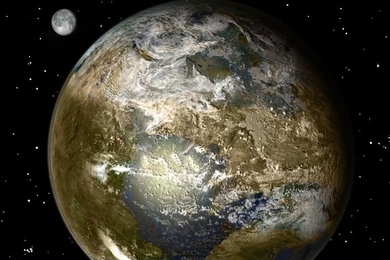
New evidence points to rapid collapse of Earth’s species 252 million years ago.
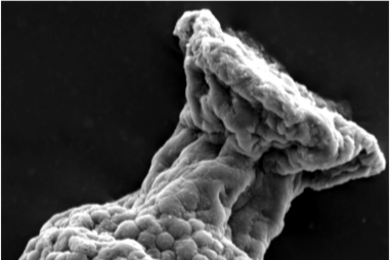

New model predicts maximum tree height across the United States; gives information about forest density, carbon storage.
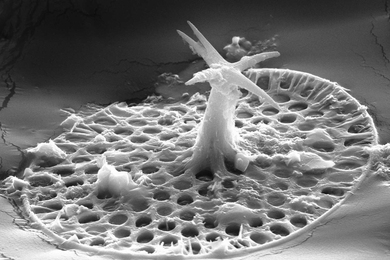

How do scientists measure jolts such as the recent disaster in Japan? Hint: They don’t use the Richter scale.
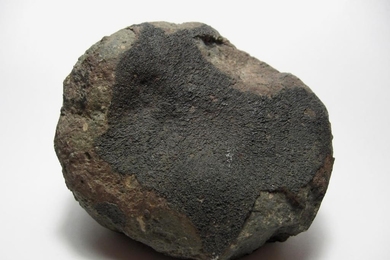
Partially molten small bodies may be abundant in space, and may have given the Earth its oceans.

In the wake of Japan’s largest earthquake, MIT scientists look for geological clues to explain its devastating magnitude

New tool allows unprecedented accuracy in dating of some seafloor rocks, with potential to help climate analysis.
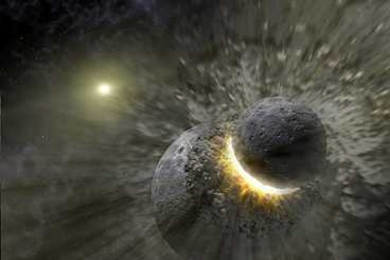
NASA team suggests that massive projectiles added mass to Earth, Mars and the Moon during final phase of planet formation