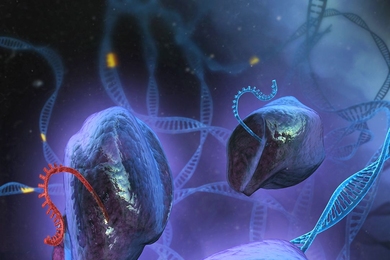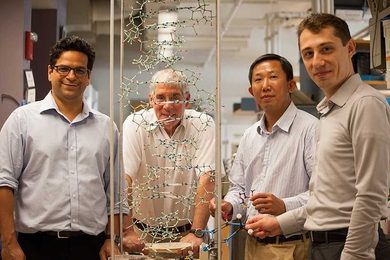
Forced mutations doom HIV
New study reveals how a potential HIV drug exacts its toll on viral populations.
New study reveals how a potential HIV drug exacts its toll on viral populations.
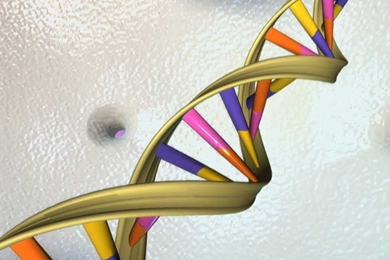
Political scientist discusses regulatory gaps in assessing the impact of “gene drives.”
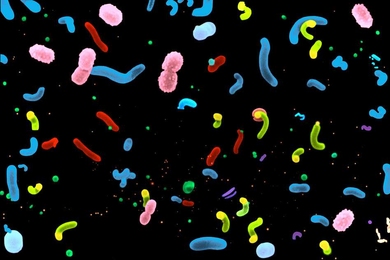
MIT study finds ocean bacteria follow predictable patterns of daily activity.
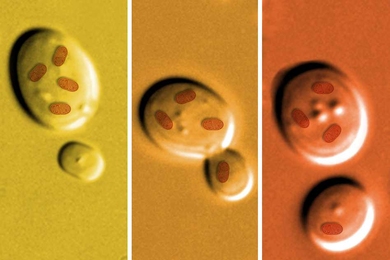
Genetic material hitchhiking in our cells may shape physical traits more than we thought.
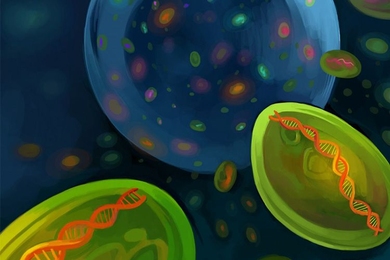
One species, a few drops of seawater, hundreds of coexisting subpopulations.
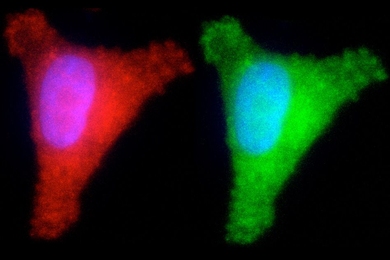
Test analyzing cells’ ability to fix different kinds of broken DNA could help doctors predict cancer risk.
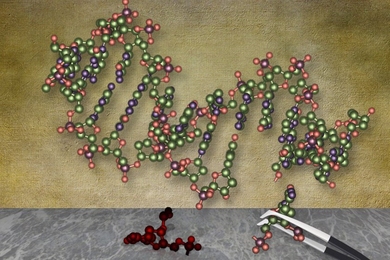
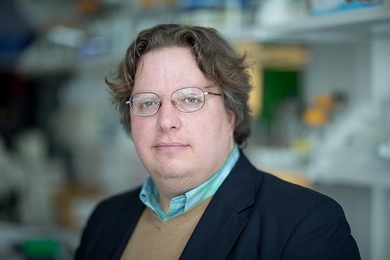
Michael Hemann seeks better ways to deploy chemotherapy drugs and overcome tumor resistance.
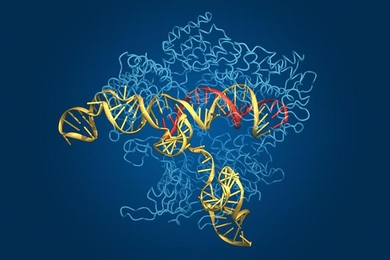
Work reveals how a genome-editing tool works to correct errors in the genetic code.
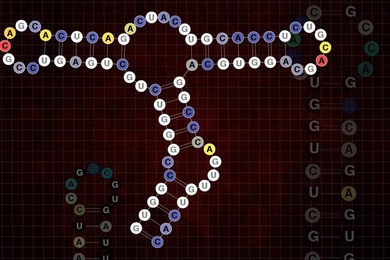
Computer models plus observations of RNA inside a cell help scientists home in on a short list of interesting RNA ‘machines.’
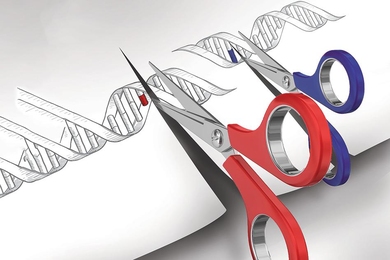
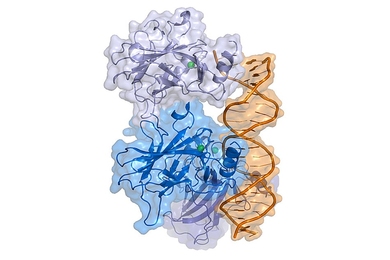
Drugs that block new target gene could make many tumors more vulnerable to chemotherapy.
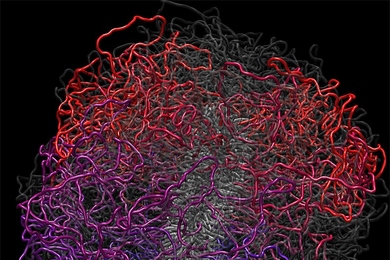
Scientists find that loops of DNA are key to tightly packing genetic material for cell division.
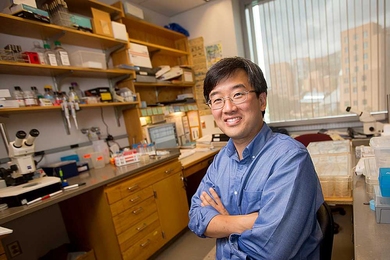
Biology professor Dennis Kim seeks to understand the physiology and evolution of host-microbe interactions by studying a simple worm.