
Atmospheric observations in China show rise in emissions of a potent greenhouse gas
Global warming potential of sulfur hexafluoride (SF6) is more than 24,000 times that of carbon dioxide.
Global warming potential of sulfur hexafluoride (SF6) is more than 24,000 times that of carbon dioxide.

Professor of applied economics Catherine Wolfram balances global energy demands and the pressing need for decarbonization.

A catalyst tethered by DNA boosts the efficiency of the electrochemical conversion of CO2 to CO, a building block for many chemical compounds.

At the 2024 MIT Energy Conference, participants grappled with the key challenges and trends shaping our fight to prevent the worst effects of climate change.

Too much livestock on a given amount of land can lead to carbon losses, but appropriate numbers can actually help sequester the carbon.
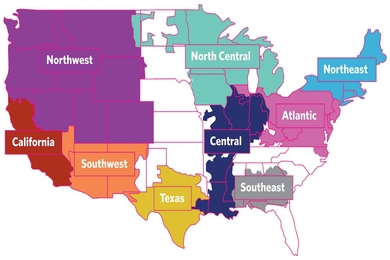
An online model enables users to calculate the least-cost strategy for a specific regional grid under various assumptions; outcomes vary widely from region to region.

Can carbon trading systems reduce global emissions, or are they little more than greenwashing? Clear, enforceable standards may make the difference.


The MIT Environmental Solutions Journalism Fellowship provides support to journalists dedicated to connecting local stories to broader climate contexts.

Scientists quantify a previously overlooked driver of human-related mercury emissions.
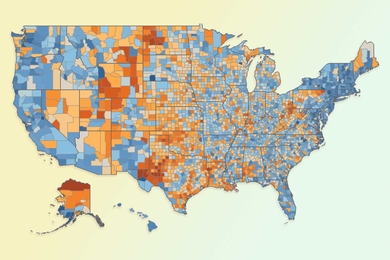
A county-by-county study shows where the U.S. job market will evolve most during the move to clean energy.

New Decarbonization Working Group will leverage member expertise to explore and assess existing and in-development solutions to decarbonize the MIT campus by 2050.
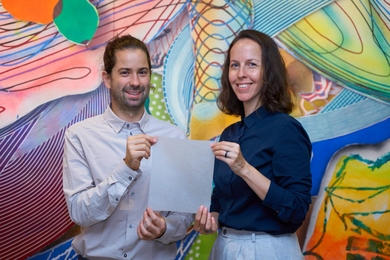
Atacama Biomaterials, co-founded by Paloma Gonzalez-Rojas SM ’15, PhD ’21, combines architecture, machine learning, and chemical engineering to create eco-friendly materials.

The technique could enable restoration efforts and doesn’t require labor-intensive onsite sampling.
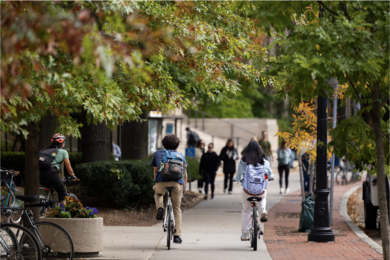
Series of 2030 quantitative campus impact goals aims to reduce emissions and inform and advance the Institute’s commitment to climate.