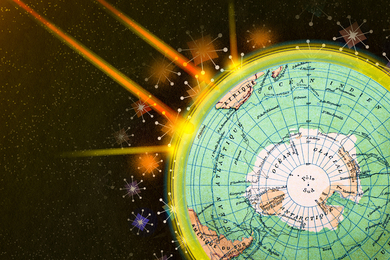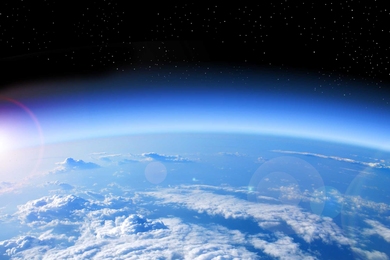
Scientists find ozone depletion began decades before discovery of ozone hole
Using modern tools, they also determined that carbon tetrachloride, used as a dry-cleaning and degreasing agent as early as the 1930s, was at the root of early ozone loss.
MIT researchers developed an approach for generating more buildable structures, bridging the gap between optimized design and real-world construction.
The MIT professor’s groundbreaking work on atmospheric chemistry helped lay steps towards recovery of the ozone layer and demonstrated the lasting impacts of carbon emissions on Earth’s climate.
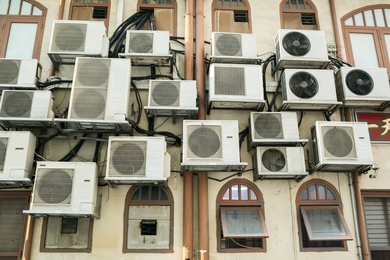
Low-cost personal cooling and emissions-free air conditioning among ideas studied with MIT’s Climate Project seed funding.
MIT researchers present a promising new approach to efficient, flexible carbon capture and removal.
Living Climate Futures Symposium explores climate challenges and solutions at the community level.
When it comes to emissions, individual driving patterns matter as much as how “green” the regional electricity mix is, MIT researchers report.
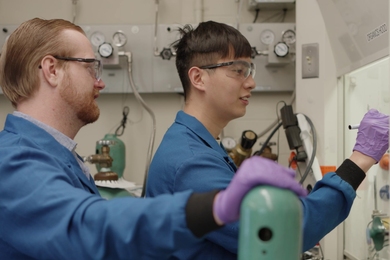
Scientists say an exception in the Montreal Protocol for the use of ozone-depleting feedstocks could set the ozone recovery back seven years.
Faculty member in civil and environmental engineering will advance research and entrepreneurial initiatives across the School of Engineering.
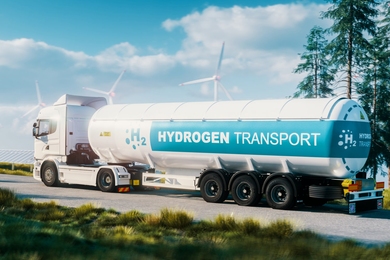
Co-founded by Dan Sobek ’88, SM ’92, PhD ’97, 1s1 Energy has developed electrochemical cell materials for hydrogen electrolyzers that it says reduces energy use by 30 percent.
A new study pieces together existing data sources in order to develop a detailed, dynamic picture of auto emissions.
A new model shows how levels of the “atmosphere’s detergent” may rise and fall in response to climate change.
PhD student Audrey Parker studies methane mitigation strategies in dairy farms and coal mines, to reduce emissions of the potent greenhouse gas.
New research by MIT geophysicists could assist efforts to remove carbon from the atmosphere and store it underground.
In research that could help elucidate humans’ role in global warming, scientists showed how three major natural events impacted global atmospheric temperatures.