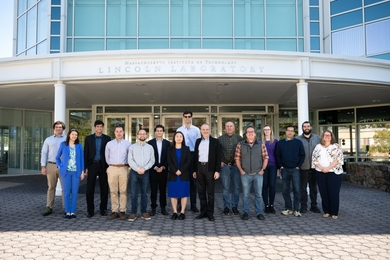
Three Lincoln Laboratory technologies receive 2026 R&D 100 Awards
A secure operating system, a quantum microsystem platform, and a 5G interference-canceling algorithm are named among the year's most significant innovations.
A secure operating system, a quantum microsystem platform, and a 5G interference-canceling algorithm are named among the year's most significant innovations.

Awarded up to $38 million from ARPA-H, the team aims to create a low-power, noninvasive sensor patch that measures heart failure and sepsis biomarkers in real-time.
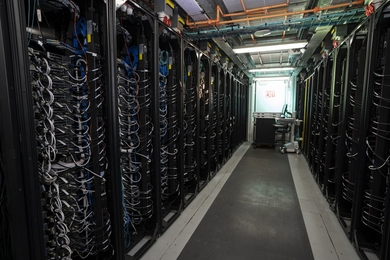
An ongoing survey tracks the latest AI accelerator systems to keep hardware relevant for Lincoln Laboratory staff and sponsors.
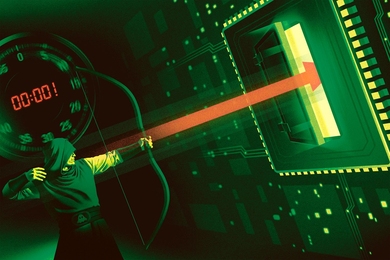
MIT CSAIL researchers found a way to exploit a split-second gap in chip security — and used it to acquire a Linux system’s password file.
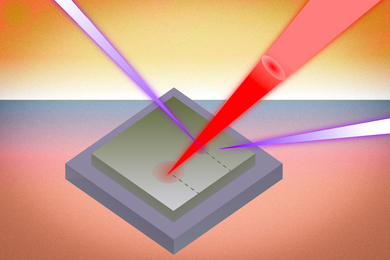
MIT researchers can now precisely measure how heat moves through multilayered materials like computer chips.
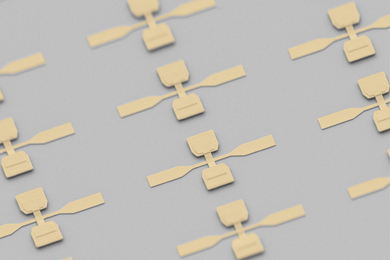
A new fabrication platform integrates molecules into electronic devices, opening the door to emerging computing technologies.
The FUTUR-IC research program integrates electronics and photonics in microchip systems.
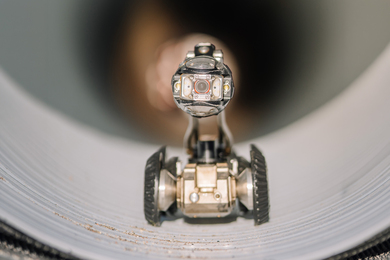
Researchers combined an efficient algorithm with dedicated hardware to rapidly generate 3D maps for navigation using minimal memory and power.
A new kernel called Fractal gives researchers a cleaner view of what’s happening inside a processor, and has already surfaced previously unknown behavior in Apple’s M1.
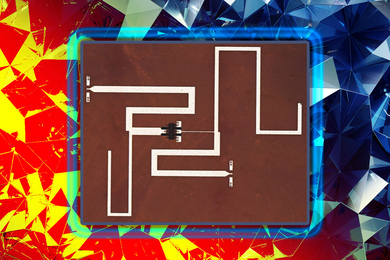
By using a thin layer of diamond to manage excessive heat, researchers can boost the speed and energy-efficiency of next-generation wireless devices.
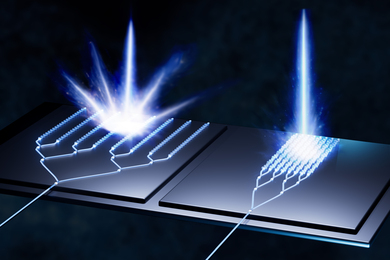
With a novel design, MIT researchers overcame a stubborn problem that has limited the effectiveness of chip-based systems for lidar.
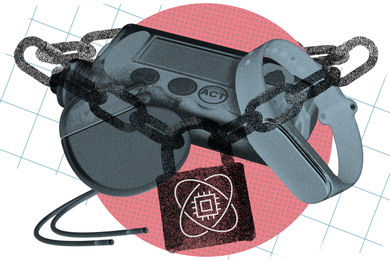
Ultra-efficient chip design enables extremely strong cryptography algorithms to run on energy-constrained edge devices.
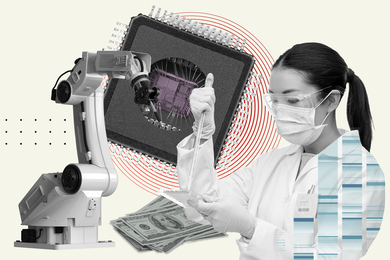
In “Priority Technologies,” MIT faculty examine key areas of innovation that can drive American prosperity and security — now and in the decades ahead.
By enabling two chips to authenticate each other using a shared fingerprint, this technique can improve privacy and energy efficiency.

New technique could improve the scalability of trapped-ion quantum computers, an essential step toward making them practically useful.