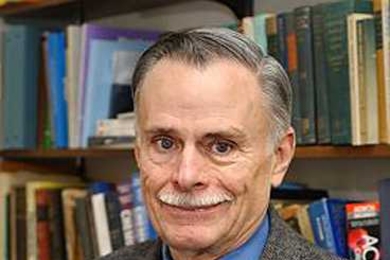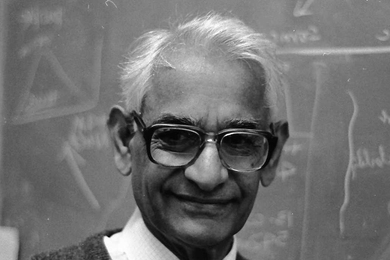
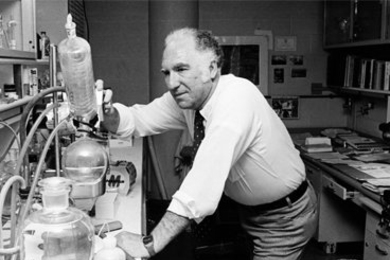
Gobind Khorana, MIT professor emeritus, dies at 89
Nobel-winning biochemist made seminal contributions to genetics, was a loyal teacher and mentor.
Nobel-winning biochemist made seminal contributions to genetics, was a loyal teacher and mentor.
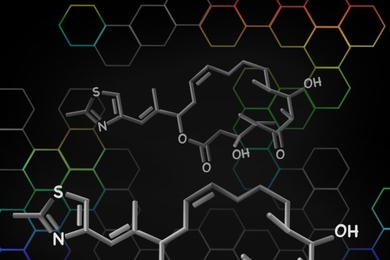
New catalyst offers greater control over the synthesis of organic cyclic compounds, including potential cancer drugs.

MIT researchers provide a simple principle to predict which materials will perform best in fuel cells and metal air batteries.
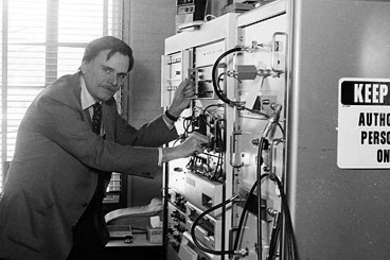
MIT chemist John Waugh made NMR spectroscopy an indispensable tool for studying proteins and other large molecules.
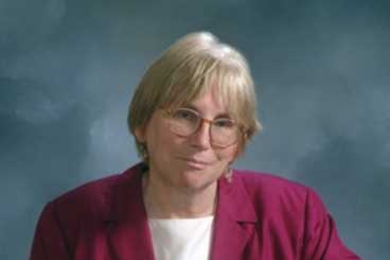
Honor recognizes extraordinary professional accomplishment; winner delivers lecture in the spring

Recognize service that reflects the civil rights leader’s ideals
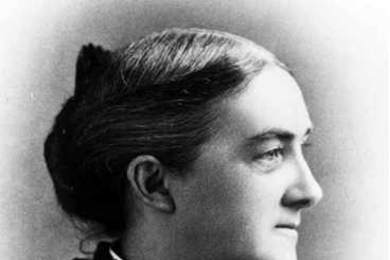
Ellen Swallow Richards, MIT’s first female graduate and faculty member, opened the door for women in science, and founded ecology and home economics along the way.
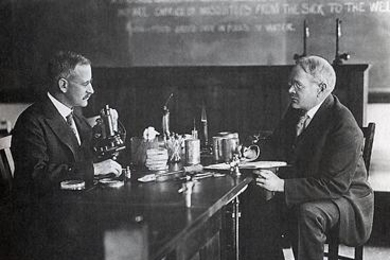
More than 100 years ago, 2 pioneering scientists figured out how to keep canned food safe.
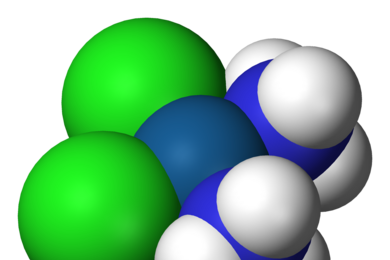
The new nanoparticle, which delivers the drug in a form activated when it reaches its target, also treats tumors more effectively than the unadorned drug in mice.
Toxicologist Gerald Wogan has dedicated his career to understanding — and fighting — a deadly carcinogen.

MIT analysis shows how synthetic systems for capturing the sun’s energy could be made more efficient.

MIT chemists engineer the periwinkle plant to produce compounds that could become more effective cancer drugs.