
Biologists identify a cellular pathway that allows colorectal cancer to metastasize
They also found that obesity may put patients at higher risk for activation of the pathway. Drugs that block the pathway may help prevent metastasis.
They also found that obesity may put patients at higher risk for activation of the pathway. Drugs that block the pathway may help prevent metastasis.
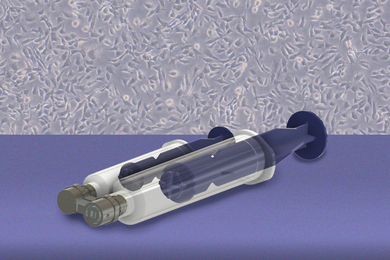
MIT researchers developed a handheld system that gently collects living cells from patient samples to aid cancer testing and development of personalized medicines.
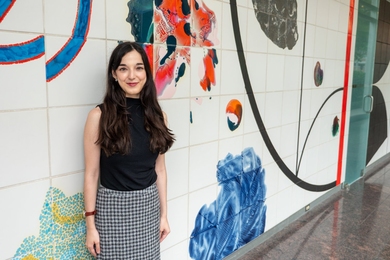
This summer, BSG-MSRP-Bio student Marina Milea investigated how lung cancers become resistant to targeted therapies, gaining hands-on research experience in the Jacks Lab at the Koch Institute.
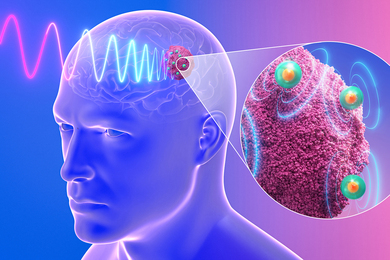
MIT researchers show implanted nanoantennas can be activated wirelessly to kill brain cancer cells without damage to healthy tissue.
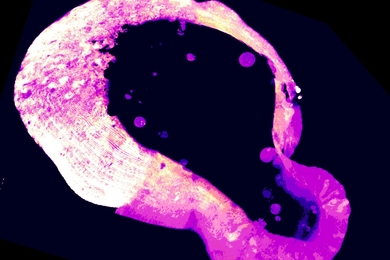
This discovery points toward new combination strategies against cancer, and may explain the iron buildup seen in disorders such as early-onset Parkinson’s disease.
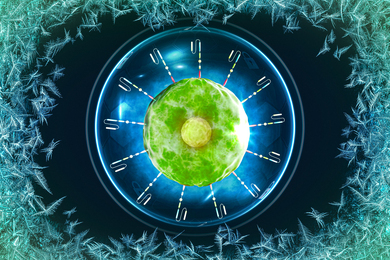
MIT researchers’ approach, which uses naturally occurring sugars as antifreeze, could make it easier for hospitals to deploy this type of cancer treatment.
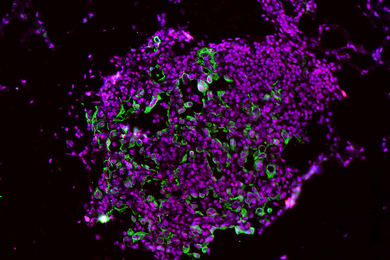
A new study by MIT researchers shows that inhibiting caspase-1 can reduce the risk of tumor growth.

MIT researchers discovered a cellular dance that may offer clues to the development of cancer, asthma, and other diseases.

A new short film from MIT Open Learning explores the influential career of Institute Professor and School of Engineering Dean Paula Hammond.
Derived from patient tumor samples and available to researchers around the world, the cells will aid the development of new cancer treatments.

MIT researchers have found that a ketogenic high-fat, low-carbohydrate diet fuels the growth of intestinal tumors.
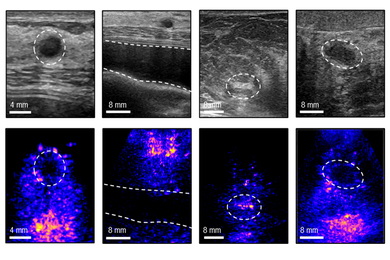
The new technology, which generates high-resolution, 3D images of breast tissue, requires no expertise to operate and could be used at home.
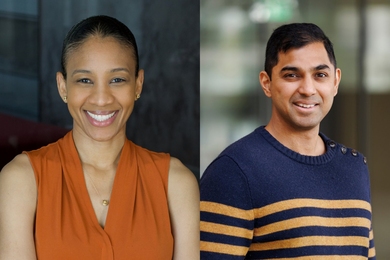
Cell biologist Whitney Henry and immunologist Harikesh Wong will receive four years of flexible funding to advance early-career research on ferroptosis and immune decision-making.
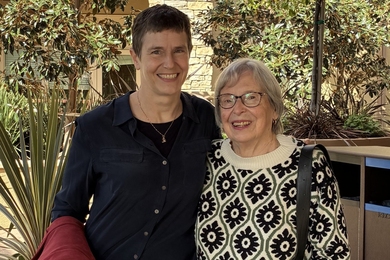
From Boston to Moscow and across the U.S., Harriet Latham Robinson SM ’61, PhD ’65 has balanced an exciting career at the forefront of molecular biology with family, friends, and adventure.

MIT researchers have designed an ultrasound system that creates a real-time 3D representation of the object being imaged.