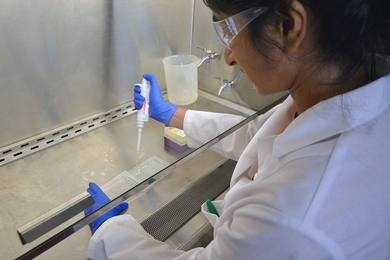
MIT researchers prove fast microbial evolutionary bursts exist
Study reveals closely related microbes can diversify rapidly via horizontal gene transfer.
Study reveals closely related microbes can diversify rapidly via horizontal gene transfer.

Biologists have discovered how an enigmatic type of RNA helps to control cell fate.
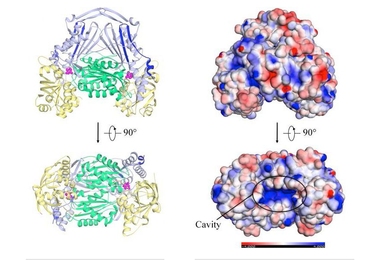
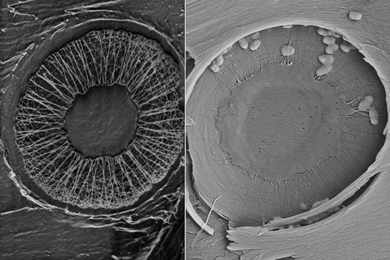
Four new projects and one renewal receive $150,000 in funding for 2016-2017.
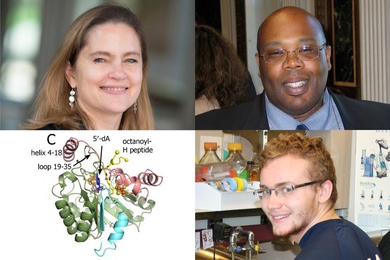
Study finds enzyme “cannibalizes” itself to perform an essential reaction.

PhD student Tim Wang uses CRISPR to take a big-picture approach to cancer research.
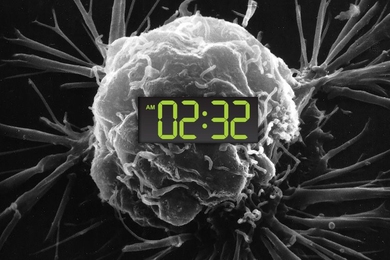
New study reveals a link between circadian clock disruption and tumor growth.

Biologists find a possible explanation for why the drug helps bipolar patients.
Tests in mice show the vaccines work against Ebola, influenza, and a common parasite.

Report calls for more integration of physical, life sciences for needed advances in biomedical research.
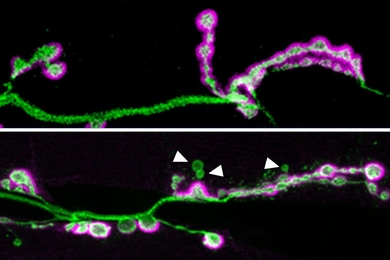
Loss of Shank gene prevents neuronal synapses from properly maturing.
![“When I came to [MIT’s Campus Preview Weekend], I was just blown away by how everybody was so into whatever they were doing,” Maiko Kitaoka says. “I love that atmosphere.”](/sites/default/files/styles/term_page__news_article/public/images/201605/MIT-Maiko-Kitaoka-A1.jpg?itok=U-pjgQVE)
Once an aspiring ballerina, the MIT senior now studies the earliest stages of life.

Biologist honored for his scientific leadership, pioneering work in genomics, and inspiring teaching.

Study identifies new gene variants that may be targets for treating arrhythmia.

Chakraborty, Lynch, Ploegh, and Sabatini honored for research achievements.