Department
Biological Engineering
Hacking apparel becomes lucrative business for alumni
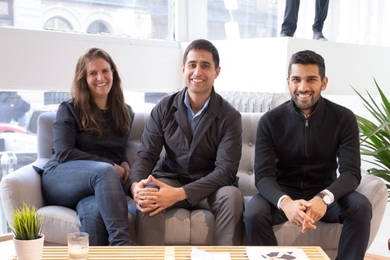
Clothing tinkerers innovate fashion with science-based performance dresswear and 3-D knitting.
Deploying therapeutic payloads to cells
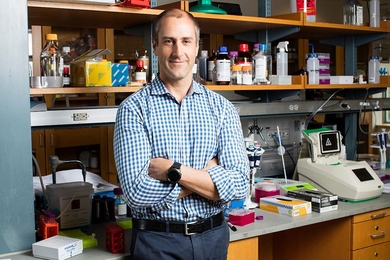
Mark Bathe develops molecular packages for targeted delivery of drugs, vaccines, and gene-editing tools.
A noninvasive method for deep brain stimulation
Electrodes placed on the scalp could help patients with brain diseases.
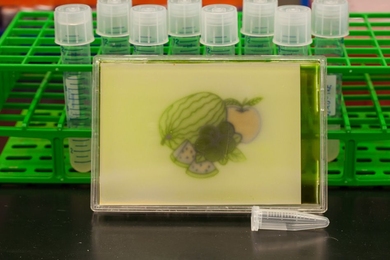
Bacteria with multicolor vision
Red, green, and blue light can be used to control gene expression in engineered E. coli.
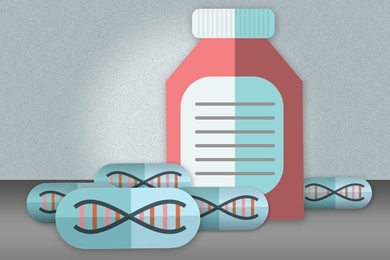
Speeding up quality control for biologics
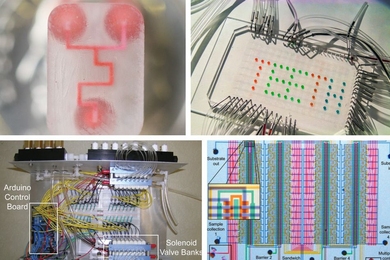
Nanofluidic device enables rapid testing of protein drugs produced by living cells.
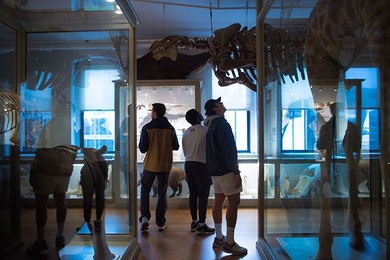
Entering the animal world
In a history seminar, engineering students explore shifting ideas about animal intelligence and human uses of animals throughout the ages.
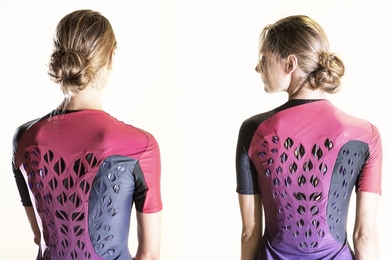
Researchers design moisture-responsive workout suit
Ventilating flaps lined with live cells open and close in response to an athlete’s sweat.


J-WAFS awards $1.4 million in third round of seed grant funding
Principal investigators will receive grants of up to $200,000 per year for two years, overhead free, for innovative research on food and water challenges.
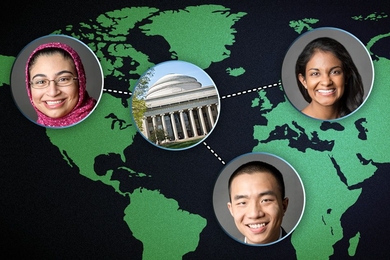
Three MIT alumni win 2017 Paul and Daisy Soros Fellowships for New Americans
Fellowship funds graduate school studies for exceptional immigrants and children of immigrants.
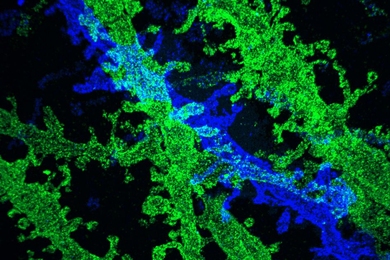
High-resolution imaging with conventional microscopes
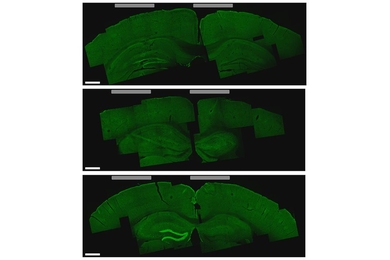
Tissue-expansion technique could allow scientists to map brain circuits.
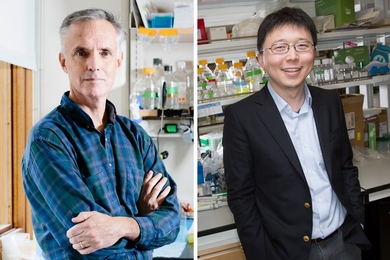
Scientists unveil CRISPR-based diagnostic platform
New system adapts tool known for gene editing; to be used in rapid, inexpensive disease diagnosis.
Eleven from MIT elected to American Academy of Arts and Sciences for 2017
Prestigious honor society announces 228 new members this year.
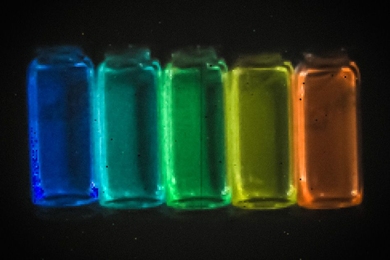
Nanoparticles open new window for biological imaging
“Quantum dots” that emit infrared light enable highly detailed images of internal body structures.