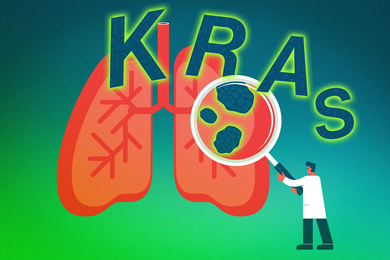
Lung cancers can use two different mechanisms to evade KRAS-inhibiting drugs
Some tumor cells develop resistance by amplifying the KRAS gene, while others change their tumor type, MIT researchers have found.
Some tumor cells develop resistance by amplifying the KRAS gene, while others change their tumor type, MIT researchers have found.
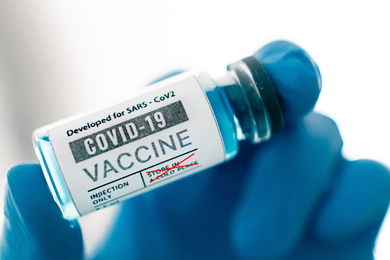
MIT engineers have found a way to stabilize the lipid nanoparticles used to deliver RNA vaccines, which could allow the vaccines to be more widely distributed.
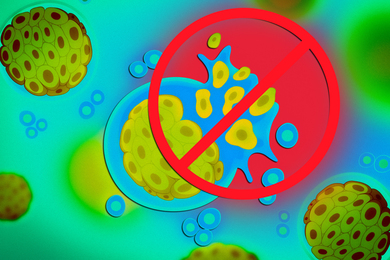
They also found that obesity may put patients at higher risk for activation of the pathway. Drugs that block the pathway may help prevent metastasis.
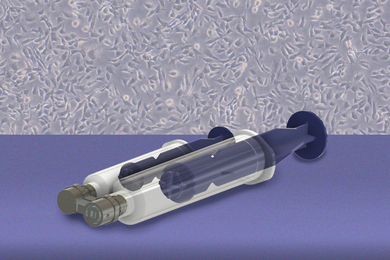
MIT researchers developed a handheld system that gently collects living cells from patient samples to aid cancer testing and development of personalized medicines.

This summer, BSG-MSRP-Bio student Marina Milea investigated how lung cancers become resistant to targeted therapies, gaining hands-on research experience in the Jacks Lab at the Koch Institute.
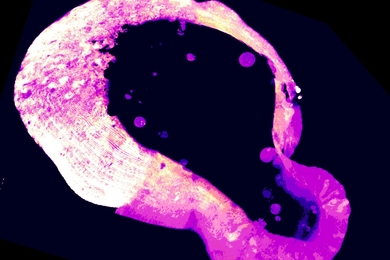
This discovery points toward new combination strategies against cancer, and may explain the iron buildup seen in disorders such as early-onset Parkinson’s disease.
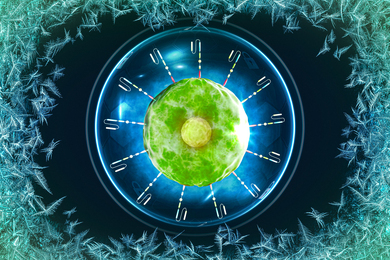
MIT researchers’ approach, which uses naturally occurring sugars as antifreeze, could make it easier for hospitals to deploy this type of cancer treatment.
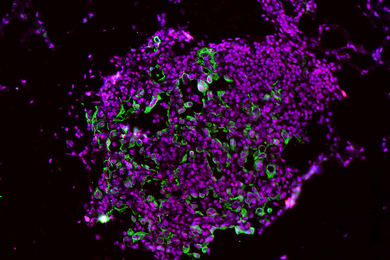
A new study by MIT researchers shows that inhibiting caspase-1 can reduce the risk of tumor growth.
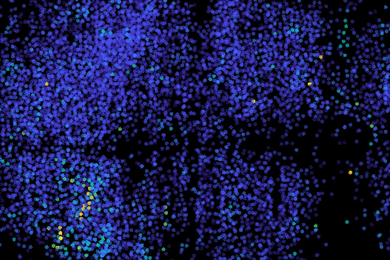
The new technique could help scientists learn how the entire brain works to generate decisions and emotions.
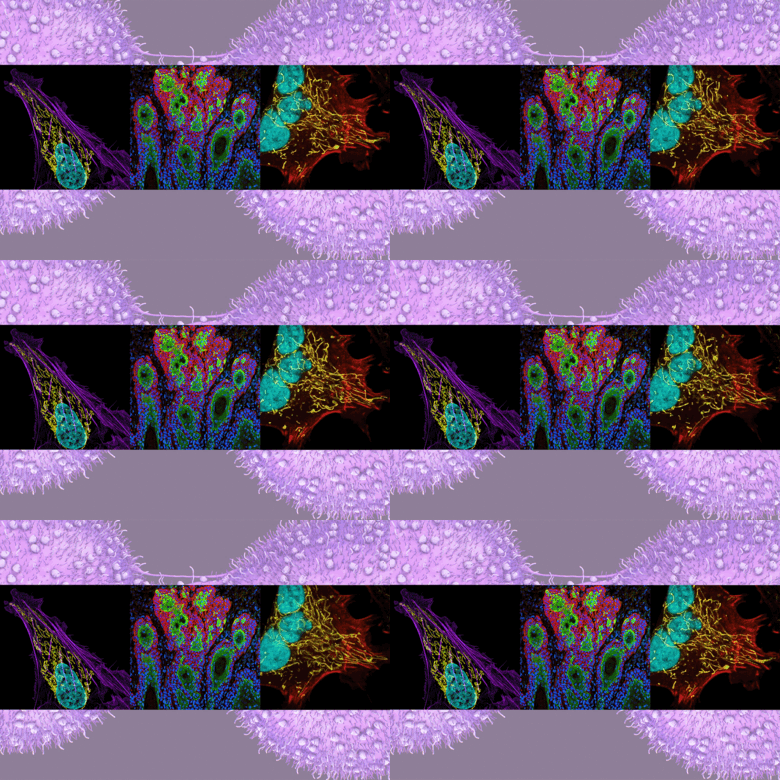
Derived from patient tumor samples and available to researchers around the world, the cells will aid the development of new cancer treatments.

Tonegawa made landmark discoveries about how the immune system generates antibody diversity and how the brain forms memories.

MIT researchers have found that a ketogenic high-fat, low-carbohydrate diet fuels the growth of intestinal tumors.

Cell biologist Whitney Henry and immunologist Harikesh Wong will receive four years of flexible funding to advance early-career research on ferroptosis and immune decision-making.

How the program's biggest fans came full circle and took the helm.
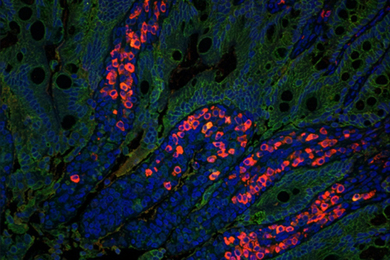
The adjuvant can help the injectable polio vaccine induce a strong immune response in the GI tract, which is considered critical to eradicating the virus.