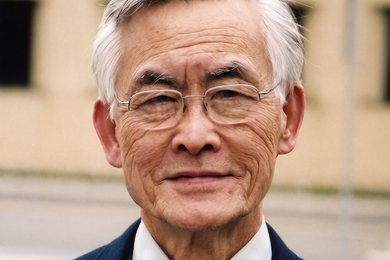
Retired aerospace executive Norman Augustine will discuss the report he chaired on “The Future of Human Spaceflight” in Bartos Theatre (Building E15), on Friday, Dec. 11 from 9-10:30 a.m. In June 2009, NASA created the Review of U.S. Human Space Flight Plans Committee and charged it with conducting "an independent review of ongoing U.S. human space flight plans and programs, as well as alternatives, to ensure the Nation is pursuing the best trajectory for the future of human space flight.” Augustine was named committee chairman, and the group presented its report in October 2009. The report said America’s human spaceflight program appeared to be on an “unsustainable trajectory” and was “perpetuating the perilous practice of pursuing goals that do not match allocated resources." Today’s forum will be moderated by David A. Mindell, a professor in the Program in Science, Technology, and Society; and will include Department of Aeronautics and Astronautics professor Edward Crawley, a member of the Review of U.S. Human Spaceflight Plans Committee; John Logsdon, professor emeritus of political science and international affairs at George Washington University; and Asif Siddiqi, assistant professor of history at Fordham University.