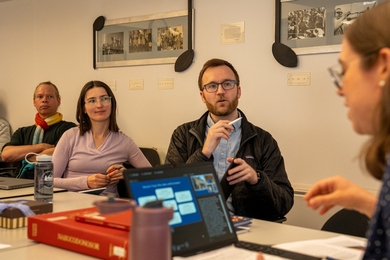
The inaugural meeting of MIT Generator drew close to 100 MIT students from dozens of departments who gathered Nov. 14 to brainstorm and find ways to address issues of energy and the environment on campus.
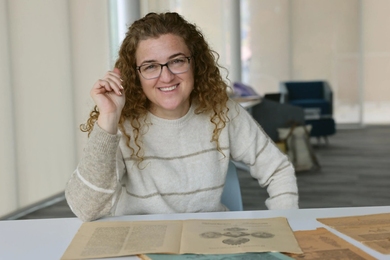
Comprised of several environmental student groups and many individuals who are dedicated to increasing sustainability on campus, the MIT Generator represents an attempt "to find some semblance of one student voice," said graduate student Elsa Olivetti of materials science and engineering, one of the coordinators of the group.
The idea for the MIT Generator came just after MIT President Susan Hockfield's September letter to the community detailing the planned construction of new buildings for the Media Lab, the Sloan School and the Center for Cancer Research.
To the organizers, it seemed like an opportune time to open a discussion on green building. "There was an appetite in the student body to do something about campus sustainability," Olivetti said.
The name was part of the vision, said one of the event organizers, urban studies and planning graduate student Beaudry Kock. "It was about sharing ideas, seeing the Institute as a whole as a generator."
The first meeting--"Walking the Talk"--was exciting, Olivetti said. A three-hour session, the event featured speakers, including event leader and Sloan student Jason Jay and junior Anna Jaffe, chair of the Undergraduate Association Campus Sustainability Committee.
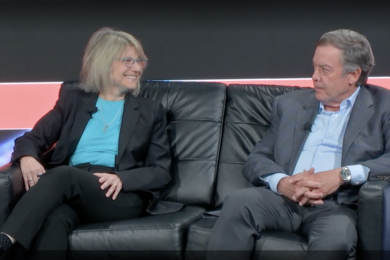
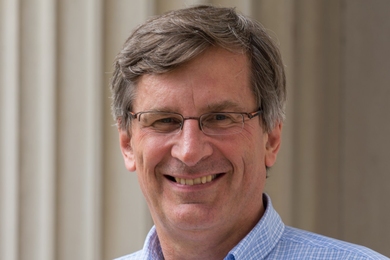
Steven Lanou, deputy director of the Environmental Programs Office's sustainability program, and Peter Cooper from the Department of Facilities discussed MIT's current greenhouse gas emissions and offered suggestions for reducing them.
After the talks, the large group split into smaller working groups with several themes. "It was all very practical," said Kock. "But some of the groups were really about the big picture."
The working groups focused on campus vision, energy audits and assessment, conservation efforts and transportation. At the end of the evening, all of the groups reconvened and reported on their discussions. "I was impressed by the level of interest and the staying power our discussion held," said Olivetti, who was surprised to see the evening stretch until close to 10 p.m. "It just shows the level of interest."
Several of the working groups have met again since the Nov. 14 event and they plan to continue their work together. "Students need to find ways to make this work applicable to what they are studying in school," said Olivetti. "That will make it more sustainable over time."
The organizers hope that the MIT Generator will become an annual event that will continue to draw more interest and new faces. In February, a second event that the group is calling "Re-Generator" will convene. "Our role is to keep momentum going," Olivetti said.
For more information, please go to sustainability.mit.edu/Generator.
A version of this article appeared in MIT Tech Talk on December 13, 2006 (download PDF).